
Radio Cadena Agramonte emisiora de Camagüey





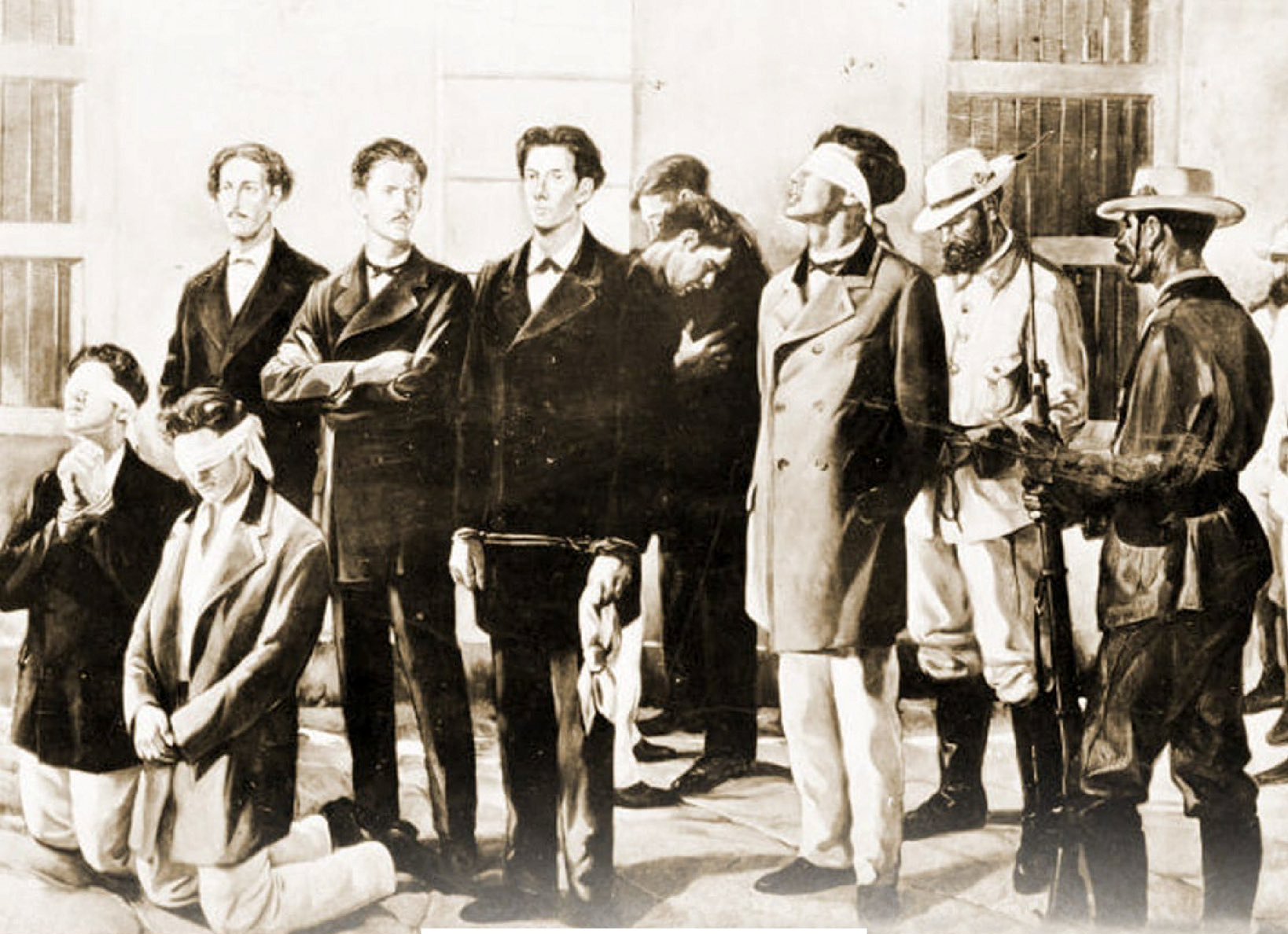
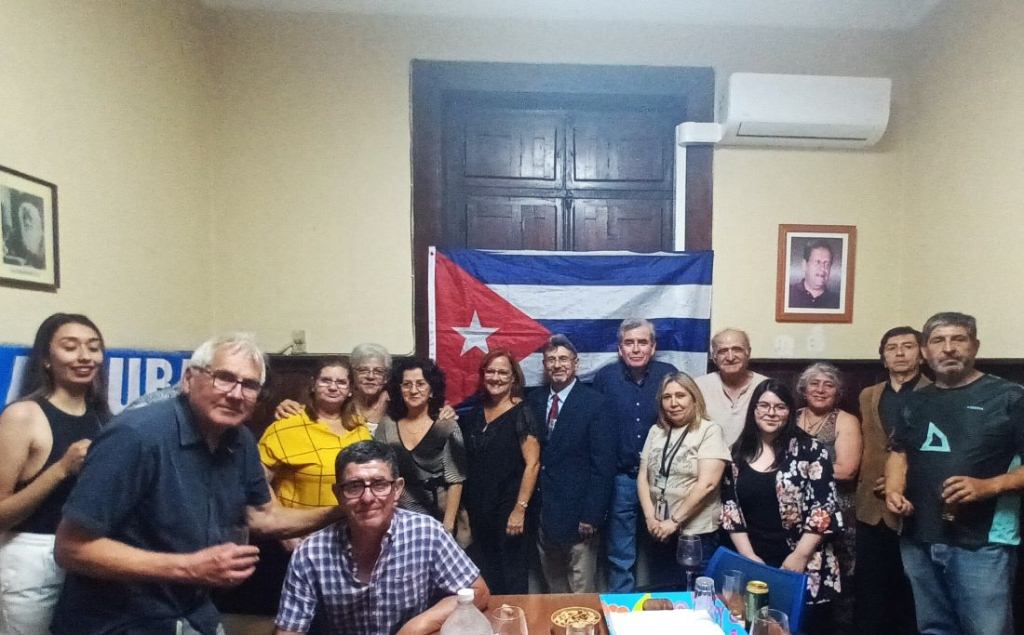
Havana, Nov 27.- The first secretary of the Central Committee of the Communist Party of Cuba and president of the Republic, Miguel Díaz-Canel Bermúdez, meant that the medical students murdered by the hatred of the volunteers of the Spanish colonial regime in 1871 would never They will be forgotten, on the occasion of today's 152nd anniversary of that event.
“ Not even a century and a half of time has been able to reduce the vileness of crime, nor lessen the pain of the Homeland for the execution of eight innocent people,” the president stressed on his account on X (formerly Twitter).
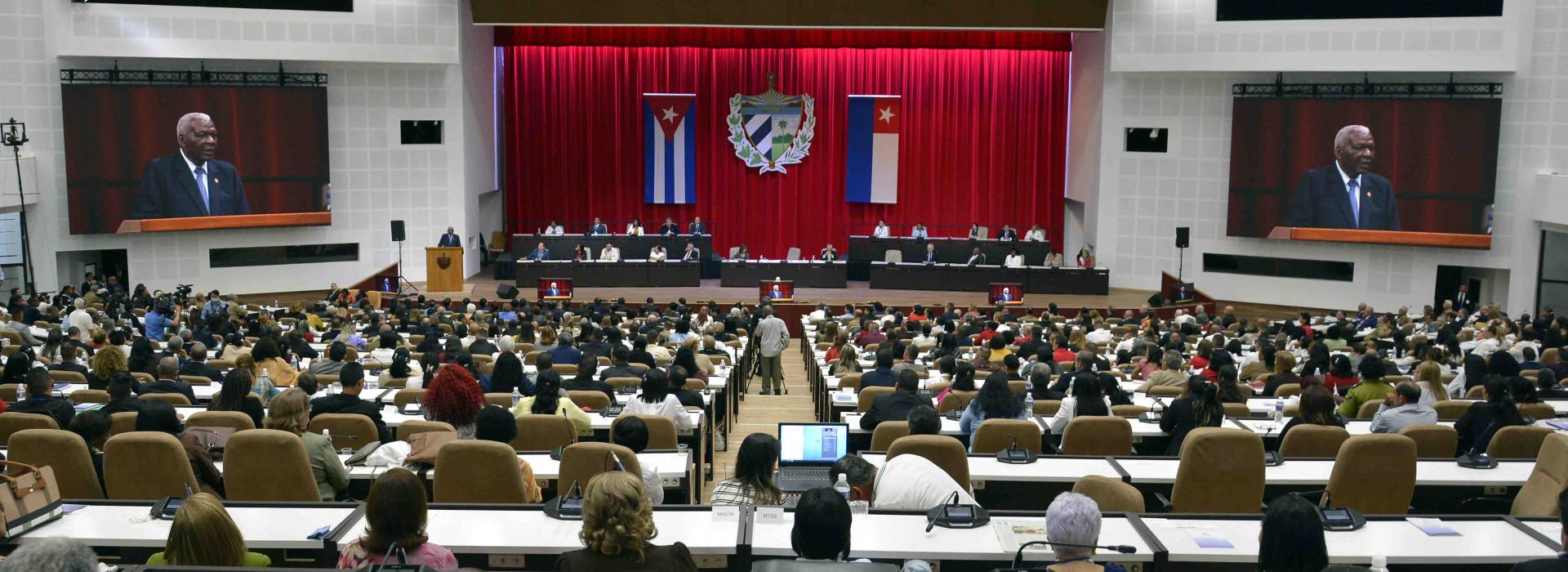
Likewise, the president of the National Assembly of People's Power of Cuba (Parliament), Esteban Lazo Hernández, described the young people as innocent and recalled the phrase of the island's National Hero, José Martí, when writing: “When one dies in the arms From the grateful homeland, death ends, the prison is broken; “Life begins, at last, with dying!”
The events began on November 24, 1871 when a group of students toured the Espada cemetery in the Cuban colonial capital, some played with the cart that carried corpses and one took a rose from the cemetery.
A denunciation by the guard, mortified by the “damage” to his garden, falsely accused the boys of having desecrated the grave of journalist Gonzalo Castañón, preacher of the extermination of the Cubans and the repopulation of the island with Spaniards.
Historical investigations confirmed not only the falsehood of the accusation and the well-known innocence implicit in the acts of those teenagers, but also the injustices that occurred for the 45 imprisoned.
After a first court martial, which concluded without reasons to blame them, some were released and others received minor sanctions, but Spain's impotence and thirst for political revenge for the military defeats against the independence troops in the fields of Cuba was evident.
Then, the Spanish Volunteer Corps pressed for a second oral hearing with another court that sentenced five of the imprisoned young people and three others chosen at random to the maximum sentence.
Subsequent investigations would show that one of these last unfortunate people was not even in Havana on the day of the events.
The summary execution of the future Cuban doctors aroused rejection inside and outside the island and from the Spanish ranks, captains Nicolás Estévanez and Federico Capdevila, the public defender of the young accused, resigned from their positions. (PL) (Photo: @DiazCanelB)