
Radio Cadena Agramonte emisiora de Camagüey





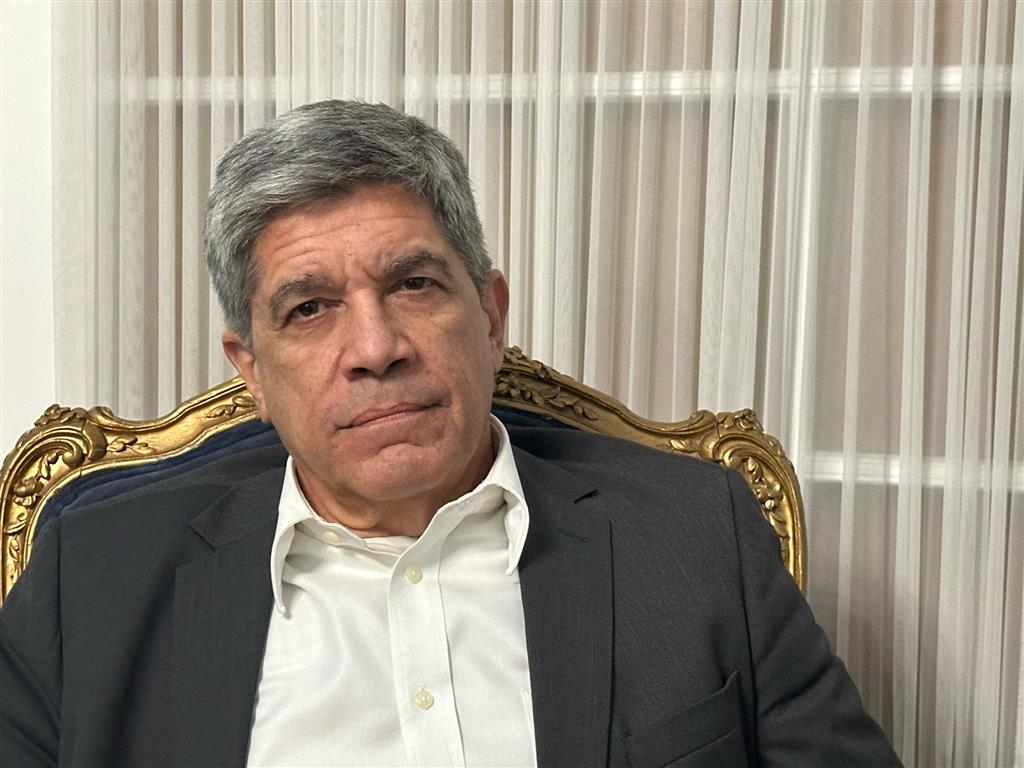
Washington, Mar 3rd. - Cuba Deputy Foreign Affairs Minister Carlos Fernández de Cossío stated that the stated policy of the foreign policy of the current U.S. government is aggressive.
They themselves have said that the purpose they have is to continue to put economic pressure on Cuba, to continue to create difficulties for the Cuban economy and thus cause greater tightening, greater problems for the well-being of Cubans, for living conditions in the country," warned the vice-chancellor in an interview given to Prensa Latina.
They have declared it and threatened to take additional measures, some say they are unprecedented, the diplomat added.
It remains to be seen exactly what they are going to do, but one should not be astonished that they have the will and ability to continue punishing the Cuban population as a whole on the basis of coercive economic measures, aimed at closing Cuba's sources of financing, market access, access to technology, he argued.
It is something, he warned, "that it is naturally in violation of international law, in violation of the UN charter, are aggressive acts that just condemn the United Nations system.
He explained that "by the statements of the foreign policy apparatus of the United States regarding Cuba it is difficult to think that in the short term there could be an improvement," but recalled that Cuba has gone through periods like this in the past and this possibility cannot be ruled out.
However, there would have to be a change of attitude on the part of the United States Government, he said, insisting that on the part of Cuba we have been consistent throughout the history of the Revolution.
The Deputy Minister of Foreign Affairs reiterated that we are willing to maintain a respectful, constructive relationship with the United States that is beneficial to both countries.
Naturally - he emphasized - always respecting the sovereign rights of each party and we very firmly defending Cuba's sovereign rights.
We are sure - the vice-chancellor concluded - that if a relationship is built, this would be beneficial for both countries and that the differences we have can be dealt with in a respectful manner, in a civilized way and through dialogue as Cuba does with all the countries of the world in what the United States is the exception.
As soon as he returned to the White House on January 20, President Donald Trump returned Cuba to the unilateral list of states sponsoring terrorism and reversed other measures that his Democratic predecessor Joe Biden had taken in the sunset of his term. (Text and photo: PL)