
Radio Cadena Agramonte emisiora de Camagüey





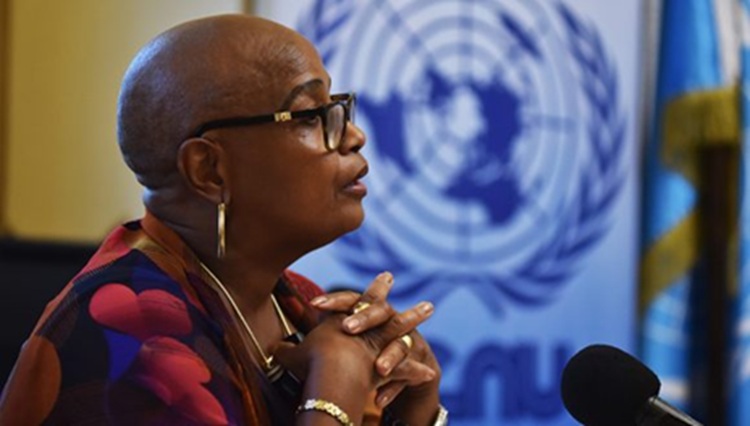
United Nations, Jan 17. - The excessive and illegal use of lethal force by the security forces of the United States of America, both extraterritorially—including on the high seas and in Venezuela—and domestically in law enforcement operations, particularly those related to the enforcement of immigration laws, is deeply concerning, said a UN expert.
“Public statements by state officials indicating a ‘shoot-to-kill’ stance risk lowering the threshold for the use of lethal force,” stated Morris Tidball-Binz, Special Rapporteur on extrajudicial, summary, or arbitrary executions. “There are no exceptions to the absolute and universal prohibition of arbitrary deprivation of life.”
“International law does not permit States to kill based on labels, perceptions of someone’s appearance, or allegations of wrongdoing,” Tidball-Binz affirmed. “Whether at sea, abroad, or at home, the use of lethal force must be strictly limited by the principles of legality, necessity, proportionality, and precaution, and may only be employed as a last resort to protect life.”
Alarmed by the lethal attacks against small vessels in international waters by the United States in the context of a so-called "war on narcoterrorism," which have unlawfully killed dozens of people since September, Tidball-Binz said he was particularly concerned by indications that some vessels may have been intercepted but were destroyed, including double-tap strikes that killed survivors.
“When there is no armed conflict or basis in international law for the use of military force, States must resort to law enforcement measures that are consistent with international legal obligations, including human rights and the requirements of maritime law,” the expert stated. “The deliberate use of lethal force against individuals who do not pose an imminent threat to life is illegal and violates the United States’ fundamental obligations under international law and its own domestic law.”
Expressing deep concern over the numerous deaths caused by large-scale U.S. military action in Venezuela in early January, Tidball-Binz recalled that UN experts have emphasized that the unprovoked use of armed force in the sovereign territory of another State constitutes a violation of Article 2(4) of the UN Charter. It could also constitute the international crime of aggression attributable to the political and military leaders involved.
“Deaths resulting from such an act of aggression are arbitrary by definition,” warned the Special Rapporteur.
“Accountability for human rights violations cannot be achieved through unilateral military intervention that violates the United Nations Charter,” he affirmed. “Respect for the right to life is inseparable from respect for international law, including the prohibition on the use of force.”
He also expressed profound concern over the fatal shooting of a woman in Minneapolis on January 7, 2026, during an operation involving federal immigration agents, and emphasized that any death related to law enforcement must be subject to a prompt, thorough, independent, impartial, and transparent investigation, and that those responsible be held accountable. Tidball-Binz urged all relevant authorities to cooperate fully to ensure an effective investigation.
“States must ensure a legal and operational framework on the use of force consistent with the UN Basic Principles on the Use of Force and Firearms by Law Enforcement Officials,” he stated.
“When potentially unlawful deaths occur, investigations must comply with the Minnesota Protocol [LINK], and the families of victims must have access to truth, justice, and reparations,” the expert said.
Tidball-Binz referred to his report to the General Assembly addressing unlawful killings by law enforcement officials and establishing practical measures to prevent loss of life and overcome recurring obstacles to accountability, even in high-risk operational contexts.
He urged the United States to urgently review the relevant laws, policies, rules of engagement, operational directives, and oversight mechanisms governing the use of lethal force domestically and extraterritorially; to clarify the legal bases and safeguards applicable to maritime and extraterritorial operations; and to ensure credible, independent, and transparent investigations into all allegations of unlawful killings.
“The right to life is non-derogable and non-negotiable,” he affirmed. “States must never normalize a ‘shoot-to-kill’ approach that erodes the strict and absolute limits that international law places on the use of lethal force.”
The Special Rapporteur is available to engage in dialogue with the Government of the United States on these concerns. (Text and Photo: Cubadebate)