

Radio Cadena Agramonte emisiora de Camagüey





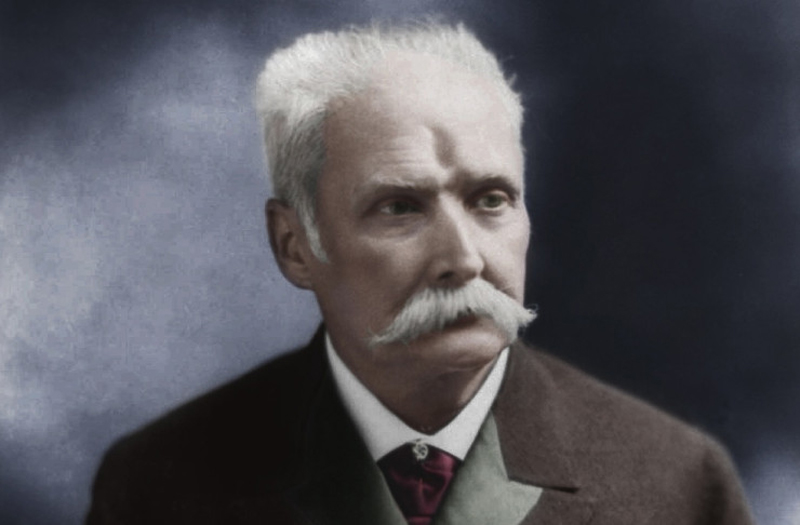
On December 11, 1898, Calixto García Íñiguez, Major General of the Liberation Army and combatant in all three of Cuba's wars of independence, died of fulminant pneumonia while fulfilling his duty in Washington, D.C., where he was advocating for the rights of the members of that force.
Every December 10th, the world celebrates Human Rights Day. And many countries once again ask themselves how many rights have been won for the true happiness of their people, and how many are still being crushed by wars, lies, manipulation, rhetoric, and even laws that contradict the Universal Declaration, proclaimed in 1948 by the United Nations General Assembly.
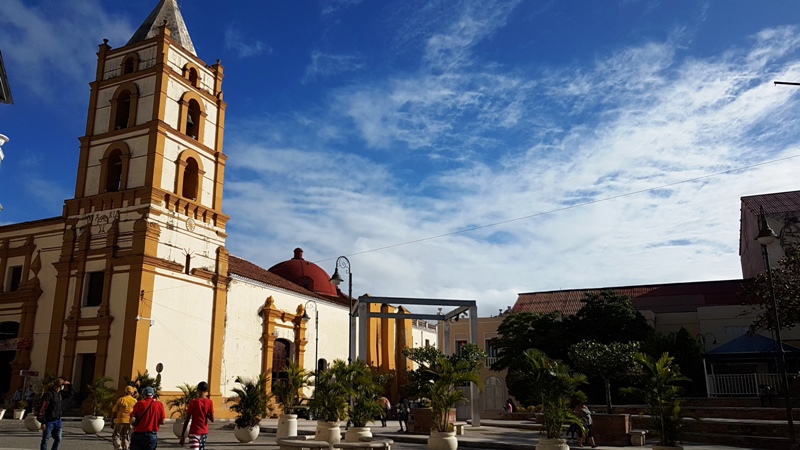
The city of Camagüey, long recognized as one of the cleanest and most beautiful cities in the country, now faces an alarming challenge: the proliferation of dumps in various strategic locations. These accumulations of waste not only pose a risk to the health of its inhabitants but also detract from the environment we all wish to preserve.
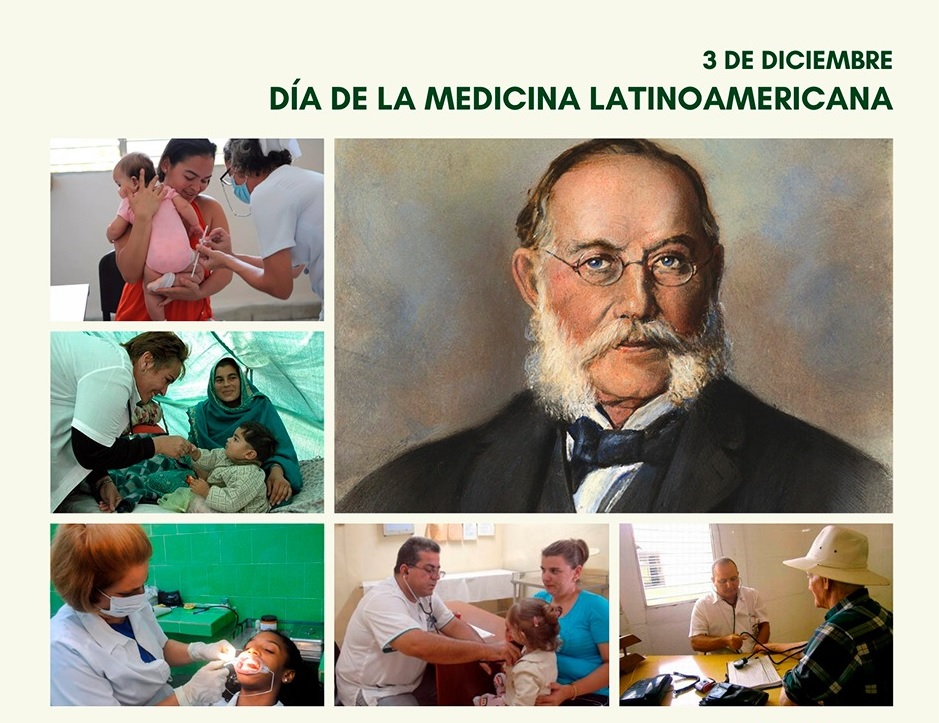
Every December 3rd is a day that resonates with gratitude and recognition, as Latin American Medicine Day is commemorated, a date that coincides with the birth of one of Cuba's greatest wise men: Carlos J. Finlay y Barrés. Born in Camagüey in 1833, this visionary physician discovered the transmitting agent of yellow fever, a discovery that not only transformed medicine but also saved countless lives.
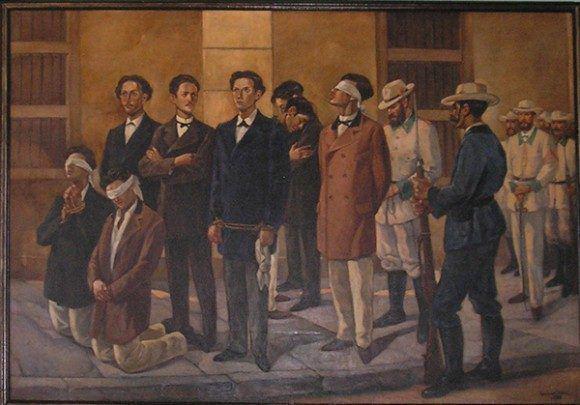
On a somber day marked by injustice, Cuban history remembers with sorrow the execution of eight brave medical students who, on November 27, 1871, became victims of a cruel and false accusation.
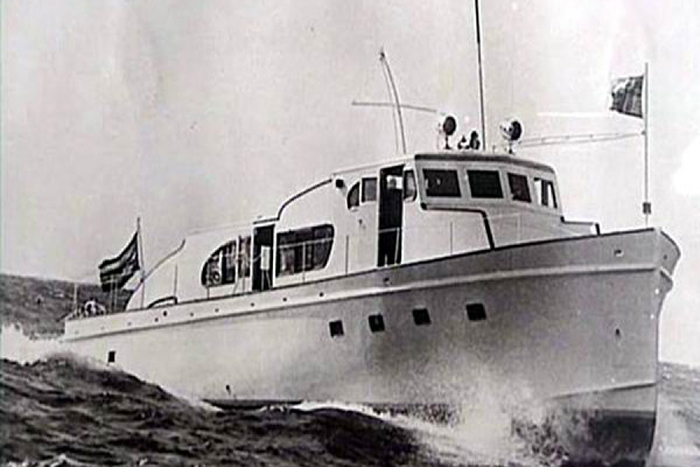
In the early hours of November 25, 1956, and under the rain, the yacht Granma began its voyage from Tuxpan, Mexico, towards the eastern coasts of Cuba, with 82 expeditionaries under the command of Fidel Castro, determined to resume the struggle for the definitive independence of the Caribbean country.
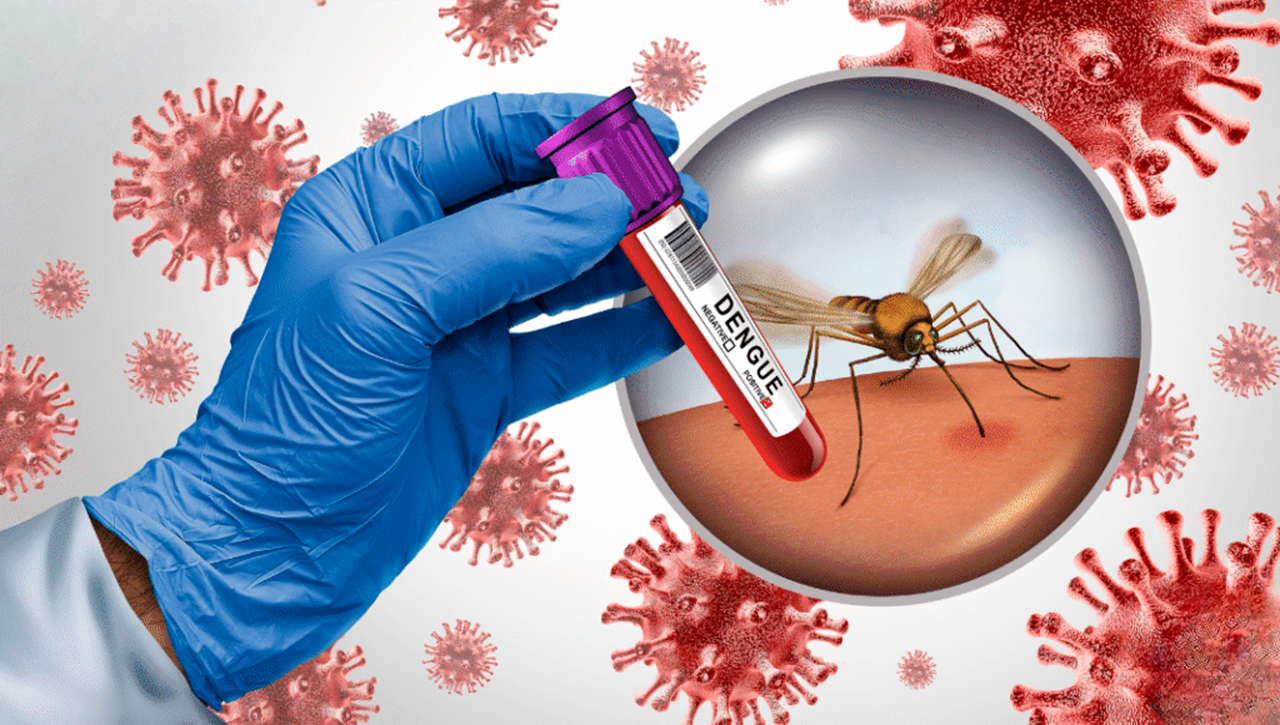
The danger posed by dengue and chikungunya today is a threat that should not be taken lightly. The changing nature of the dengue virus, which can now infect those who have been affected before and, in some cases, host multiple illnesses simultaneously, makes the situation more complex and dangerous.
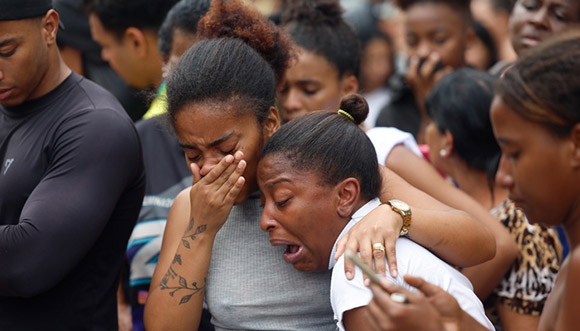
In Rio de Janeiro, the police entered the favela as one enters enemy territory. What followed was not a security operation: it was a massacre. More than 130 people killed, most of them young Black people, executed with the same impunity with which, for centuries, Black blood has been spilled in the name of order.

We have always believed that the leaders of both the Soviet era and present-day Russia have, in one way or another, avoided the outbreak of World War III, in which we would all lose.
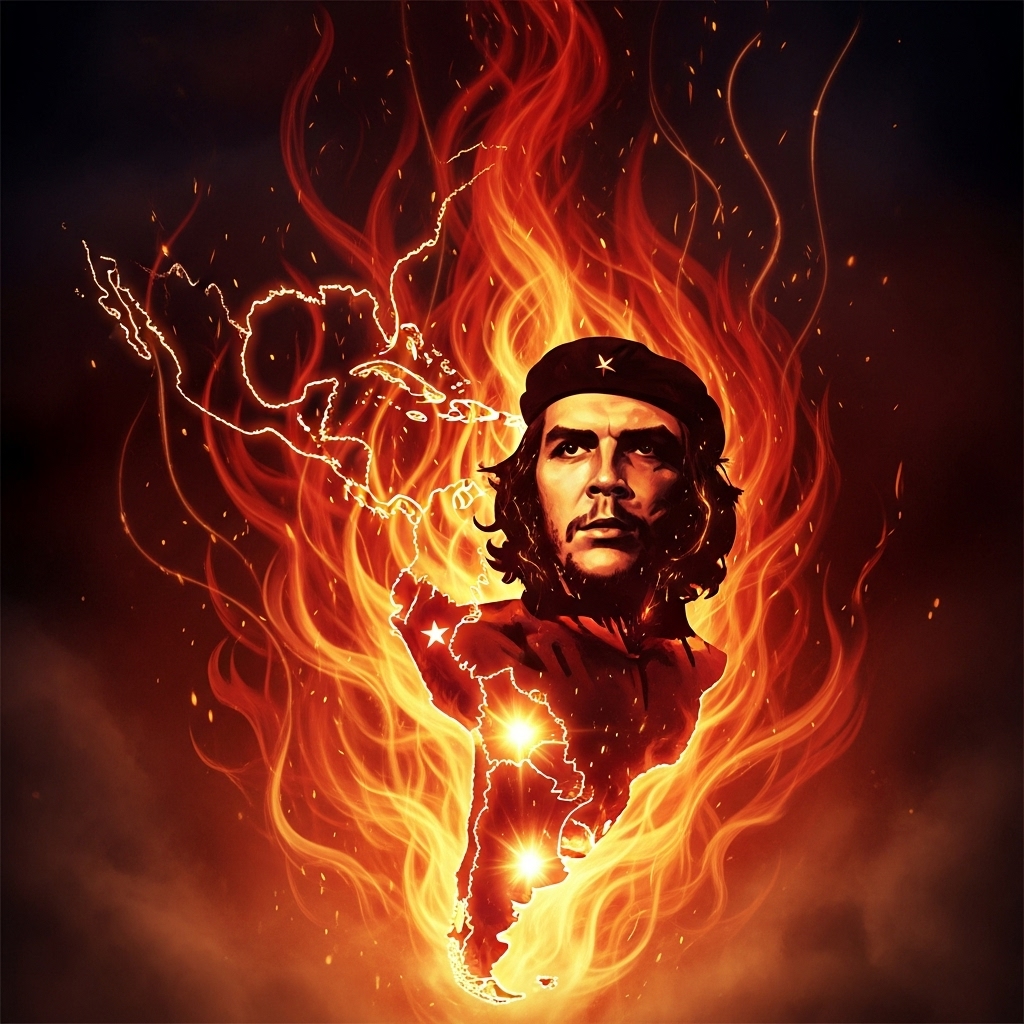
They called it “The Powerful II” the old steel horse that carried Ernesto “Che” Guevara, and his faithful squire Alberto Granados, from the Andes to the Amazon. They weren't looking for giants, but rather forgotten villages where poverty and social injustice flourished.

Drugs are a scourge that affects millions of people and causes human losses worldwide. In recent years, the use of chemical substances has increased in our country, raising alarm bells among public health authorities, led by the Ministry of Public Health (MINSAP).
"On the night of September 21, 1989, the Party leadership in Camagüey received news that the next day, Fidel Castro would travel to Cayo Cruz. This information was etched in the memory of Manuel Chaos Piedra, a former member of the Provincial Party Bureau, who reflected on the impact that visit would have on the future of international tourism in the region. 'As if I were a seer,' Chaos commented while recalling that historic moment that would mark the tourism development of the area.