Radio Cadena Agramonte emisiora de Camagüey





Havana, Feb 26.- A characteristic that distinguished the Cuban revolutionary process from its founding days in 1959 was the concern and interest in creating policies aimed at the well-being and health of the people, an endeavor in which Commander-in-Chief Fidel Castro invested all his efforts to guarantee a healthy and happy childhood.
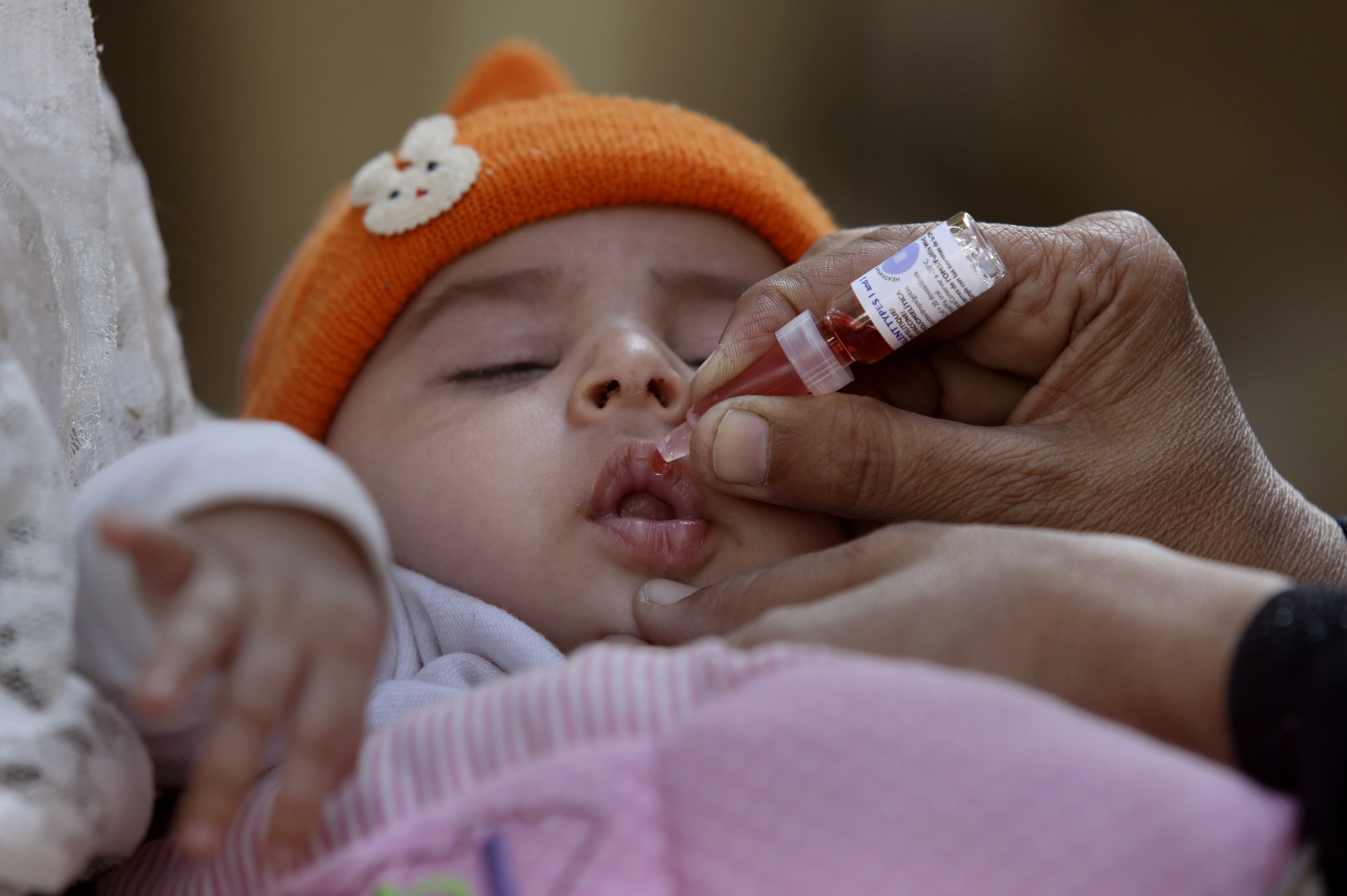
Inscribed within this effort is the first National Anti-Polio Vaccination Campaign, which began on February 26, 1962. It was a demonstration of the decision to preserve the people's health with practical and effective solutions, valued by citizens for providing security for the future lives of their sons and daughters.
From that crusade against the disease to the current combined vaccines, the country's population is today one of the most protected against multiple pathologies. Cuba can show this with healthy pride every day, and especially every October 24th, when World Polio Day is celebrated.
Until the triumph of the Revolution on January 1st, this disease was endemic. It left around 300 children paralyzed each year, despite the American continent being the first to achieve its elimination. Cuba had the merit of being the first territory in the region to do so as well.
The exclusion of this serious illness from the national context, starting with the first immunization campaign, is considered the most relevant result of revolutionary Public Health in the field of prevention.
In 1995, Cuba received Certification of Polio Eradication from the Pan American Health Organization (PAHO), when the then PAHO Assistant Director, Mirta Roses Periago, recognized the decisive combination of scientific-technological resources, political will and the conception of the State, popular participation, the ethical social model of development, international solidarity, and technical cooperation.
And she added: "Thus was born the First National Vaccination Campaign. Its conception, its ideology, its instruments, and its methodology shook the world."
Another favorable opinion was offered by UNICEF in Havana at that time, which, referring to this result, pointed out: "It is, therefore, a very sustained effort, never abandoned, and which, in a way that is even difficult for some to understand, has been consolidated precisely in times of greatest difficulty and severe economic restrictions."
For the development of the campaign, some 100,000 members of the Committees for the Defense of the Revolution (CDR) were mobilized, with the purpose of conducting a census of the population to be vaccinated. The scope of action included infants from one month old to 14 years of age.
At that time, the family doctor and nurse program did not exist, so the participation of the CDRs was key. They provided their premises for vaccination; they guaranteed success with the support of the Federation of Cuban Women, which worked with mothers and children; while in rural areas, the National Association of Small Farmers collaborated. Media coverage, which mobilized and informed the entire population, was also present.
The general objective of this first campaign was to control the incidence of the disease, and its specific objective was to immunize 2,567,803 children under 15 years of age—35 percent of the country's total population—with two doses of anti-polio vaccine (AP). At that time, 2,216,022 were immunized, achieving a coverage rate of 86.2 percent.
Several countries participated in that first battle against poliomyelitis in Cuba, including the Soviet Union, which provided the necessary vaccine doses, as well as technical aid from Czechoslovakia through Dr. Karen Sacek and the Virology Laboratories of the Institute of Epidemiology and Microbiology in Prague, where the initial serological studies were carried out.
The elimination of polio, along with that of smallpox and yellow fever more than half a century earlier, was an achievement at low cost with notable social repercussions and high humanistic, health, political, economic, and social value, as it eradicated the human drama of death and disability affecting hundreds of cases each year.
Cuban Minister of Public Health, Dr. José Ángel Portal Miranda, emphasized that the impact of that initial campaign was exceptional, as the disease was eliminated in just four months. It also propelled the process of eradicating the disease in the Americas region, where Cuba became the first country in Latin America to be declared polio-free.
That operation against the illness affecting children marked the start of a long and fruitful path towards transforming morbidity and mortality patterns, reducing the number of sick and deceased from preventable diseases, and improving the health indicators of the people.
Alongside the battle against this ancient pathology, the National Immunization Program (PNI) was born. It became an early commitment to preventive medicine, and its free nature, universal access, integration into primary healthcare, and active community participation have today made it possible to achieve vaccination coverage rates exceeding 98% nationwide, ensuring a high immune level in the population.
After the revolutionary triumph, Cuba occupied a vanguard position in vaccinating its population for protection, thanks to the creative efforts of its scientists. This was seen during the COVID-19 pandemic with the creation of life-saving vaccines that immunized our people and helped other brothers and sisters around the world. (ACN) (Photo: Taken from Internet)