
Radio Cadena Agramonte emisiora de Camagüey






Havana, Feb 26.- Amid the complexities aggravated by the aggressive escalation of the United States' siege policy towards Cuba, Health constitutes one of the particularly affected sectors, and cardiology is sensitively impacted.
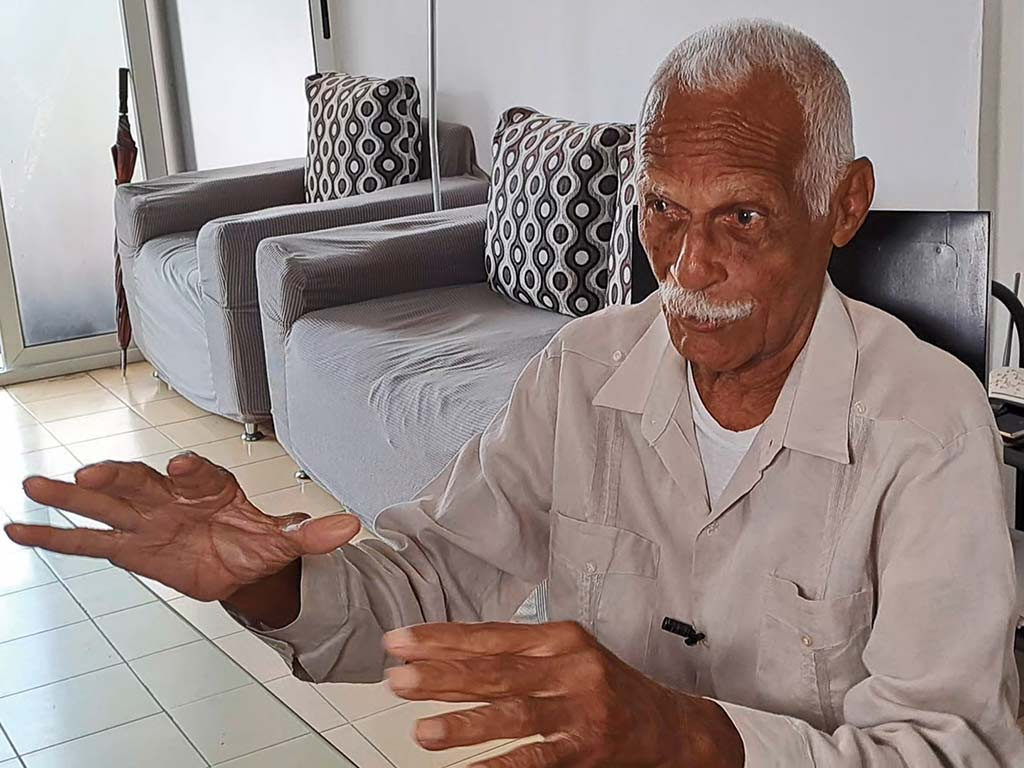
This is confirmed by Dr. Eduardo Rivas Estany, president of the Cuban Society of Cardiology, who stated to the Cuban News Agency that this tightened blockade results in many resource limitations, which directly affects medical care, particularly the care of patients with cardiovascular diseases, which continues to be the leading cause of death in Cuba for more than five decades.
He explained that, despite efforts to reverse this trend, it has not been possible to reduce the impact on patients, which greatly affects the population's health profile.
Regarding this issue, he pointed out that instead of decreasing mortality in recent years, which is what the National Health System aims for, the morbidity rate of patients with cardiac conditions has probably increased due to various causes, but with a marked incidence of the tensions imposed by the blockade on the acquisition of necessary equipment and treatments for the care of these conditions.
He emphasized that in this particular area, treatments are largely sophisticated, expensive, with techniques and procedures constantly updated and changing practically from one year to the next, and many technologies have a large percentage of North American components, and sometimes, even if manufactured by European conglomerates, they have a portion of shares and budgets from US companies, and that already greatly limits the acquisition of these, including spare parts.
He exemplified that these conditions are keenly felt in surgery, which is minimized, since often interventional cardiology care is made impossible by the lack of some input impossible to acquire, the well-known angioplasties with or without stents, diagnostics, pacemakers, regardless of some being obtained through donation, they remain a very costly and very limited technology due to the aforementioned problems.
Nevertheless, he highlighted, that cardiology specialists have always maintained, and now more than ever reinforced by the delicate current context, a front-line attitude to continue working and to keep providing their services despite the daily limitations they face.
In our case, cardiologists and related professionals have been willing and are doing so, going to their posts however they can: walking, by bicycle, as they are able; to fulfill their care duties and not only care duties, but also teaching; academic, training and research activities, so that, despite this blockade, they maintain as normal an activity as possible in the cardiovascular sphere, he concluded. (ACN) (Photo: Taken from Internet)