
Radio Cadena Agramonte emisiora de Camagüey





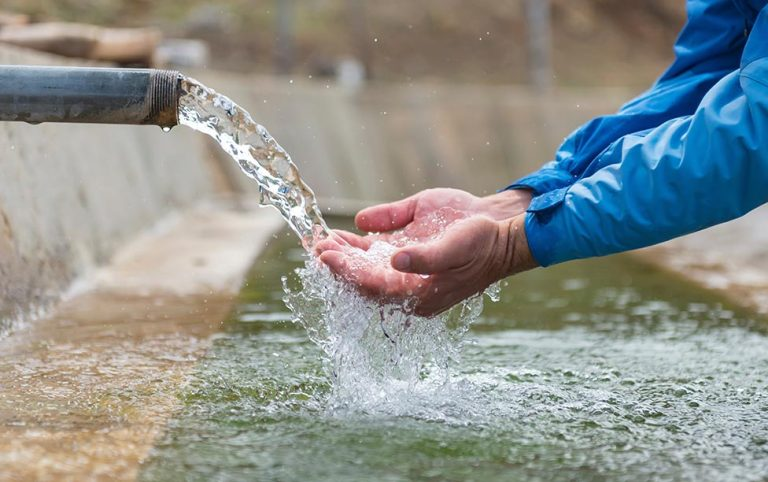
Havana, Dec. 4 - The gradual decline in water availability in several areas of Cuba due to rainfall patterns and rising average temperatures could worsen in the medium term if expert predictions are met.
Phenomena of this type are among the main impacts of climate change on the sector, reported the Ministry of Science, Technology and Environment (Citma, for its acronym in Spanish) on its official website during a meeting with officials from the National Institute of Water Resources and others.
It also listed changes in the operation regime of reservoirs and impacts on the use of unregulated water, effects on groundwater reserves and their quality due to increased seawater intrusion, and even a higher intensity of drought processes, an increase in supply sources with habitual insufficiency, and a greater effect of flooding caused by the occurrence of more extreme rainfall events.
Consequently, it mentioned the institution's strategy to counteract its impact, incorporated into its National Hydraulic Plan 2022–2030, which, in terms of mitigation, promotes the introduction of renewable energy sources in low-power pumping stations, actions to reduce losses in conduits and water supply networks, as well as inside homes and facilities.
Regarding adaptation, Citma continued in its report, they are working to reduce water losses through efficient use, the recovery and protection of water quality (from pollutants and seawater intrusion), the search for new supply sources (dams, intakes, and unconventional sources), and in the floods control program.
It recalled that among the investments from 2015 to 2025 were the rehabilitation of water supply systems, wastewater evacuation and treatment, urban stormwater drainage, storage and transfers (construction and rehabilitation of dams, canals, tunnels, works to control floods, and aquifer recharge projects), and the installation of desalination plants. (ACN) (Photo: Taken from the Internet)