
Radio Cadena Agramonte emisiora de Camagüey





Havana, Mar 9.- Havana, as the main gateway to Cuba, remains an unbeatable attraction today for those arriving on vacation for the first time.
This opinion is supported by tour guides and officials from the Ministry of Tourism (Mintur, by its acronym in Spanish), who provide reassurance to many people who decide to face the island's economic difficulties and come to see what it's like, or simply to enjoy its sun and beaches.
One of today's attractions for traveling to Cuba is highlighted in the architecture and the oldest houses, especially in Havana, the island's capital.
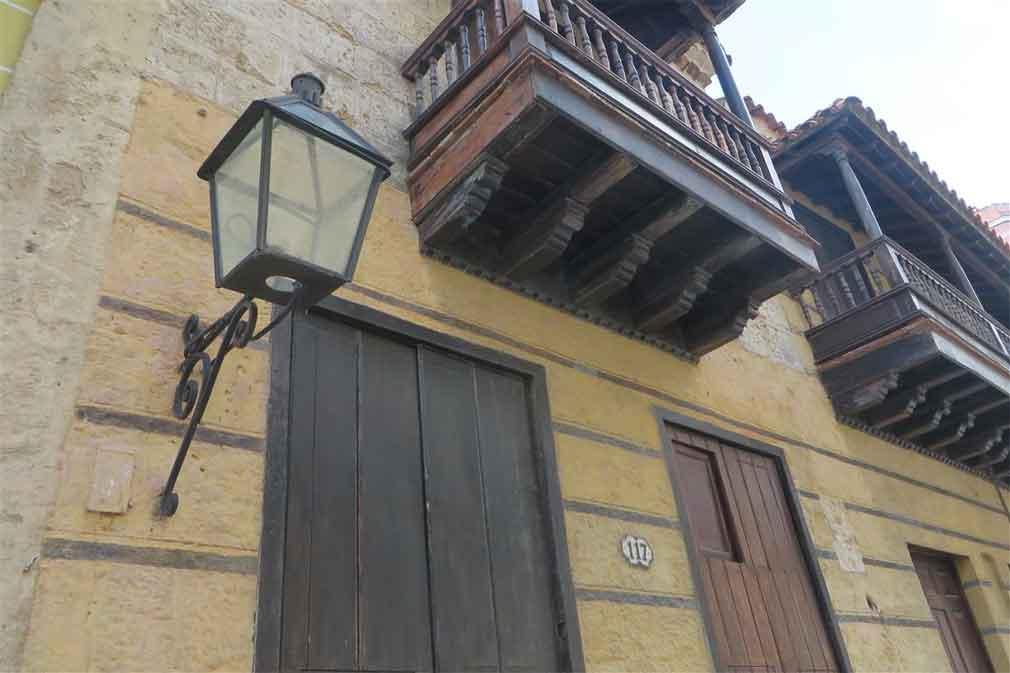
Havana cannot be explained solely by its beaches or its music; its deepest essence resides in its stones, in the facades weathered by sea salt, and in the stately interiors that whisper stories of captains, counts, and landowners.
Declared a World Heritage Site by the United Nations Educational, Scientific and Cultural Organization (UNESCO) in 1982, Old Havana is an authentic open-air museum where every centuries-old house is a unique piece.
Venturing into its streets is like taking a trip back in time through colonial architecture, a journey that captivates travelers from all over the world.
The beating heart of this legacy is found in its squares, true period-piece salons around which the most emblematic mansions are grouped.
Guides describe it, for example, Plaza de Armas, the oldest square in the city, the Palace of the Captains General, a jewel of 18th-century colonial baroque that today houses the City Museum, or the Palace of the Counts of Santovenia.
The architecture is mentioned, with the typical arcades of the surrounding buildings, and impressive Mudejar coffered ceilings, as many of them offer a living lesson in what domestic life was like for the Havana aristocracy of the 18th and 19th centuries.
Therefore, walking through Old Havana is a constant dialogue with the past. Each solid wooden gate, each stained-glass window, each marble column tells a part of the island's history, and this is always captivating. (Text and photo: PL)