
Radio Cadena Agramonte emisiora de Camagüey





Havana, December 8 – In the 1970s, the Cuban Revolution had become a symbol of resistance and self-determination for many nations in the region, which sought to counter the influence of the United States.
This atmosphere of searching for identity allowed the Caribbean states to see the island not only as a neighbor, but also as a potential ally in their struggle for economic and political independence.
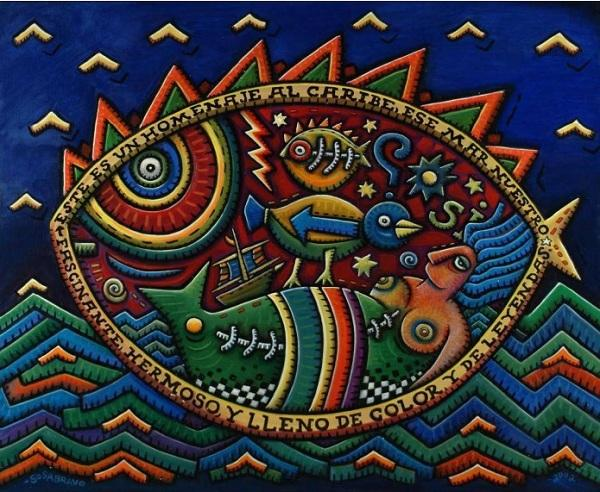
With this certainty, on December 8, 1972, the four English-speaking Caribbean countries – Barbados, Guyana, Jamaica, and Trinidad and Tobago – simultaneously established diplomatic relations with the largest of the Antilles.
Although the formal establishment of the Caribbean Community (CARICOM) and the signing of the Treaty of Chaguaramas took place in 1973, the exchanges and initiatives for regional integration and coordination that preceded and surrounded those founding events explain why the first contacts and commitments are commemorated on this date.
From its inception, this relationship has posed a challenge to Washington's isolationist policies toward the island. In those early days, for Cuba, CARICOM represented a path toward strengthening its position in the Caribbean, while member countries saw Havana as a model to follow in terms of education and health.
From its inception, this relationship has posed a challenge to Washington's isolationist policies toward the island. In those early days, for Cuba, CARICOM represented a path toward strengthening its position in the Caribbean, while member countries saw Havana as a model to follow in terms of education and health.
CARICOM, established at the beginning of the 1970s (consolidating Caribbean integration after previous processes), sought to assert its autonomy and diversify its external relations.
The convergence of interests facilitated the establishment of relations, which materialized on a date that both parties agreed to officially preserve.
Over time, the relationship was built on pillars of solidarity, cooperation, and a shared sense of the challenges they faced as Caribbean peoples, but it was not limited to diplomatic aspects; it expanded to areas crucial to achieving a more prosperous and sustainable future for the region.
The deployment of Cuban doctors to various CARICOM nations became a symbol of friendship. This humanitarian approach, with a tangible impact on the quality of life of many Caribbean communities, further strengthened the ties between Cuba and the countries of the region.
For more than 50 years of links, the Island provides medical services in member states, has also provided scholarships and medical assistance in natural disaster situations free of charge, as happened in Haiti, when a large number of doctors were deployed to combat the cholera epidemic in 2010.
Meanwhile, CARICOM's unwavering support has been consistent in all international forums against the economic, commercial, and financial blockade imposed by the United States on the Caribbean nation, as well as its exclusion from the list of alleged state sponsors of terrorism. (Text and photo: Granma Digital)