
Radio Cadena Agramonte emisiora de Camagüey





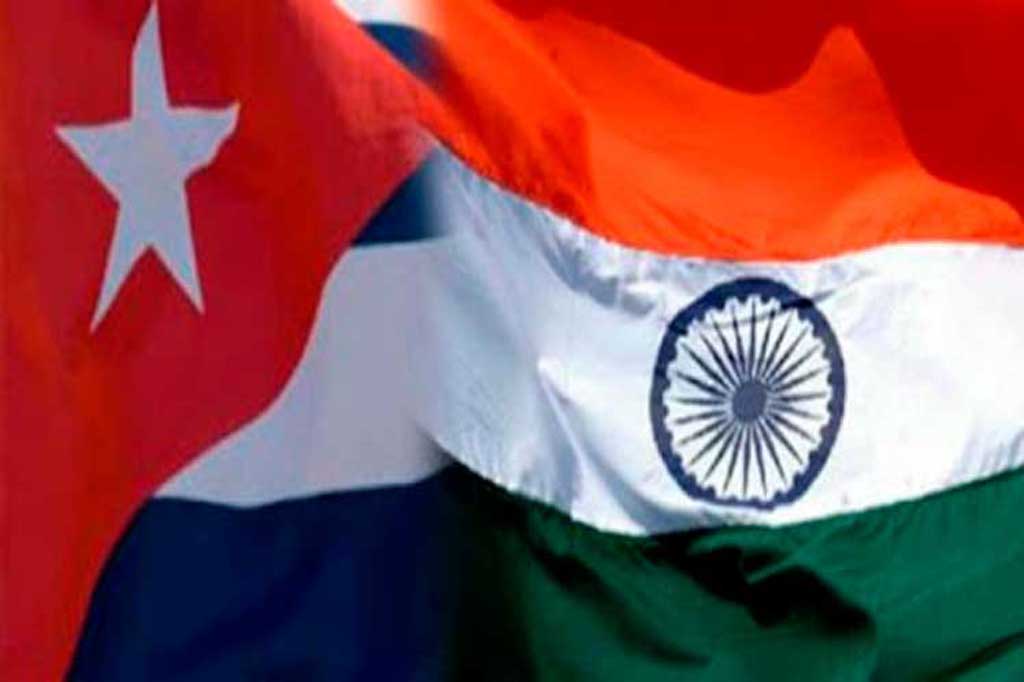
New Delhi, Dec. 19. - India and Cuba strengthened their cooperation in the field of Ayurveda on the occasion of the World Health Organization (WHO) Global Summit on Traditional Medicine concluding here today.
Representatives from both countries signed a memorandum of understanding to strengthen collaboration in Ayurveda through a Joint Working Group led by the All India Ayurveda Institute (AIIA). The aim is to promote collaboration in curriculum development, integration into public health, Panchakarma training, and regulatory coherence in Ayurveda, according to authorities from the South Asian nation.
This step is linked to the South Asian country's efforts to continue global cooperation in traditional medicine, which has been promoted at the WHO member states meeting in Delhi through bilateral meetings with representatives from 16 nations.
Yesterday, the Summit entered a decisive phase with high-level deliberations on science, research investment, innovation, safety, regulation, and integration into the health system. These discussions reaffirmed the role of Traditional Medicine as a key contributor to an equitable, resilient, and people-centered global health ecosystem.
Under the theme "Restoring Balance: The Science and Practice of Health and Well-being," the sessions aligned closely with the recently adopted WHO Global Traditional Medicine Strategy 2025-2034, translating the strategic vision into implementable pathways for countries and communities.
Yesterday, the Summit entered a decisive phase with high-level deliberations on science, research investment, innovation, safety, regulation, and integration into the health system. These discussions reaffirmed the role of Traditional Medicine as a key contributor to an equitable, resilient, and people-centered global health ecosystem.
Under the theme "Restoring Balance: The Science and Practice of Health and Well-being," the sessions aligned closely with the recently adopted WHO Global Traditional Medicine Strategy 2025-2034, translating the strategic vision into implementable pathways for countries and communities.
The role of scientific research for the advancement of Traditional Medicine globally was also emphasized, along with the importance of sustained investment, innovation, methodological harmonization, and international collaboration.
The debates additionally addressed clinical trials of complete and multimodal systems, transdisciplinary preclinical designs, social science and implementation research, and indigenous decolonial methodologies, as well as ethical considerations, misinformation, and the translation of evidence into policies and practices, among other topics. (Text and photo: PL)