

Radio Cadena Agramonte emisiora de Camagüey





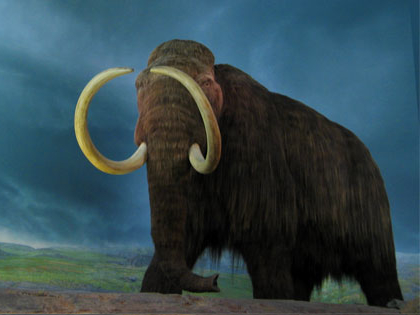
Scientists from Tomsk State University in Russia discovered record levels of a stable nitrogen isotope in the teeth of woolly mammoths from Siberia, the online magazine Nauka.mail recently reported.
These West Siberian mammoth teeth retain unusual chemical characteristics from the Ice Age, and their analysis revealed a chronic mineral deficiency that caused skeletal diseases even with a diet rich in vegetables.
The study was conducted on dentin, the dense tissue of teeth that is significantly better preserved than fossilized bones. The scientists studied 29 mammoth specimens, as well as dentin from ancient horses and reindeer.
The highest levels were recorded in Volchya Griva, in the Novosibirsk region, one of the largest mineral oases of the Late Pleistocene. High nitrogen levels are typical of animals with water and salt imbalances and chronic mineral deficiencies.
Mammoths regularly visited salt flats during these periods to replenish their calcium, sodium, and magnesium deficiencies.
More than 9,000 remains of at least 80 mammoths have been found at this site, although less than 5 percent of the area has been excavated. The remains date back to the Last Glacial Maximum, a period from 28,000 to 22,000 years ago, when massive mammoth burials accumulated on the southern plains of West Siberia.
Isotopic analysis allowed for the reconstruction of past environmental conditions: type of vegetation, climate, and feeding habits. The data did not support the theory that humans abandoned Siberia during the Ice Maximum due to extreme cold.
Stone tools were discovered in all the region's mammoth graveyards, indicating long-term coexistence between humans and mammoths.
Furthermore, more than half of the studied animals showed signs of serious skeletal diseases, such as osteoporosis, osteomalacia, and destruction of bone tissue.
This was due to a change in the chemical composition of plants: around 12,000 years ago, the arid steppes began to give way to more humid landscapes, lacking essential minerals.
The study supported the geochemical hypothesis of mammoth extinction. Global warming, increased humidity, and tectonic processes degraded the mineral composition of the landscapes in northern Eurasia.
As a result, large herbivores continued to receive sufficient food, but their bodies gradually deteriorated due to chronic mineral deficiency. (Source: Prensa Latina)