
Radio Cadena Agramonte emisiora de Camagüey





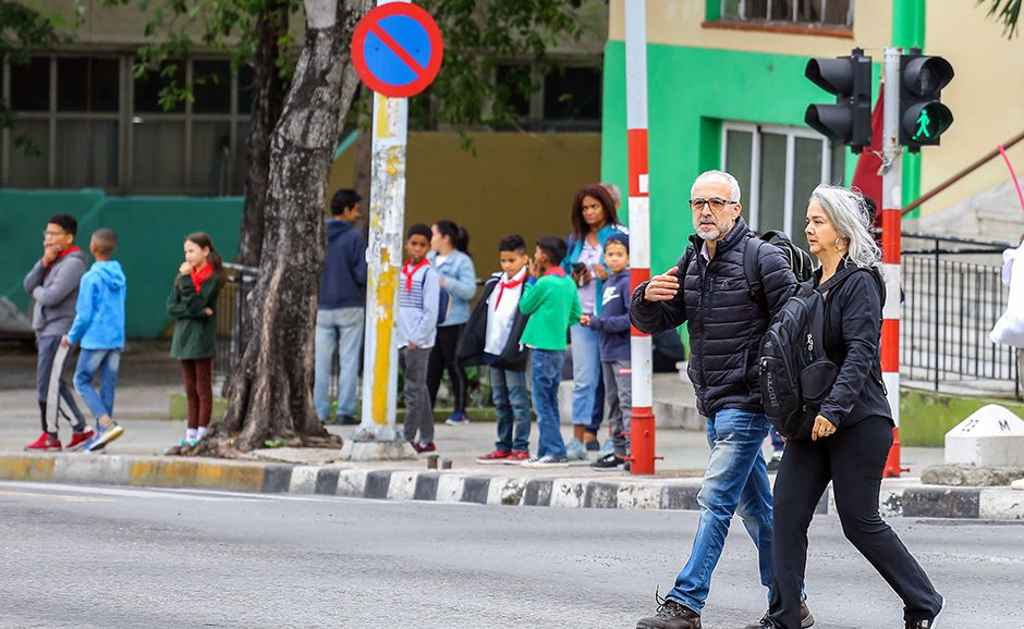
Havana, Jan 29. - Winter temperatures are occurring these days in Cuba, with minimums between 14 and 18 degrees Celsius; however, they could be lower next week with the arrival of another event that will set thermometers to single-digit values.
During this week and until next Tuesday, February 3, the Caribbean island will be exposed to a sustained winter period, with a strong drop in temperatures, explained meteorologist Ariel Maturell on his social media profile.
This is due to the incursion over the central and eastern portion of North America and the Gulf of Mexico of an "Extremely Cold" air mass that is currently over the area but will strengthen over the weekend with even colder air coming from Canada, detailed the specialist.
The specialist from the Institute of Meteorology explained that it is even expected that states in the southern United States, the Yucatan Peninsula, and Cuba will experience one of the most intense cold spells of recent years, with abnormally low temperatures for latitudes as low as Florida and Cuba, he warned.
He recalled that in Cuba, thermometers normally do not drop much below 15°C and then temperatures rise in the afternoon, which minimizes the sensation of cold.
After the passage of a new cold front, in this case the eighth of the current season, temperatures, which would already be cold in the west, will drop even further, and minimum values will plummet below 10°C in much of the country.
Maximum temperatures in the afternoon will barely reach 19-20°C in the east, the warmest region of the island, and minimums in the historically coldest regions of Cuba could be around 5°C or even lower, he explained.
According to preliminary modeling and depending on cloud cover conditions in Florida and Cuba, temperatures close to historical records would be recorded or they could even break them in some points, the meteorologist warned.
He also warned those residing in localities in the interior of the west and center to protect themselves well on those days when values drop below 10°C. Those temperatures represent a risk of mild to moderate hypothermia in exposed and inadequately protected individuals. (Text and photo: PL)