
Radio Cadena Agramonte emisiora de Camagüey





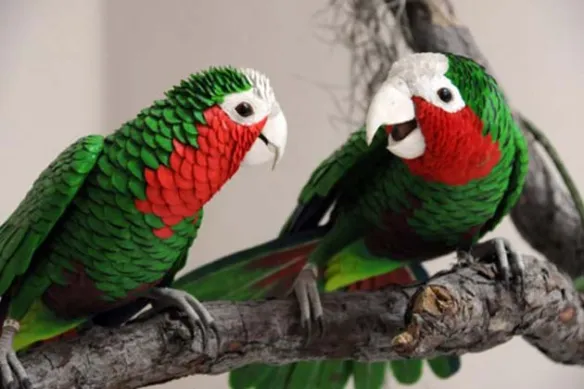
Havana, Feb 2.- Dr. Hiram González Alonso, a biologist at the Cuban Institute of Biodiversity of the Environmental Agency of the Ministry of Science, Technology and Environment (CITMA, for its acronym in Spanish), warned that the illegal capture of birds currently constitutes a greater threat to national avifauna than climate change, reported the minister of the sector, Armando Rodríguez Batista, from his Facebook profile.
A census conducted by that institution showed that in just over four years, the practice doubled in geographical scope, increasing from 98 locations in 2021 to 199 in the last quarter of 2025.
González Alonso, with five decades of experience, explained that the activity has evolved from a cultural tradition into a massive commercial business, with severe impact on endemic and migratory species.
Among the most affected birds, he mentioned the Cuban parrot, the Cuban parakeet, the Cuban grassquit, and the Cuban blackbird, whose populations are being reduced by destructive methods such as the felling of trees and palms where they nest.
Cuba has a solid legal framework to protect biodiversity, which includes the Constitution, the Penal Code, and Law 150 of the System of Natural Resources and the Environment, in addition to international conventions. Sanctions range from high fines to imprisonment.
However, the specialist pointed out that the legislation is not being complied with and called for greater support from the police and local authorities for the Forest Ranger Corps to enforce the regulations throughout the country.
The expert recalled the vital ecological functions of birds, such as pest control, seed dispersal, pollination, and nutrient transfer between ecosystems, the loss of which would cause an environmental disaster.
He also denounced the threats and insults received by scientists who disseminate information about the problem, although he reaffirmed his commitment to defending biodiversity.
As a sustainable alternative, he proposed promoting birdwatching tourism, an activity that already generates employment in local communities and contributes to conservation.
He clarified that species such as canaries, goldfinches, and Australian budgerigars have been historically bred in captivity and do not represent a danger to Cuban biodiversity.
The final call included the need to rigorously apply the law, strengthen environmental education in the media, facilitate channels for citizen reporting, and block international trafficking in coordination with the General Customs of the Republic.
CITMA authorities and competent agencies are working in a coordinated manner on the Governmental Plan to Confront Illegalities Regarding Forest Resources, Flora, Fauna and other natural resources, as well as on the National Program on Biological Diversity with projections until 2030. (ACN) (Photo: Taken from the Internet)