
Radio Cadena Agramonte emisiora de Camagüey





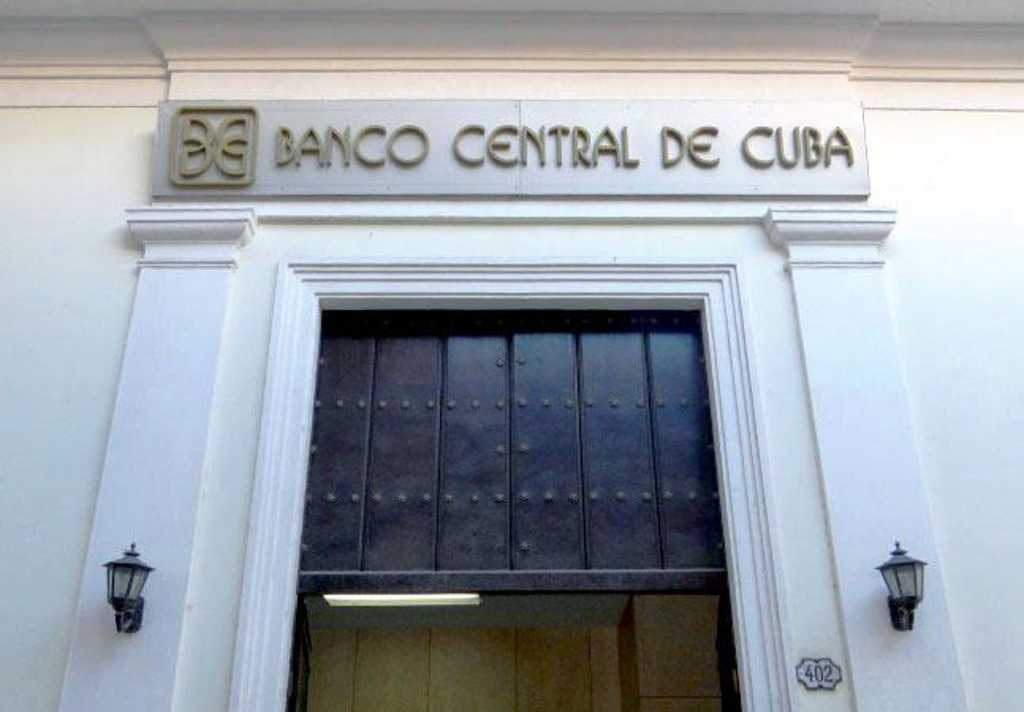
Since its inception, the program of the Cuban Revolution led by Commander in Chief Fidel Castro Ruz, in defense of social justice, national sovereignty, and the rights of the people, faced not only internal opposition but also a series of coercive measures imposed by the United States Government, headed by the criminal economic, commercial and financial blockade that seeks to suffocate its development and contain its regional impact.
The recent fuel shortage, exacerbated by the current economic sanctions, has once again tested the Cuban people's capacity for resistance.
The recent fuel shortage, exacerbated by the current economic sanctions, has once again tested the Cuban people's capacity for resistance, who have demonstrated exceptional firmness in the face of adversity.
The policies implemented by the United States Government have as their main objective to weaken the Cuban economy, limit its access to vital resources such as fuel, and destabilize the development of socialism, a system adopted by popular will by the majority of Cubans. This strategy has manifested itself in various forms, from the prohibition of exports to the limitation of imports of goods, as well as the restriction of commercial relations with other countries.
Fuel imports, a strategic resource for mobility and the functioning of industry, have been one of the sectors most affected by these measures. The decrease in energy supply has had significant repercussions on the daily life of Cubans and on the functioning of the economy. Nevertheless, the people's response is an example of resistance, ingenuity, and solidarity. Faced with scarcity, the population has adopted various strategies to adapt to the difficult situation, preserving the social achievements attained during the Revolution.
This resistance is also manifested in our capacity to defend the conquests of socialism. Despite economic difficulties, Cubans have maintained their commitment to the fundamental principles of the Revolution: education, health, and equity. Universal and free education, as well as access to health services, although both severely damaged by the blockade, are undeniable achievements that we will defend with pride.
This revolutionary legacy has been fundamental to maintaining morale and unity in difficult times. The collective awareness of the importance of preserving these conquests has fueled the desire to resist any attempt at regression towards a model of inequality and exploitation.
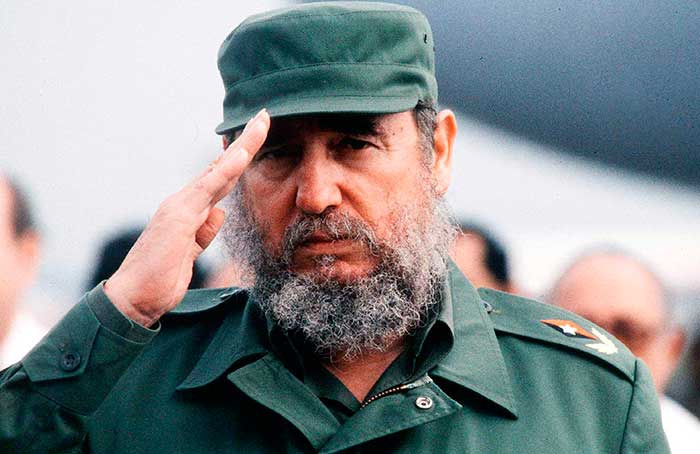
The legacy of Commander in Chief Fidel Castro Ruz lies not only in the policies implemented during his years at the head of the Revolution, but in the inspiration that he continues to offer to current generations. He embodied resistance against oppression and the struggle for national independence. His wisely articulated discourse always emphasized the importance of sovereignty and the self-determination of peoples. Through his pragmatic approach and his profound sense of social justice, he managed to consolidate a political project that, despite adversities, has continued to grow and adapt to contemporary challenges.
The capacity of Cubans to resist is not limited solely to the economic dimension; it also extends to the cultural sphere. Cuban identity is imbued with a spirit of struggle that is reflected in its artistic manifestations, in literature, music, and film.
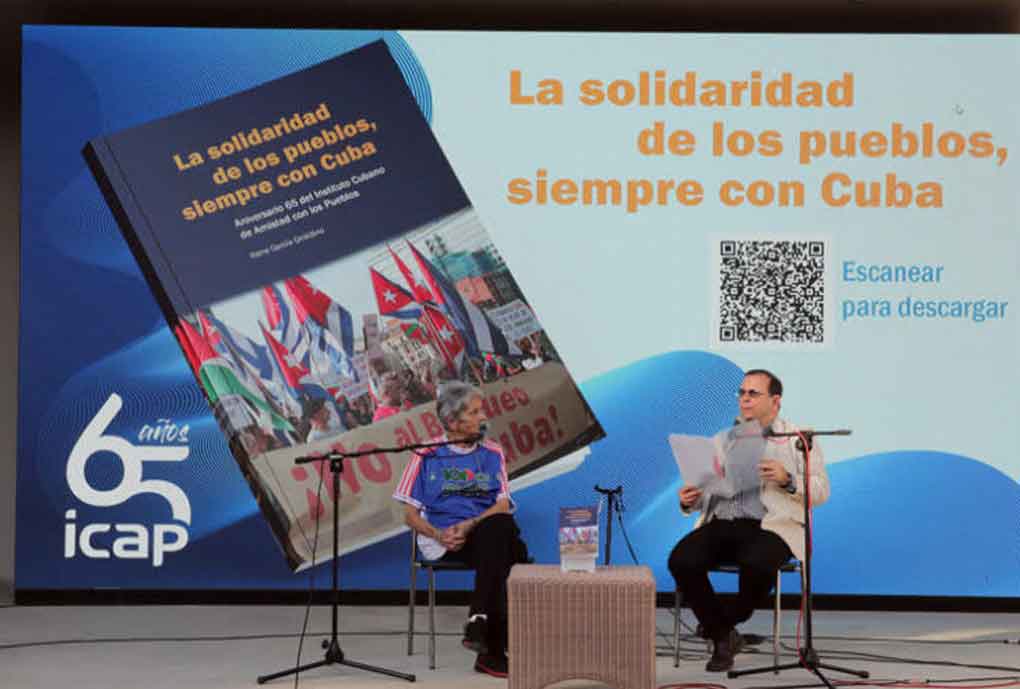
Furthermore, the international community has witnessed the way in which the Cuban people have faced adversity. In solidarity with their cause, countries around the world have expressed their support for Cuba, highlighting the injustice of the imposed sanctions and the need to respect the country's self-determination. This solidarity translates into collaboration in different areas, such as health, education, and science. The participation of Cuban doctors in humanitarian aid missions in various nations has been a clear example of how, despite scarcity and limitations, Cuba has shared its knowledge and experience with the rest of the world.
The history of Cuban resistance is also marked by the memory of those who fought and sacrificed their lives for the Revolution. The legacy of heroes such as José Martí, Camilo Cienfuegos, and Fidel Castro himself transcends generations, reminding us that the struggle for justice and equality is a patriotic duty. These historical references nourish the combative spirit of the population and reaffirm the importance of remaining vigilant against any external threat.
Looking towards the future, the Cuban people's capacity for resistance is being tested once again today. The fuel shortage and the effects of sanctions on the quality of life of Cubans constitute complex challenges that require creative and collective solutions. However, in the history of the Revolution lies a fundamental lesson: resistance and unity are key elements for facing adversity. The conviction that the achievements attained are the fruit of struggle and sacrifice must remain alive in every citizen.
The Cuban people's capacity to resist in the face of the fuel shortage, imposed by external coercive measures, is a manifestation of their firmness and determination to defend the conquests of socialism. The revolutionary legacy of Fidel Castro Ruz continues to inspire new generations to face adversities with dignity and resilience.
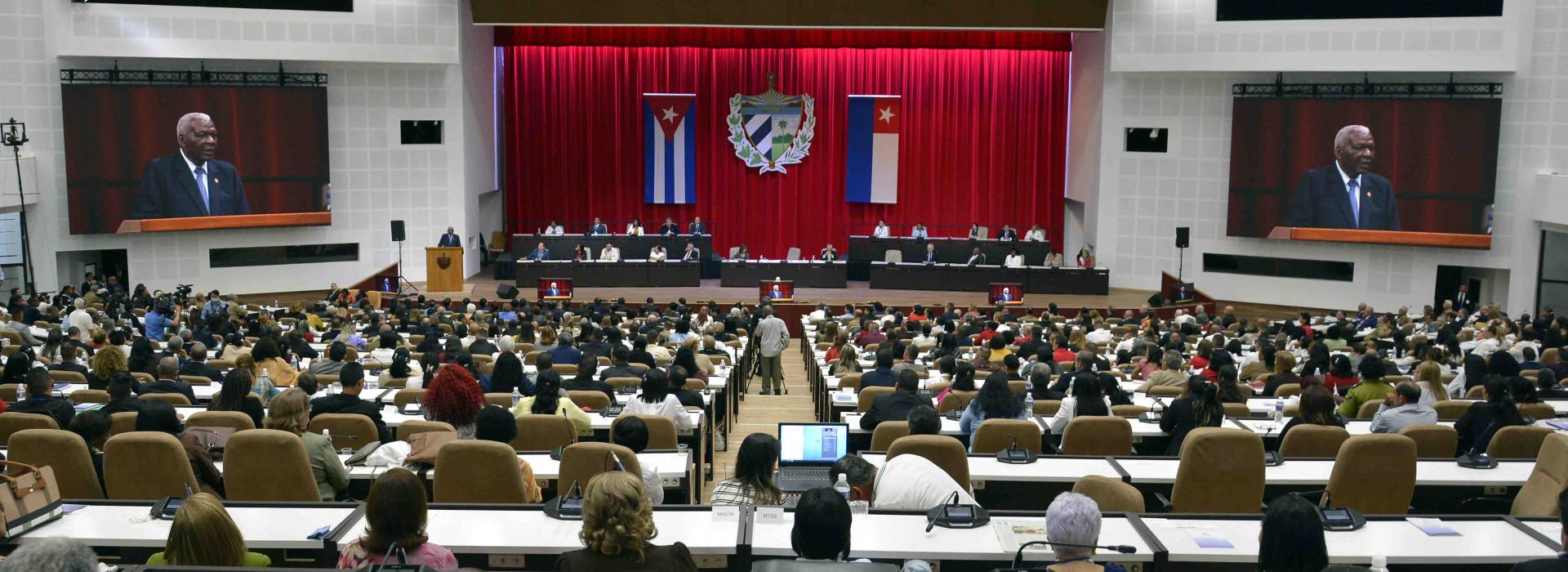
In this battle for survival and self-determination, we have demonstrated that, despite difficulties, our will to resist and defend the homeland is unbreakable. The history of Cuba is, ultimately, a history of resistance and hope, where every challenge is transformed into an opportunity to reaffirm the commitment to socialism and social justice. The future of the Cuban Revolution will undoubtedly depend on this capacity for resistance and unity in the struggle for a better world. (Text and photo: Trabajadores Digital)