
Radio Cadena Agramonte emisiora de Camagüey





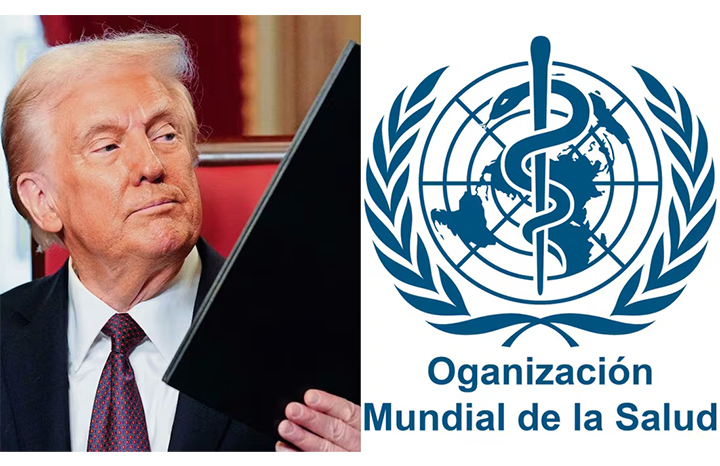
Although these days ministers and other senior officials and academics from several countries and international organizations are debating in Havana about public health management models at the global, regional and local level, and the strengthening of health systems in the post-COVID-19 stage, the World Health Organization (WHO) is forced to cut its current year's budget by 20%.
Since Donald Trump returned to the presidency in January, the president himself announced the withdrawal of the United States from the WHO and decided to freeze foreign aid, including important programs to improve healthcare around the planet.
At the international level, this has caused deep concern among experts, since that country is the main contributor of funds to the institution, with about 1.3 billion euros annually, around 20%-30% of the total budget.
In addition, the head of the White House has announced large cuts in US health entities such as the FDA drug agency, the CDC and the National Institutes of Health (NIH).
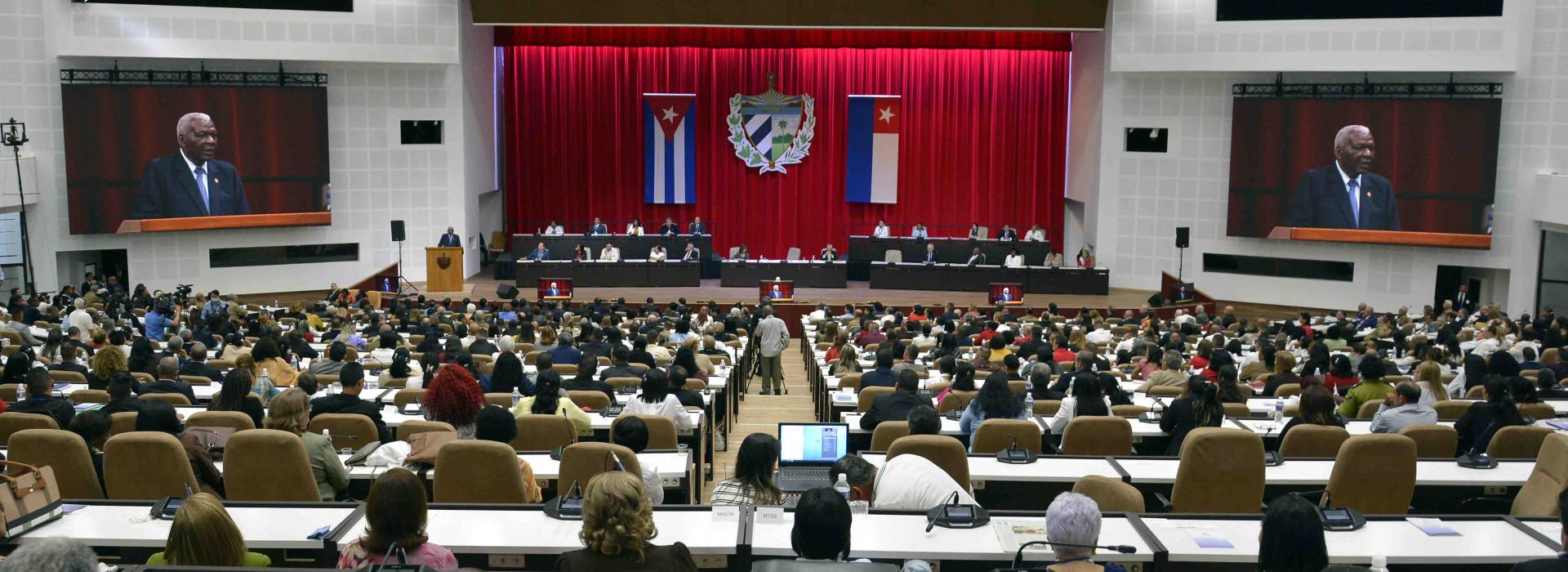
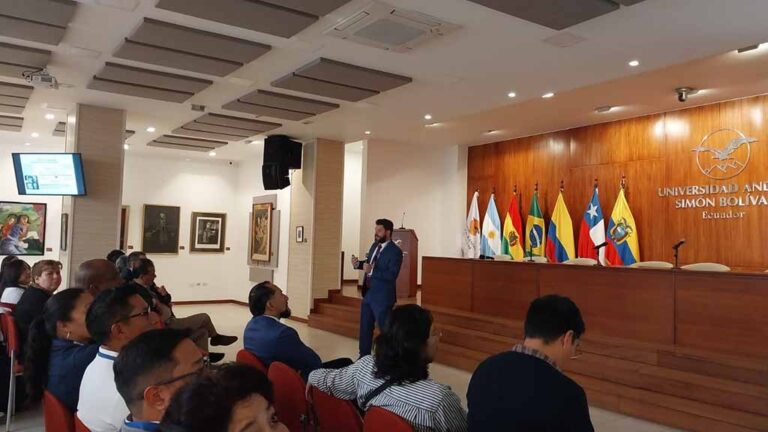
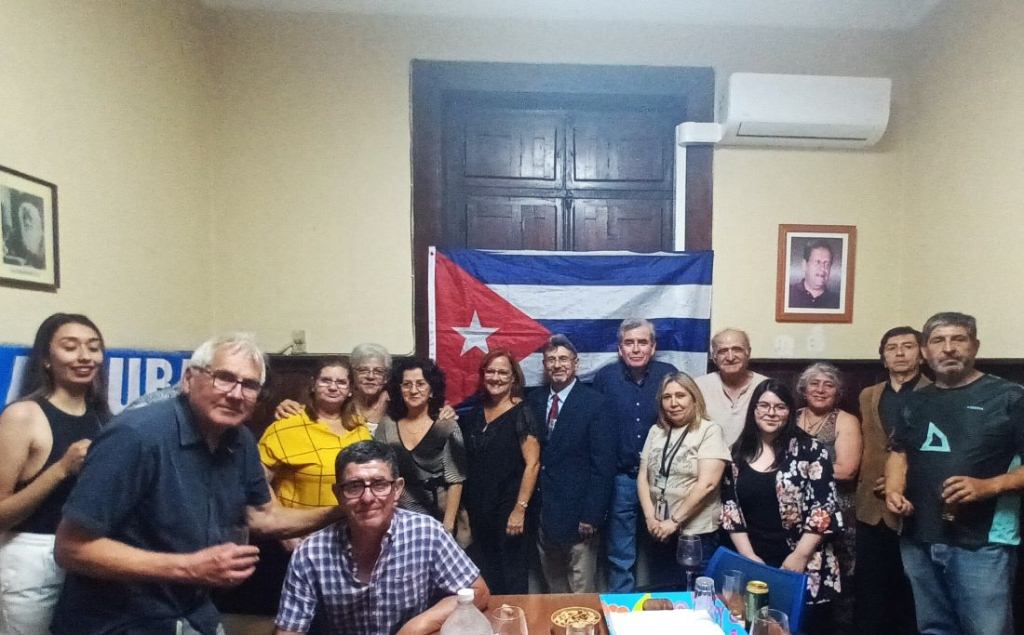
In contrast, the celebration of the V Cuba-Salud 2025 International Convention from April 21-25 in Havana and its associated events: the XVI Salud para todos Trade Fair and the 2nd Medical Tourism and Wellness Fair, reflect the Caribbean island's commitment to this important sector, sustainability, and international collaboration.
Because in its attempt to undermine and discredit the Cuban Revolution, Washington has unleashed a fierce campaign against medical collaboration or the export of professional services, despite having saved millions of lives around the world and contributed to the training of doctors, nurses and technicians.
As stated in the most recent podcast "Desde La Presidencia," hosted by President Miguel Díaz-Canel, this desperate attempt to block Cuban cooperation has two clear purposes.
One is to close any avenue of income access to the country, even in an activity as noble and necessary for other nations as health services, and the other reason is political and ideological: they want to end the example of Cuba.
In the aforementioned radio-television space, Dr. José Ángel Portal Miranda, Minister of Public Health, commented that the US government is bothered, first of all, by the international recognition of Cuban collaborators, for what they have managed to transmit to the world in terms of solidarity, and in achieving true health for the people.
Upon his arrival in Havana to participate in the convention, Michael Deville, head of Health of the Commonwealth of Bahamas, declared that Cuban doctors have served for more than 20 years in difficult-to-access areas of his nation, which presents difficulties with coverage in the communities.
"The altruism that characterizes this (Cuban) healthcare professional, unconditional and willing to give his life for his patient, constitutes a fundamental element of which our enemies are very afraid.
"The altruism that characterizes that (Cuban) health professional, unconditional and willing to give his life for his patient, constitutes a fundamental element of which our enemies are very afraid. They know us so much that they take on the task of inventing fallacies, in order to want to discredit something about which they themselves are clear," a young doctor said by video conference from Tegucigalpa.
This is Dr. Luther Castillo Harry, Secretary of State in the Office of Science and Technology of the Republic of Honduras, who said that in March 1999 he arrived here full of dreams, committed to the sad reality of his community (Garifuna) and his country and years later he graduated with honors, in the first graduation from the Latin American School of Medicine.
Precisely, Castillo Harry participates in the V International Convention Cuba-Salud 2025, in which he undoubtedly has a lot to say about it.
According to Dr. José Ángel Portal Miranda, since May 1963, the date that marks the official beginning by Algeria of Cuban medical collaboration until today, more than 600 thousand collaborators have provided their services in 165 nations.
At this time, a number that exceeds 24 thousand offer their humanism and solidarity in 56 countries, despite the campaigns of hate and lies promoted on the subject by Donald Trump's administration, the same one that withdrew the United States presence from the WHO, drastically cut foreign aid and reduced the health budget for its own population. (Text and photo: ACN)