Radio Cadena Agramonte emisiora de Camagüey





Havana, Dec. 2 - Trapped and manipulated by Marco Rubio's personal and vindictive conspiracy against Cuba, US President Donald Trump repeats his lies and turns them into international headlines, which are attributed to his warmongering, anti-communist, racist, and neo-fascist crusade.
World records for lies during a term in office: in persecution, torture, arbitrary actions and abuses against the human rights of migrants; mass deportations; government shutdowns that deepen poverty and discontent among Americans; popular rejection of his administration among Hispanics exceeding 80%; and the political polarization of a militarized country against the will of governors, mayors, and their citizens.
Trump has imposed revenge as a state policy, advised by the leader of the anti-Cuban terrorist mafia in Miami, now Secretary of State, which is why the mainstream US press itself has labeled it the government of the worst.
With these pronouncements, and the winds of war blowing across the Caribbean, trampling the agreed-upon declaration of a Zone of Peace, Washington is once again resorting to the pretext of the war on drugs to militarily intervene in Venezuela and threaten Cuba, Nicaragua, and other nations.
For these lies, there are forceful responses from Cuba and undeniable truths that call into question the seriousness and true will of the White House to responsibly confront drug trafficking, beyond the angry words or phrases of the magnate, who has become the new media dictator.
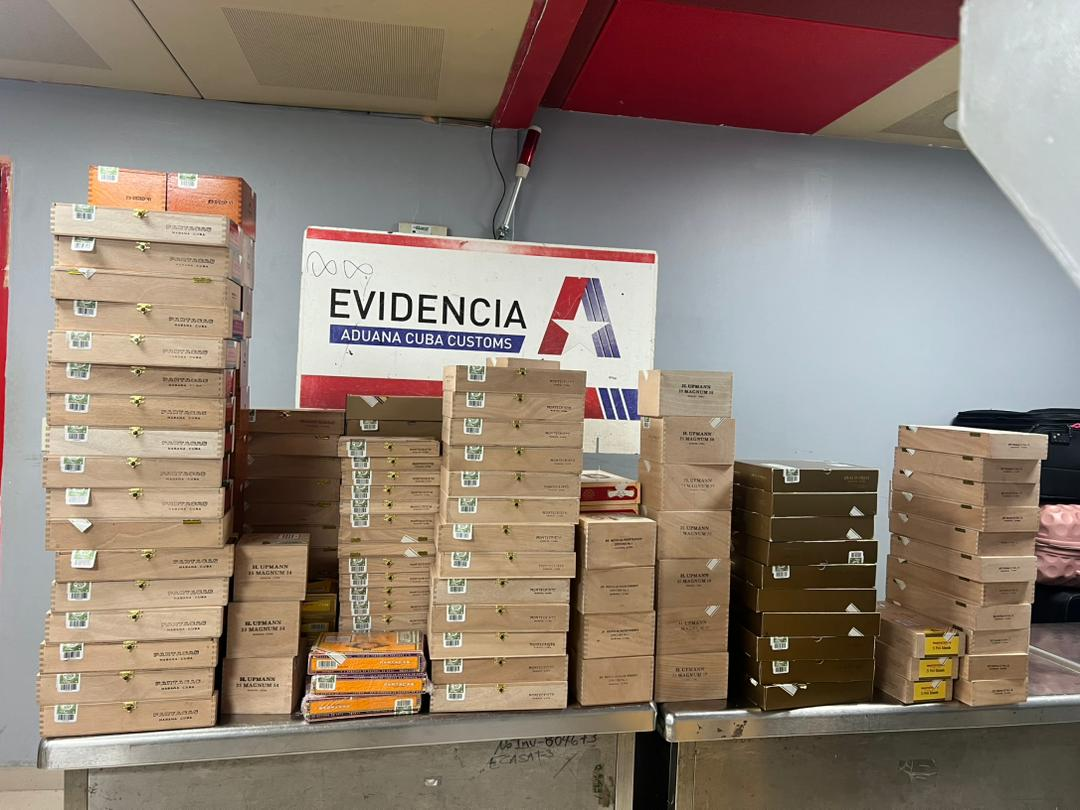
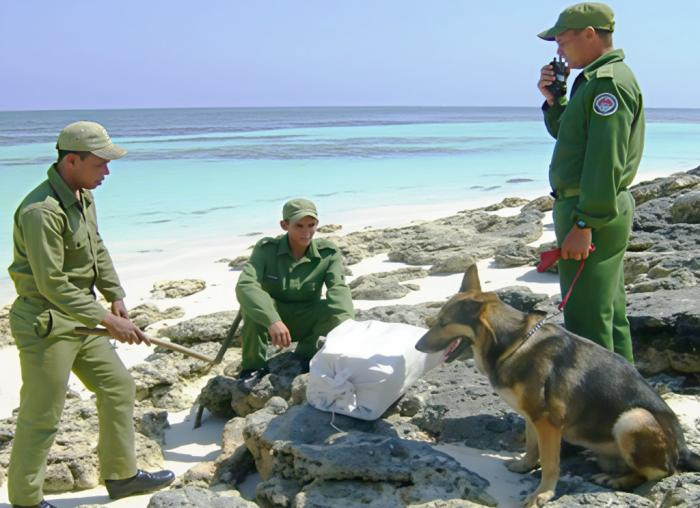
Over the past 14 years, Cuba has prevented more than 40 tons of drugs from reaching the United States, drugs whose primary destination was precisely that country. This has occurred despite the tightening of the blockade, which hinders the replacement of expensive engines for the Border Guard Troops' vessels, spare parts, fuel, scanners for border crossings, container inspections, and other means.
Overcoming the prohibitions and persecution of the U.S. economic war, Cuban authorities guarantee 24-hour uninterrupted surveillance and enforcement at sea, protect thousands of kilometers of coastline to the north and south, ensure permanent controls at ports, airports, and marinas, and intensify inspections at checkpoints on the country's main highways.
All this despite the failure of the American side to comply with memoranda of understanding and other cooperation agreements in this area which, if functioning properly, would contribute to increasing the effectiveness of the confrontation in the area. U.S. counterpart bodies have evidence of these recent truths.
Furthermore, it is essential for Cuba to have information and background checks on nationals residing in the United States or citizens who have influence in the U.S. and are engaged in attempting to smuggle drugs into our territory. However, there is no reciprocity or response to requests from Cuban law enforcement agencies.
The seriousness and comprehensiveness of the Cuban government's anti-drug policy is backed by 67 years of effective results based on broad institutional and popular participation, multifactorial, where prevention has a main place with education, culture, health and sport as fundamental antidotes, along with systemic confrontation and a severe legal-penal response against these crimes.
The prestige and transparency of the largest of the Antilles have ensured it a place and a voice in the main international forums where the issue is debated, close operational cooperation is maintained with foreign anti-drug services and Interpol, with which intelligence information is exchanged, as well as the experiences achieved in the prevention and confrontation models, in accordance with the agreements signed in the multilateral and bilateral order.
All of this is carried out on equal terms, with respect for international law, independence, and sovereignty. It is a common battle, for the sake of health and peaceful coexistence, not for ambitions, hegemonies, regime change, or to "become great again" in the hemisphere and overwhelm Latin America and the Caribbean as neocolonies or military bases. (Text and photo: Granma Digital)