
Radio Cadena Agramonte emisiora de Camagüey





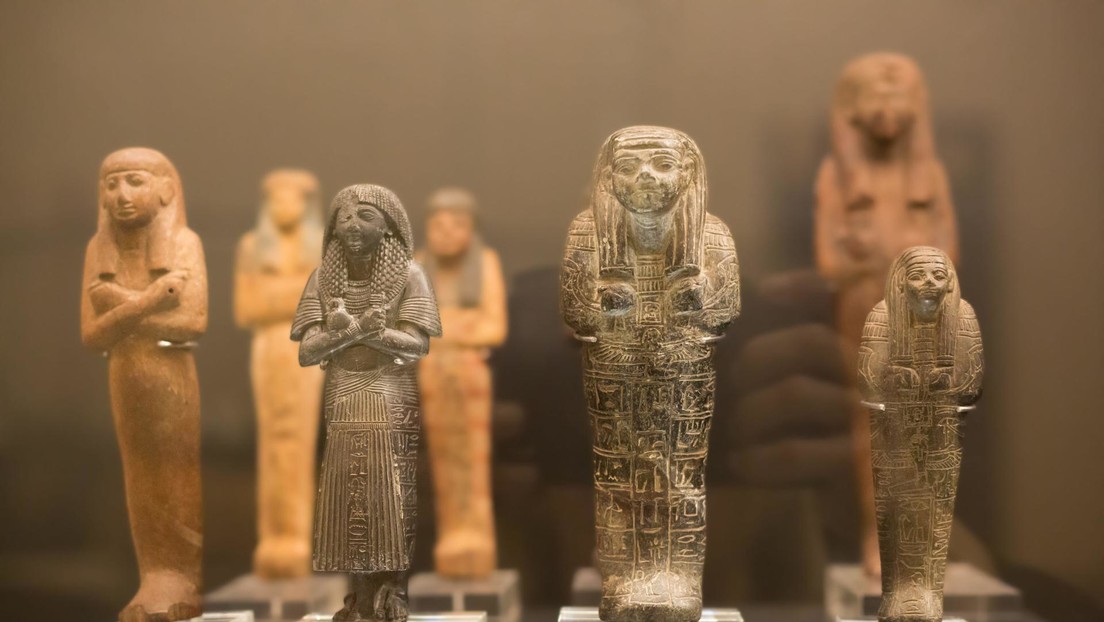
An archaeological treasure of 225 funerary statuettes, known as ushabti, was discovered in a tomb in Tanis, the ancient Egyptian capital located in the Nile Delta, reports AFP.
A French team, led by Egyptologist Frédéric Payraudeau, found the small figures carefully arranged in a star shape and in horizontal rows in a trapezoidal pit. More than half of them represent women, a highly unusual detail.
The excavation, which began on October 9, took ten days of nighttime work to extract the pieces without damaging them. A discovery of this magnitude had not been recorded in the area since the revelation of Tutankhamun's tomb in 1922; the site has been looted multiple times, and it is extremely rare to find historically valuable objects intact there.
"When we saw three or four figurines together, we knew immediately that it was going to be something incredible," said Payraudeau.
The discovery solved a centuries-old mystery: the relics bear royal symbols that identify the deceased as Pharaoh Shoshenq III, who reigned between 830 and 791 BC. However, his name appears inscribed on the walls of another tomb in the area, suggesting that the royal funeral plans may have been thwarted by succession conflicts.
Shoshenq III lived through a turbulent reign amid the bloody civil wars that occurred in the period between Upper and Lower Egypt. It is possible that the instability prevented the pharaoh from being buried in his original sarcophagus, or that his remains were later moved.
After being studied, the statuettes will be displayed in a museum in the country. (Text and photo: RT)