
Radio Cadena Agramonte emisiora de Camagüey





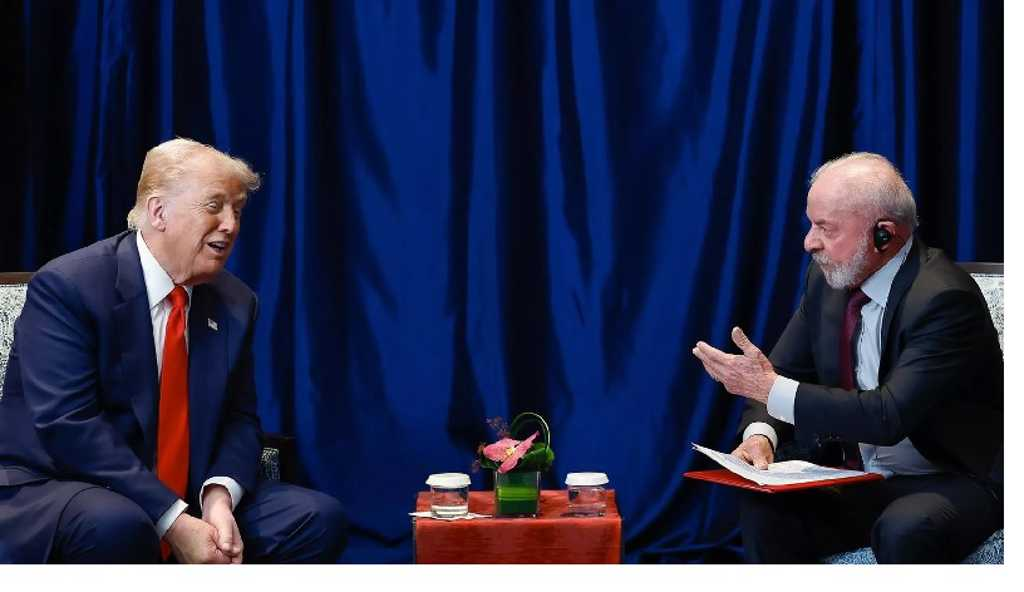
Brasilia, Dec. 24 - The government of President Luiz Inácio Lula da Silva believes that the institutional relationship with the United States does not eliminate the risk of potential interference from Washington in Brazil's 2026 electoral process.
According to the Folha de Sao Paulo newspaper, members of the Planalto Palace (seat of the Executive Branch) believe that the recent measures of détente do not necessarily imply a structural change in the White House's foreign policy.
The Republican Donald Trump, President of the United States, has adopted a pragmatic strategy toward Latin American countries, combining political pressure and economic incentives, according to his electoral and ideological interests, the sources say.
They indicate that a high-ranking official in Lula's administration stated that the partial elimination of tariffs on Brazilian products and the withdrawal of sanctions under the Magnitsky Act (a US law that allows the country to impose economic sanctions on those accused of corruption) may have been merely a tactical maneuver.
The internal perception is that these decisions were made after the failed attempt to prevent the arrest of former president Jair Bolsonaro, convicted and imprisoned for leading a coup, and do not guarantee Washington's future neutrality.
The Brazilian government is closely watching recent precedents. In Argentina, during the legislative elections, Trump conditioned the delivery of a financial aid package estimated at $20 billion on the electoral performance of President Javier Milei's party.
Also in Honduras, the Republican magnate's then-explicit support for the far-right candidate Nasry Tito Asfura generated a strong reaction from the local government.
Honduran President Xiomara Castro, a progressive, even claimed that the country was facing an "electoral coup" due to the interference of the US president.
Before the elections, Trump declared that the ruling party's candidate, Rixi Moncada, was a communist and that a possible victory would mean handing the country over to Venezuelan President Nicolás Maduro and his narco-terrorists.
The issue of drug trafficking has been used by the billionaire as justification for actions in the Caribbean and military threats against Venezuela.
The cooperation would also have served, preventively, to neutralize attempts by Bolsonaro's groups to seek external support under the pretext of combating organized crime in Brazil.
For the Lula government, international politics will have an unprecedented weight in the presidential elections of 2026 and Trump is expected to openly support the right-wing Brazilian candidate, who is more ideologically aligned with the White House. (Text and photo: PL)