
Radio Cadena Agramonte emisiora de Camagüey





Havana, Jan 5.- The Cuban Ministry of Public Health (Minsap) reported through its institutional website the results of the Maternal-Child Care Program (PAMI) for the year 2025, which reflected progress in several indicators and persistent challenges in the care of mothers and children.
According to preliminary data from the Directorate of Medical Records and Statistics, the infant mortality rate for children under one year was 9.9 per thousand live births, higher than that recorded in 2024, which was 7.1.
During the period, 68,051 births occurred, a figure that is 3,108 lower than the previous year, in line with the national demographic trend. Seventeen municipalities reported no deaths under one year, while Pinar del Río, Sancti Spíritus, Cienfuegos, and Holguín achieved the best rates in the country.
The maternal mortality rate was 44.1 per 100,000 live births, compared to 40.6 in 2024, representing one more death compared to the previous year. Nevertheless, 2025 was the second year with the lowest total number of maternal deaths in the history of Cuban Public Health.
Provinces such as Artemisa and Camagüey, as well as the special municipality of Isla de la Juventud, reported no deaths related to pregnancy, childbirth, or postpartum. Over one hundred municipalities achieved the same result.
The report highlighted that 321 patients with extremely severe maternal morbidity were saved thanks to the timely care of health professionals, which constitutes a relevant achievement of the system.
The preschool mortality rate was 3.7 per 10,000 inhabitants, representing a decrease of 24.3% compared to the previous year, while the school-age mortality rate remained at 2.2 per 10,000 inhabitants, with seven fewer deaths in absolute numbers.
Among the actions carried out were the follow-up of pre-existing diseases, the comprehensive management of hypertension in pregnancy, systematic check-ups for high obstetric risk cases, and measures to reduce low birth weight and preterm birth.
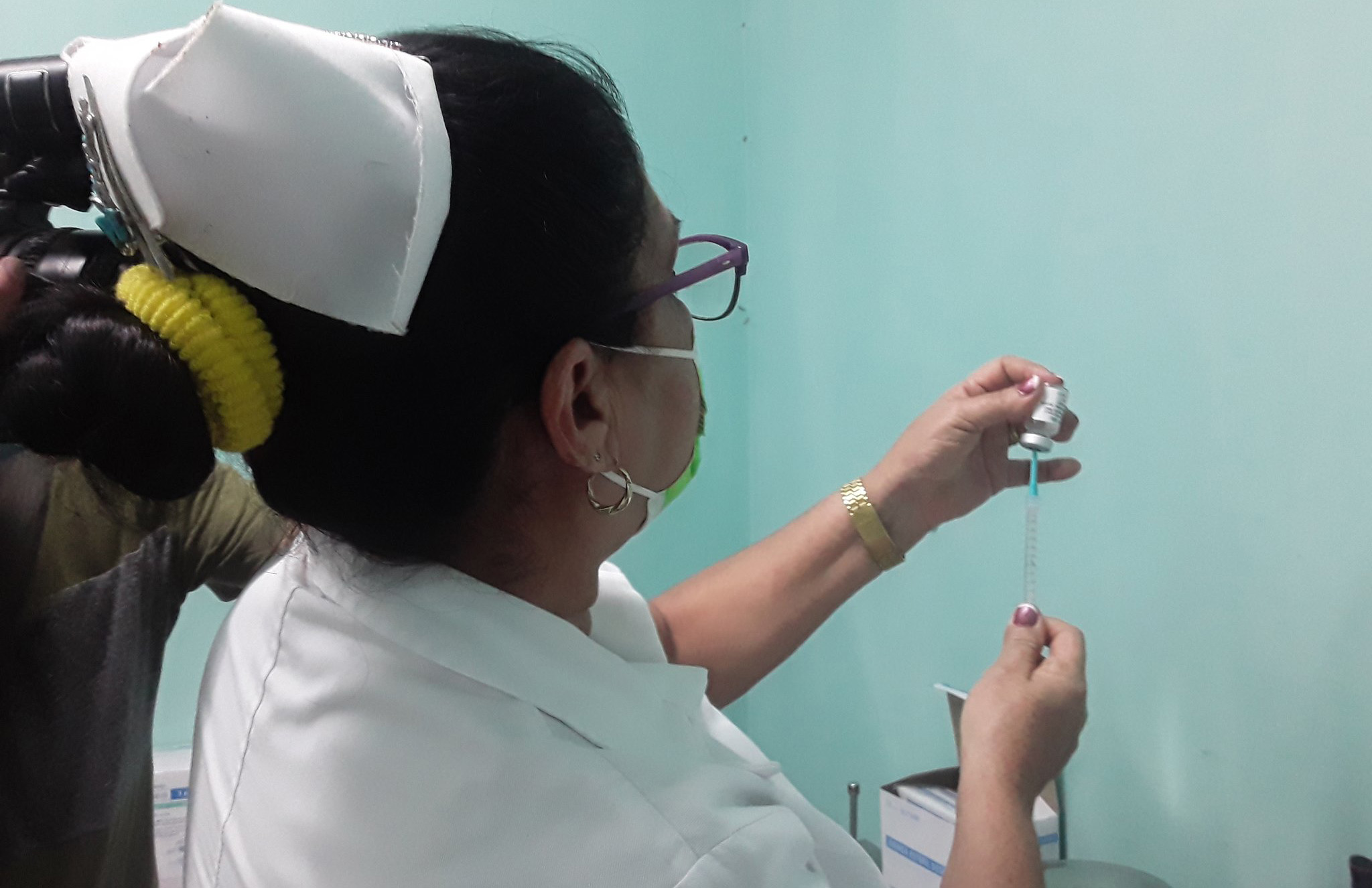
During the year, vaccination against pneumococcus was introduced for the first time, aimed at reducing morbidity and mortality from acute respiratory infections in the early years of life, as well as the vaccine against the Human Papillomavirus to prevent cervical cancer from an early age.
Minsap emphasized that, despite economic difficulties and the tightening of the U.S. economic, commercial, and financial blockade, PAMI remained a priority of the health system, with intersectoral strategies to ensure comprehensive care for mothers, adolescents, and children. (Source: ACN)