
Radio Cadena Agramonte emisiora de Camagüey





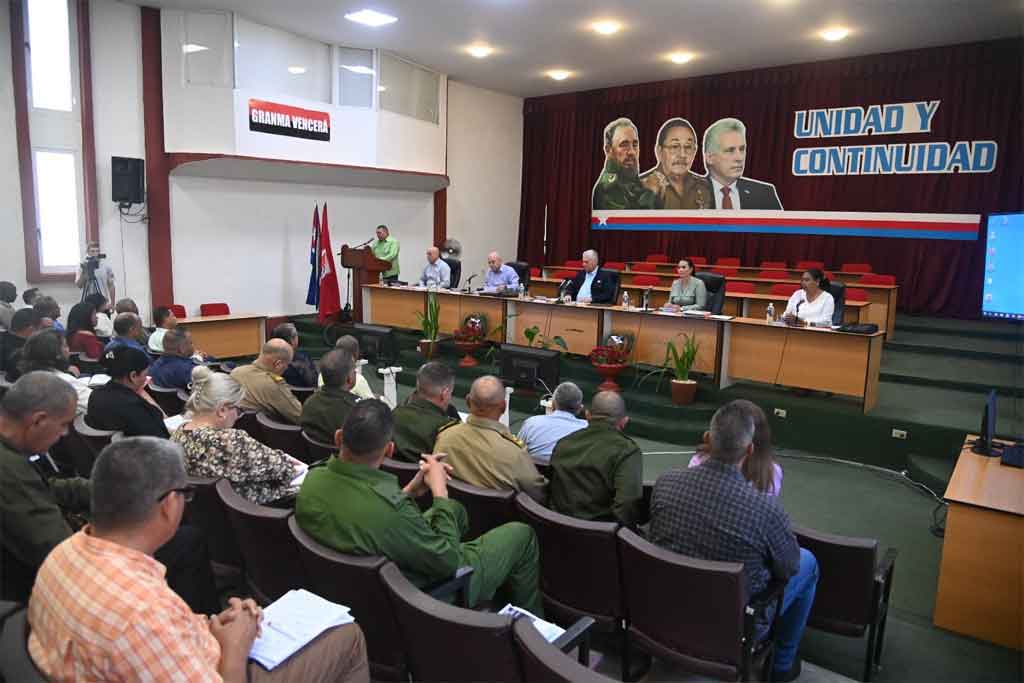
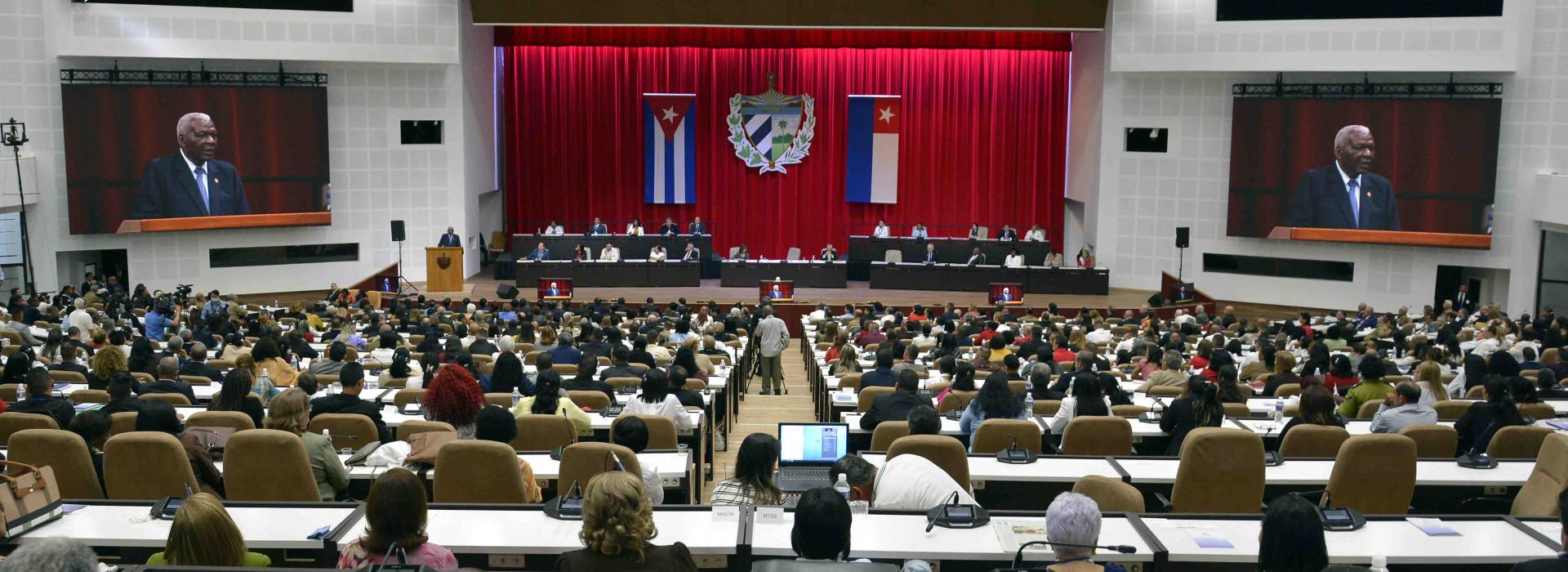
Havana, Jan. 10th.- The extraordinary plenaries of the provincial committees of the Communist Party of Cuba (PCC, for its acronym in Spanish) continue to capture the attention of the island's media, which today report on those held in Granma and Holguín.
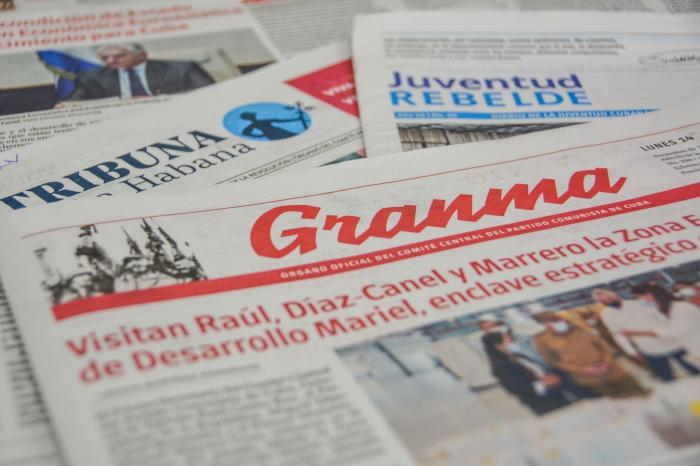
Miguel Díaz-Canel, First Secretary of the Central Committee of the PCC, led the fifth and sixth meetings of this kind this week. During these sessions, the membership is defining work concepts and methods for 2026. The Cuban President also called for defending national priorities at the grassroots level, as reported by the newspaper Juventud Rebelde.
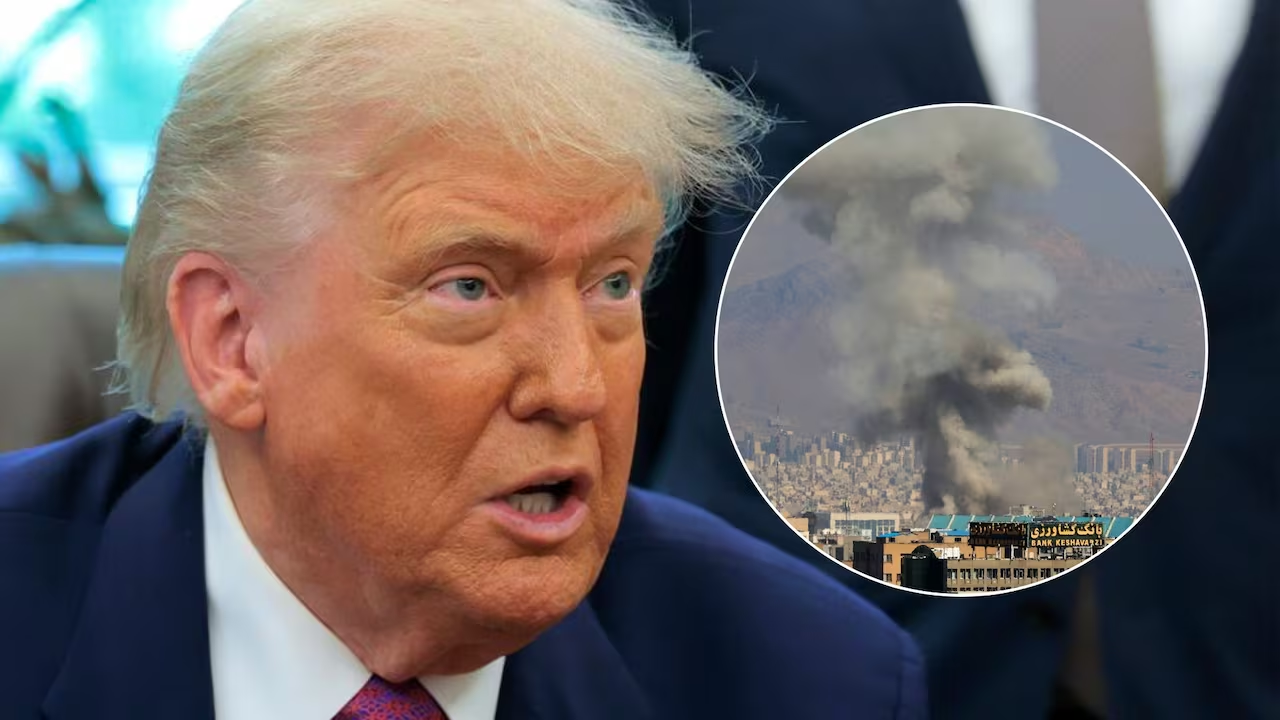
In both meetings, the Head of State commented on the “background and consequences” of U.S. aggression against Venezuela and stated that “in the face of the empire's threats, Cuba will continue to consolidate its defense readiness and its work in the economic and social spheres.”
"We are living in a historic stage. We must reach a higher level in the functioning of the Party, the State, the Government, institutions, the Youth, mass organizations, administrations, and business activity, and appeal to all alternatives to keep moving forward," he noted.
“We are in a productive offensive to bring in more foreign currency, to export more, and to produce more nationally, because this situation is reaffirming to us what we must do,” he assured.
We must work—he asserted—so that in 2026 we enter a stage of recovery and progress, as it is a year of essential motivation: the Centenary of Commander in Chief Fidel Castro Ruz.
Díaz-Canel “revisited concepts developed in the 11th Plenary of the Central Committee, vital for the organization's work, such as party discipline, the training of cadres, and the development of the three pillars of the Party and the Government—science and innovation; political, institutional, and social communication; and digital transformation and the use of artificial intelligence—as well as popular control and participatory budgets,” the report in the newspaper Granma highlights.
Furthermore, “he insisted on the need to work with a focus on priorities” and affirmed that the U.S. government's blockade is the main factor hindering the country's development, “but there are many problems related to how we organize ourselves to solve them.”
He also emphasized that the sensitivity of party members toward everything that happens is fundamental and urged all members of the PCC to always be at “the vanguard for the solution of problems.”
In the introduction to the plenaries, the Secretary of Organization of the Central Committee of the PCC, Roberto Morales, promoted debates regarding the organization's role in these complex times, work within grassroots organizations, the attention to and role of the Young Communist Union (UJC, for its acronym in Spanish) and mass organizations, party discipline, and popular control.
“Always, but especially in these moments, any vestige of self-complacency must be banished from the Party's work, because what we are doing is still far from solving all problems. Therefore, without extremism or pedantry, a critical analysis of what is being done is necessary,” Morales pointed out.
In addition to Granma and Holguín, extraordinary plenaries were held last week in Pinar del Río, Artemisa, Guantánamo, and Santiago de Cuba as part of a process emphasizing “the role of the PCC in the scenario currently facing the country.” (Source: Prensa Latina)