
Radio Cadena Agramonte emisiora de Camagüey





Havana, January 12 – The application of agroecological techniques on farms in Artemisa and other provinces has allowed for increased food production and reduced dependence on imported inputs, according to statements from peasants and specialists linked to the Campesino a Campesino (Peasant to Peasant) Agroecological Movement of the National Association of Small Farmers (ANAP, for its acronym in Spanish), the newspaper Granma reported.
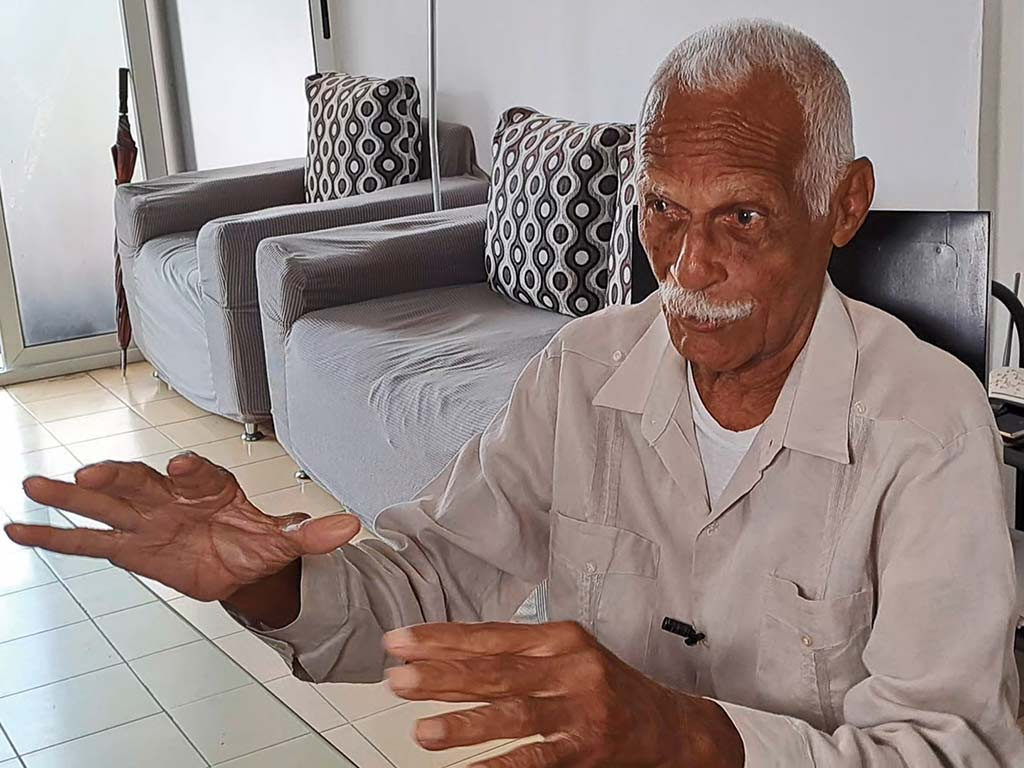
Leonardo Chirino González, founder of the movement, stated that agroecology constitutes a conscious transformation towards a sovereign and resilient model, based on soil conservation, seeds, and the integration of agriculture with livestock.
At the Antero Regalado Credit and Service Cooperative, located in Güira de Melena, Artemisa, peasants use worm humus, animal manure, and polycultures to ensure family supply and support local social institutions.
Chirino explained that polyculture allows for confronting adverse weather phenomena, as diversifying crops ensures the continuity of production even when one crop is affected.
The farm La Excelencia, under usufruct, incorporated fruit trees, vegetables, and coffee in an area previously used for livestock, in addition to effective mountain microorganisms and fingerling breeding, which enabled commercialization with healthcare centers.
According to ANAP data, of 226,568 affiliated farms, 147,329 have begun the agroecological transition and only 3,692 possess certification and seals for commercialization and export.
Decree 128 on Agroecology establishes that the Ministry of Agriculture must facilitate access to appropriate technologies, provide technical assistance, and strengthen traditional knowledge of agroecological systems.
The National Program for Urban, Suburban, and Family Agriculture and the Peasant to Peasant Movement involve more than 200,000 families in training and learning processes, which contributes to access to local and nutritious foods in cities.
Although dependence on imports for conventional agriculture persists, families that apply agroecological practices achieve self-sufficiency and supply the community, in a gradual process towards food sovereignty.
Chirino emphasized that agroecology must be visualized as a permanent model and not as a simple substitution, as with the systematic application of biological practices available in the country, the goal of producing food in a sustainable manner will be achieved. (Source: ACN)