
Radio Cadena Agramonte emisiora de Camagüey





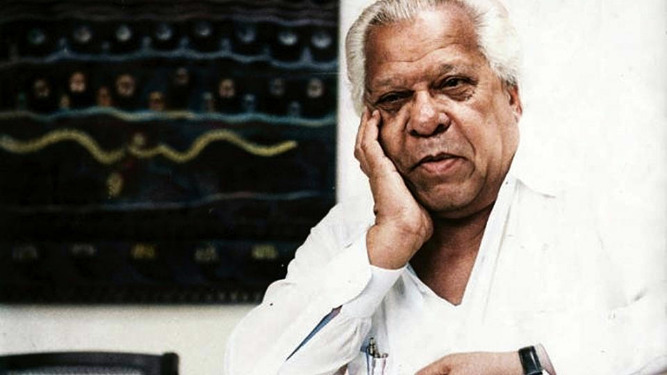
Camagüey, Jan 23.- In the north of Camagüey province lies Minas, a charming town that Cuba's acclaimed national poet, Nicolás Guillén, fondly evoked by referring to it as a "land of palm trees and violins."
This place, rich in history and traditions, served as an important backdrop for the life and work of this notable poet, who found in its streets and in the warmth of its people a space conducive to cultivating his creativity and his strong social commitment. The vibrant atmosphere of the homeland fueled his poetry, turning every corner of the town into a source of inspiration that would resonate in his verses.
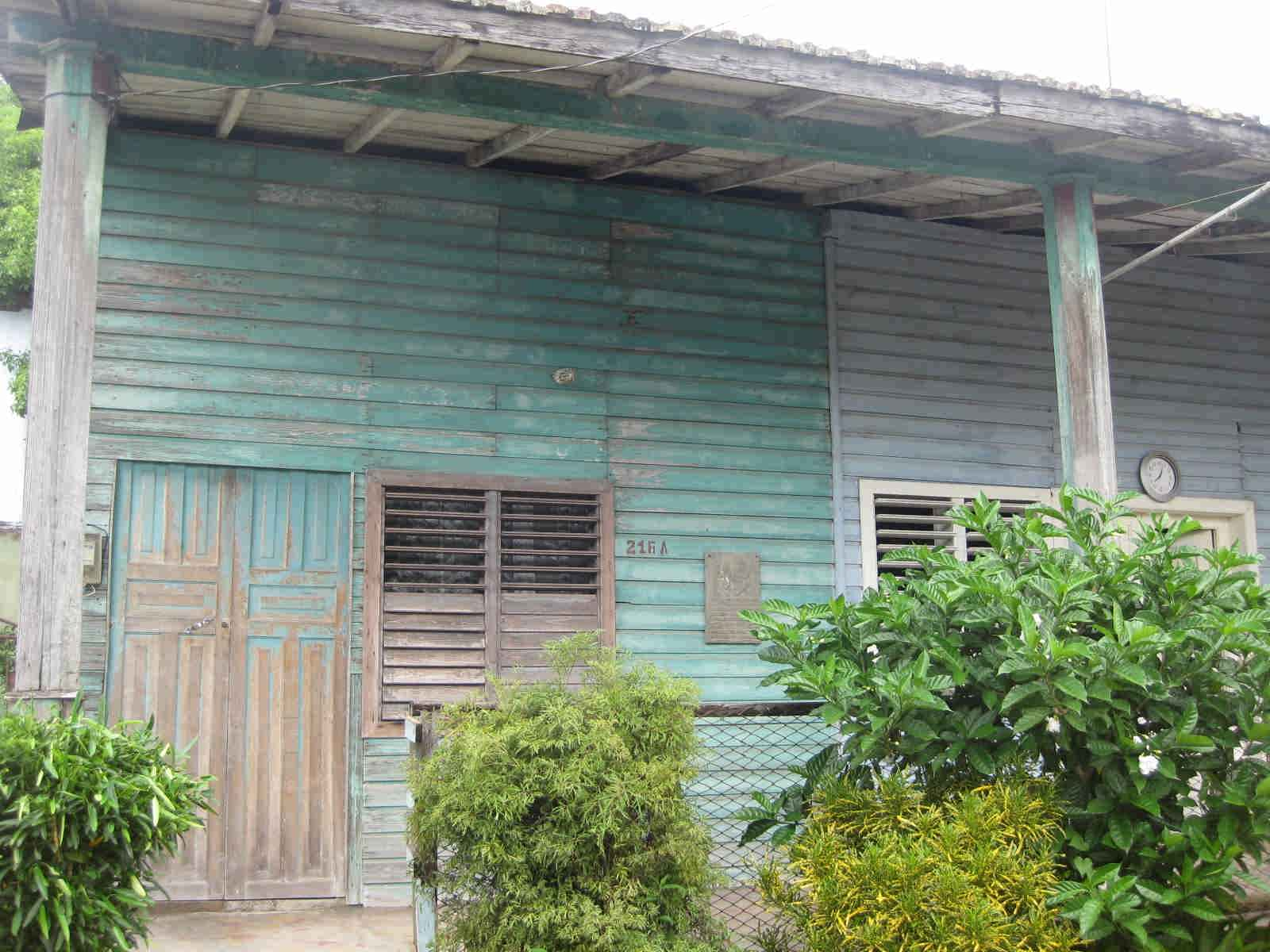
In the mid-1940s, the Guillén family found a temporary home in Minas. In the house marked with number 216 on Ayestarán Street, the poet's daughter, Raquel Guillén, together with Doctor Orlando Hernández, welcomed Nicolás in a familiar and cozy environment that witnessed numerous significant moments of his life. In that small refuge, he found both inspiration and rest, and from there he would often gaze upon the streets of Minas with the eyes of a poet and friend of the people.
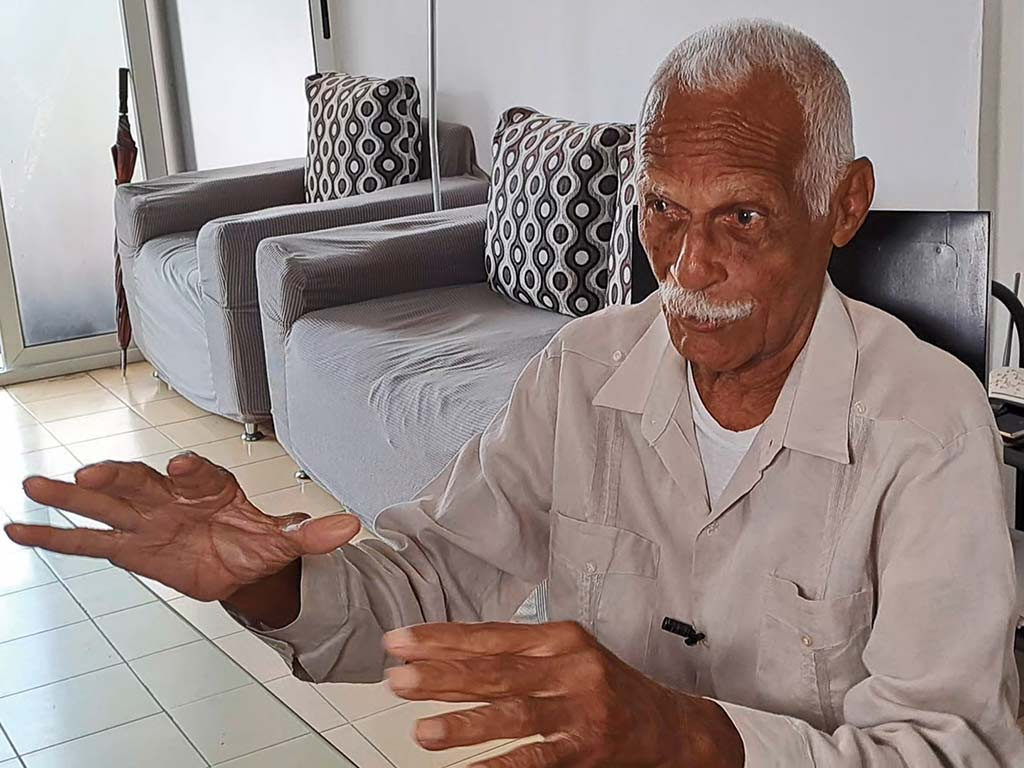
One of the most cherished memories passed down by his grandson, Nicolás Hernández Guillén, recalls the afternoons at El Corralón, a large open space in front of the railway station where the poet would gather with the neighborhood children. In that place, Guillén and the little ones would dedicate themselves to building colorful kites, while he shared fascinating stories with them about Cuba and its rich heroic tradition.
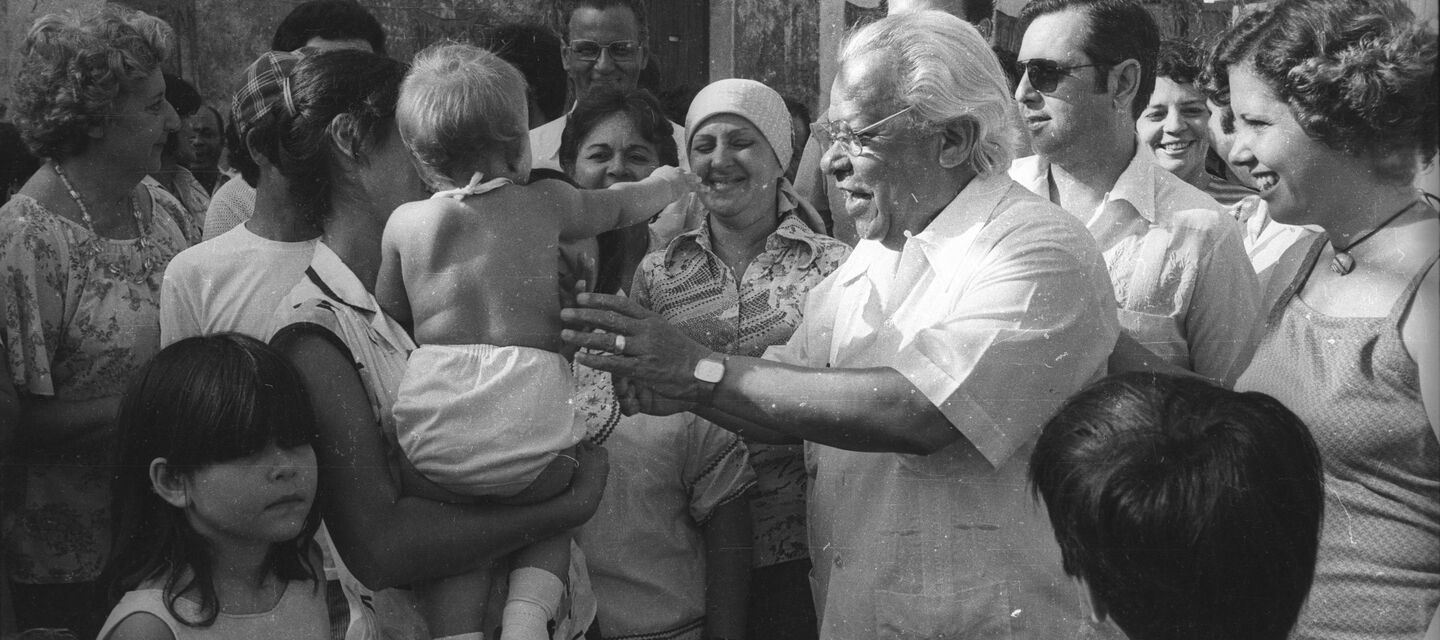
During those occasions, the poet would point to a carob tree that still stands firmly in the area and tell the children how, under its shade, the independence leader Ignacio Agramonte had charted the path to Cuba's freedom on November 26, 1868, an event we now know as the Reunión de Las Minas.
The pain from Jesús Menéndez's death inspires Nicolás Guillén in Minas
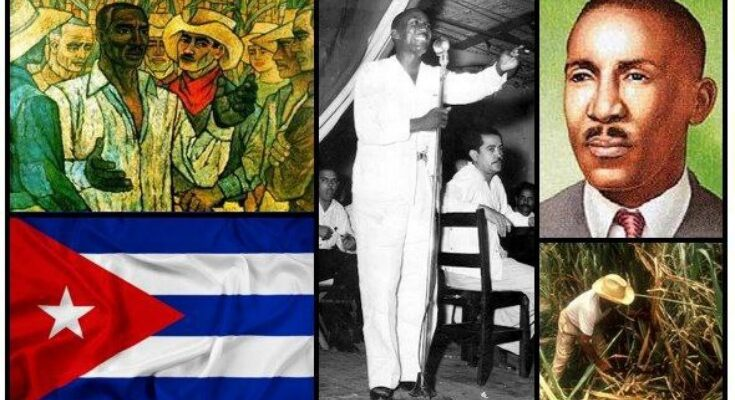
On January 22, 1948, a tragic event occurred. Captain Joaquín Casillas boarded the train on which Jesús Menéndez was traveling in Manzanillo, with the intention of arresting him. However, due to his immunity, the union leader refused to follow the soldier and turned his back, leading Casillas to shoot him, causing his death.
This event left a deep mark on Nicolás Guillén, who was very close to him. In honor of the General of the Sugarcanes, he wrote his extensive poem Elegy to Jesús Menéndez, considered one of his most important works, which he completed in 1951.
Amidst his profound grief, the poet found in the serenity of Minas the calm he needed to finish his work. In the intimacy of one of the rooms in his daughter's house, he immersed himself in creating verses that portray the strength and suffering of the Cuban people in the face of the loss of one of the most outstanding union leaders of the sugar workers.
"The sugarcane stalks came and went,
desperate,waving
their hands.
They warned you of death,
the broken back and the gunshot."
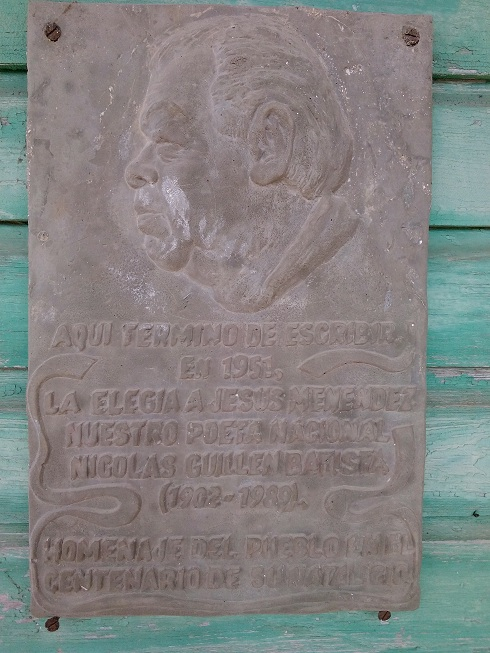
Today, the memory of Nicolás Guillén endures in Minas thanks to a plaque located at the residence on Ayestarán Street number 216, which immortalizes his presence in that place. This monument stands as a symbol of Camagüey's cultural heritage and pays tribute to one who knew how to capture in his verses the mestizo and poetic spirit of Cuba, leaving a legacy that transcends time and generations. (Maykel Torres La Rosa/Radio Cadena Agramonte) (Photos by the author and taken from the Internet)