
Radio Cadena Agramonte emisiora de Camagüey





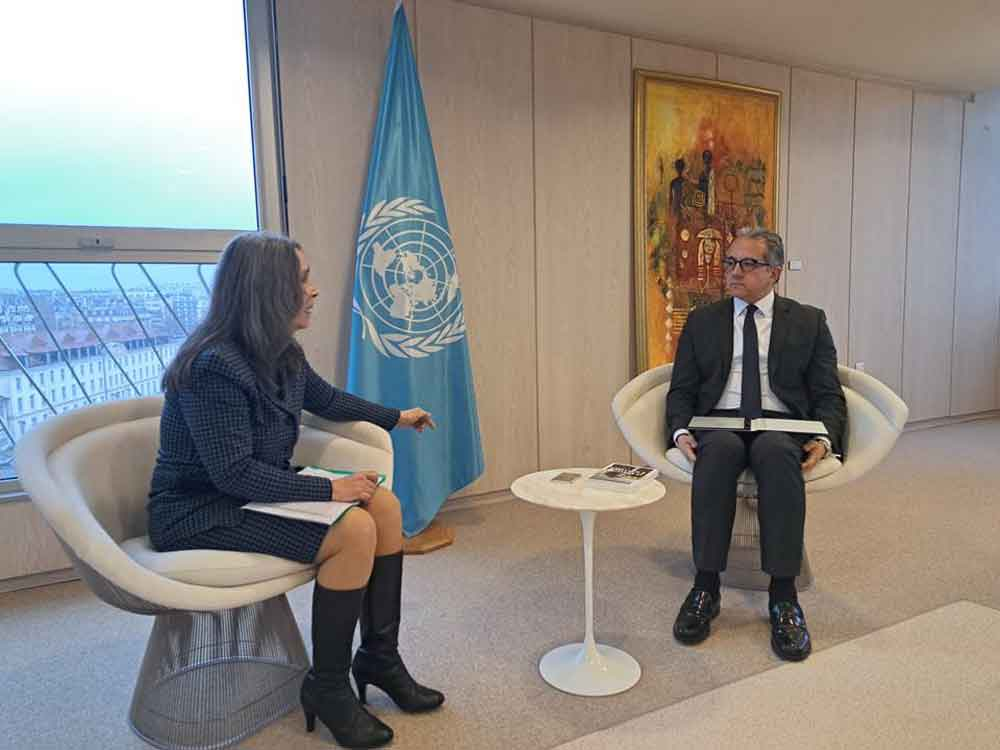
Paris, Feb 19.- Cuba's permanent representative to UNESCO, María del Carmen Herrera, today explained to the organization's Director-General, Khaled El-Enany, the consequences of the tightening of the U.S. blockade through an energy siege measure.
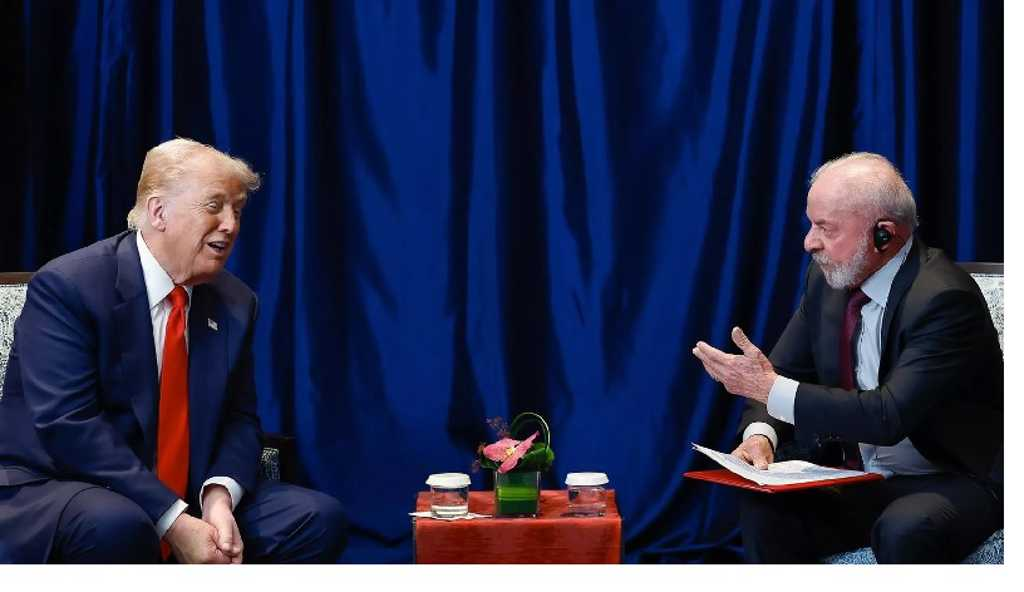
During the meeting held at the headquarters of the multilateral body, the diplomat provided details on the impact of the executive order signed on January 29 by President Donald Trump, in which he declared Cuba "an unusual and extraordinary threat" to U.S. national security and warned of imposing tariffs on countries that sell or supply oil to the island.
Herrera described the escalation in Washington's hostility as a brutal act of aggression and recalled that the Caribbean nation has been dealing with an economic, commercial, and financial blockade for over 65 years, a policy that contravenes International Law, the UN Charter, and the values that govern UNESCO's work.
"With this decision, the U.S. government aims, through threats and coercion against third countries, to reinforce the economic suffocation measures imposed since Trump's first term," she emphasized.
The Cuban ambassador insisted during the meeting that it is Washington, with its crusade, that threatens peace and multilateralism and challenges the sovereignty of states with the extraterritorial reach of its blockade.
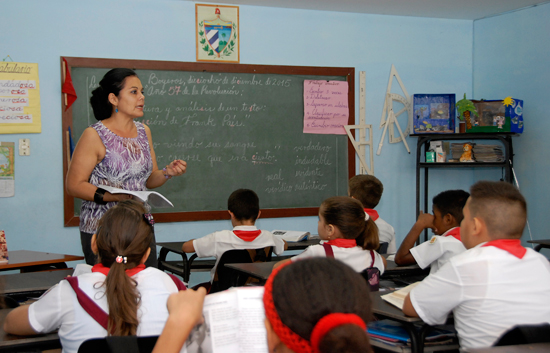
In her arguments, she explained to El-Enany the damage that the tightened policy causes in the daily lives of the island's inhabitants, particularly in sensitive sectors such as health and education.
In this regard, she assured her interlocutor that Cuba resists and adopts measures to face and mitigate the consequences of the escalation of aggressiveness represented by an oil siege.
She also highlighted the importance of international solidarity and support in the current scenario of brutal pressure against the small country.
For his part, UNESCO's Director-General acknowledged the consequences of the prevailing context for education, health, culture, and science, areas under the competence of the multilateral body, of which Cuba has been a member since August 29, 1947.
El-Enany highlighted the ties between the island and the specialized United Nations organization, as well as the work of the Regional Office based in Havana.
Similarly, he reaffirmed his willingness to strengthen ties and cooperation with the Caribbean nation.
This week, Cuba, through the voice of diplomat Laura Álvarez, denounced the tightening of the U.S. blockade before UNESCO, during her intervention at the opening of the Nineteenth Session of the Intergovernmental Committee responsible for addressing the 2005 Convention on the Protection and Promotion of the Diversity of Cultural Expressions. (Text and photo: PL)