
Radio Cadena Agramonte emisiora de Camagüey





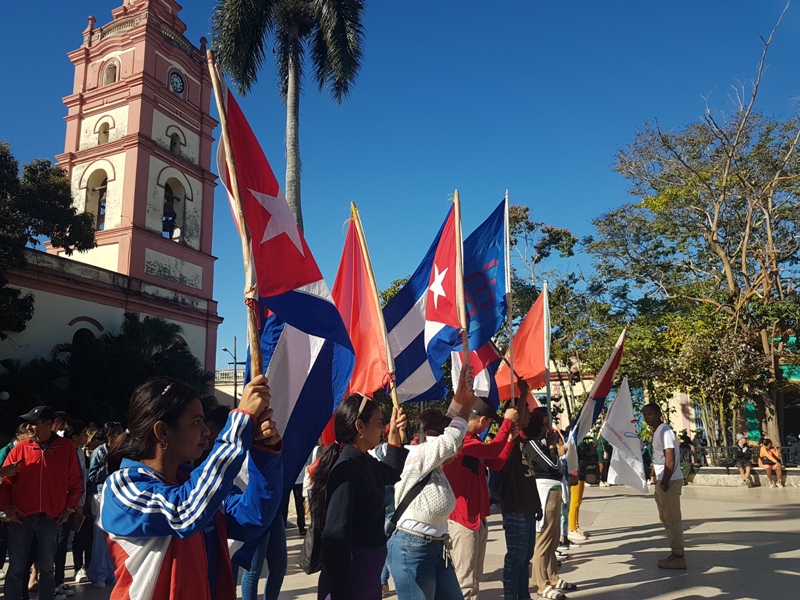
Camagüey, Feb 24 - On a date as significant as February 24, a day that marks the resumption of the struggles for the independence of Cuba, the city of Camagüey adds to the national commemoration its own motivations that reaffirm its historical identity.
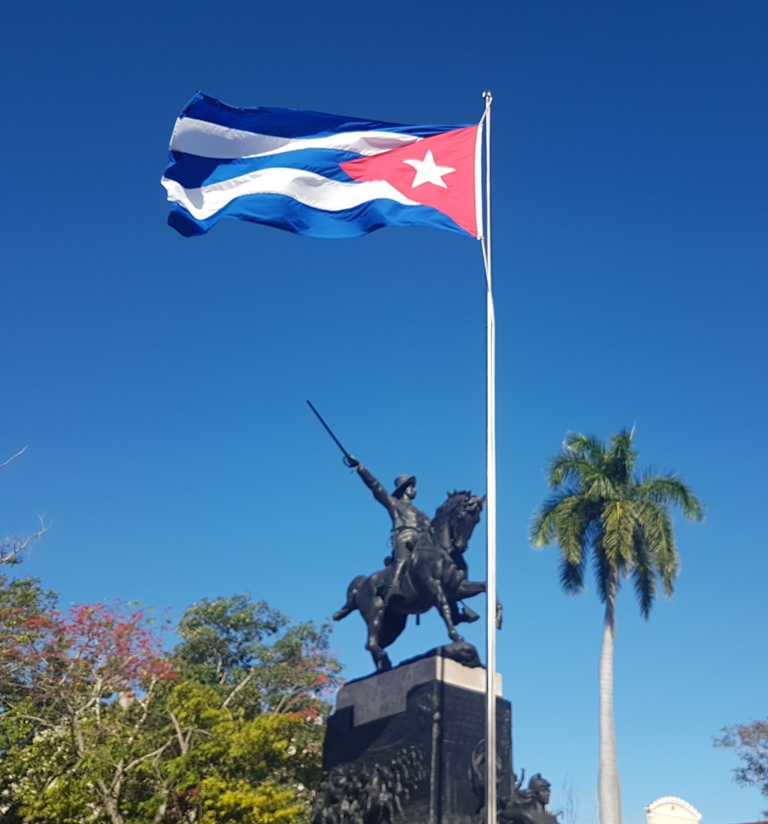
This year, the 114th anniversary of the inauguration of the equestrian statue of Ignacio AgramonteLoynaz, erected in the old Plaza de Armas, and the 29th anniversary of the founding of the Office of the City Historian of Camagüey (OHCC) came together.
The commemorations were imbued with the spirit of two essential figures in the forging of the nation: José Martí and Agramonte himself, united in history by the ideal of conquering the full sovereignty of Cuba.
https://www.cadenagramonte.cu/prueba/c59dab4557c232e05a76a6894fdcc792d525ff83.jpg
The work of the OHCC is inscribed in this legacy, an institution that assumes the preservation of historical memory as a daily commitment, thanks to the effort of professionals capable of bringing the past to the present and keeping local identity alive.
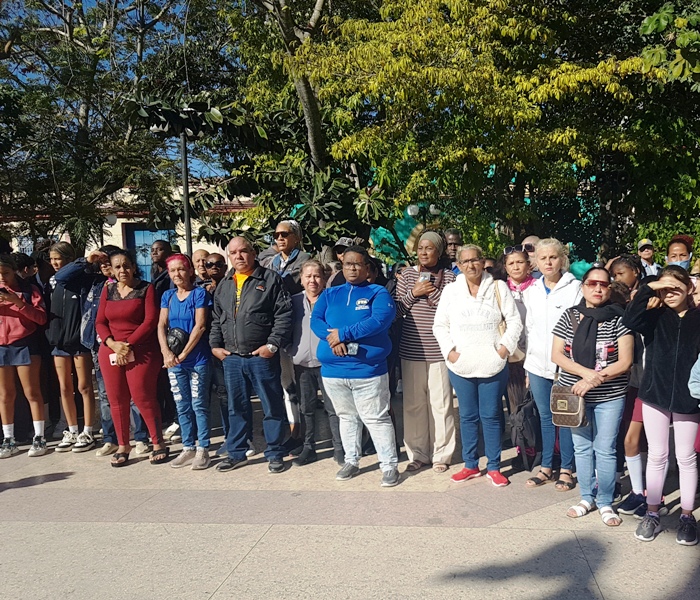
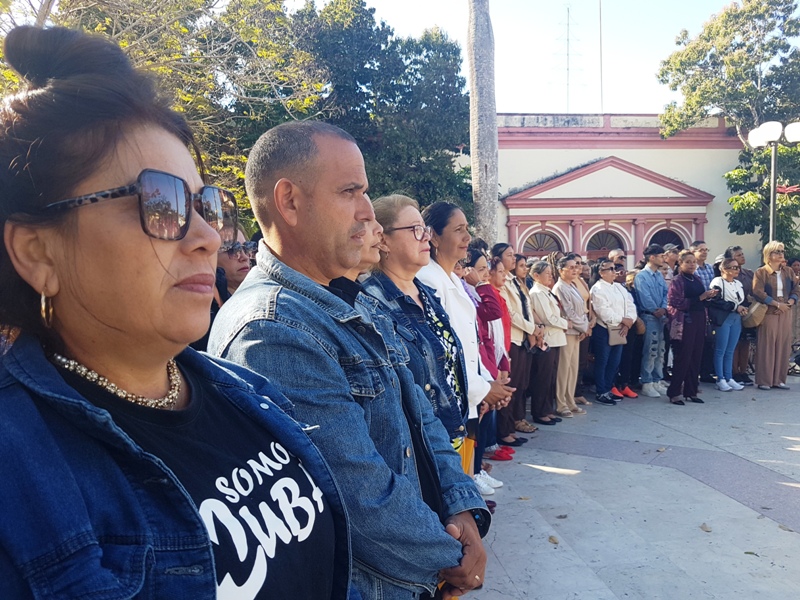
The solemn ceremony was attended by Walter SimónNoris, first secretary of the Provincial Committee of the Communist Party of Cuba; and Jorge Enrique SutilSarabia, governor of Camagüey; along with other authorities and a representation of the people.
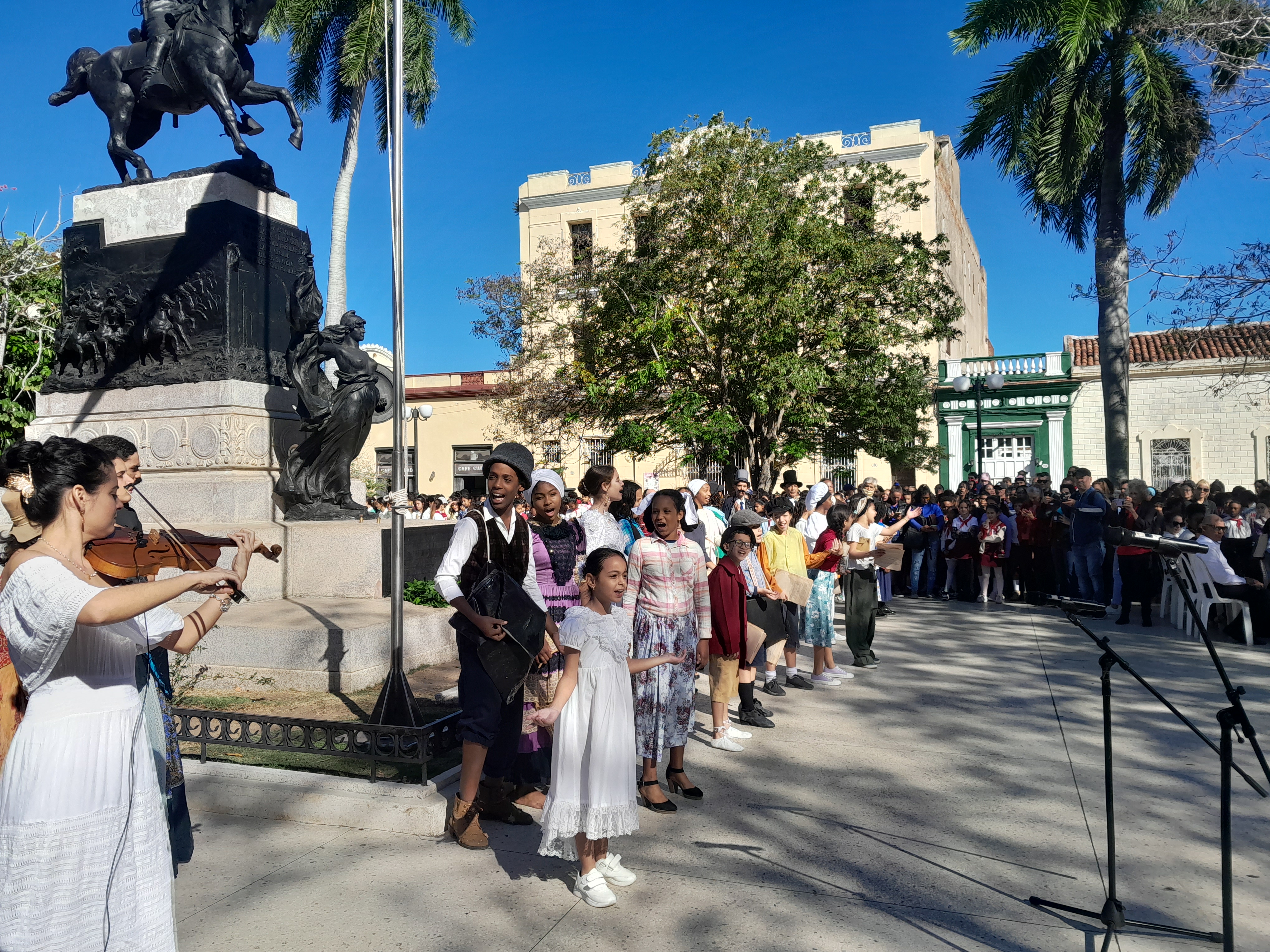
One of the most emotional moments was the reenactment of the unveiling of the monumental sculpture, covered with the Cuban flag and symbolically uncovered by AmaliaSimoni, Agramonte's great love, a performance by the TeatroGuiñol de Camagüey and La Andariega Theatrical Dance Company.
The scene evoked that historical instant when the city paid tribute to the eponymous hero, news that at the time was disseminated by the newspaper El Camagüeyano.
As is tradition, the OHCC also hosted the celebration of a wedding, this time of Yanelis ColumbiéNápoles and Yongel Carlos Capote González, members of the Project "My Hands Can," a social inclusion initiative. The newlyweds had the honor of placing the floral offering at the feet of the figure of Agramonte, in the site that bears his name.
During the ceremony, historian José Fernando Crespo Baró explained that, although the equestrian sculptural ensemble was designed by the Italian artist Salvatore Buemi, he managed to capture the essence of "El Mayor" and capture one of his most daring actions: the rescue of Brigadier Julio Sanguily. Documents from the time indicate that Buemi's proposal was selected among several projects submitted to a competition to immortalize the image of the Camagüey’s hero.
The monument stands out for its allegorical conception: a female figure at the front symbolizes the call of freedom to the people; three superimposed bases in the Greco-Roman style support four bronze pieces, next to the imposing equestrian sculpture of El Mayor, also cast in that metal.
In 2024, the most recent restoration of the ensemble was undertaken, as part of the OHCC's objectives to safeguard heritage and preserve the identity traits of the so-called City of Tinajones(Earthenware Jars) and Churches.
More than an institution, the Office of the Historian stands as a watchman and protector of every historical trace that makes up the urban and spiritual fabric of Camagüey, committed to making the pieces of the past palpable in the present so that the idiosyncrasy and feeling of its people endure, with renewed strength. (Text: Idaylén Rodríguez Rodríguez/Radio Cadena Agramonte) (Photos: author and MiozotisFabelo Pinares)