
Radio Cadena Agramonte emisiora de Camagüey





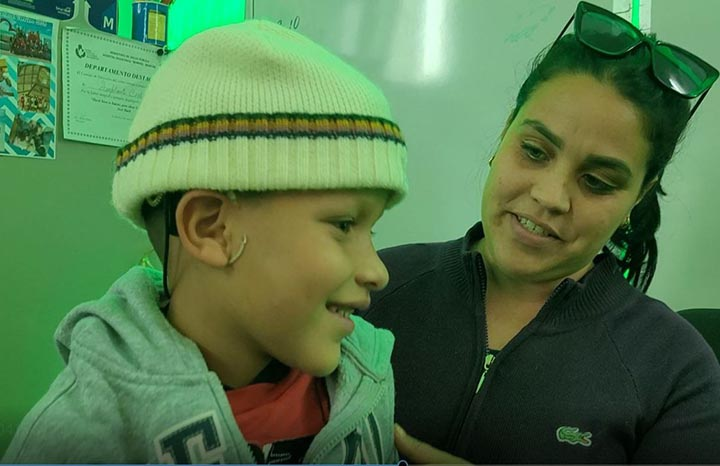
Havana, Feb 26.- The Cuban Cochlear Implant Program, created more than 25 years ago, and on the occasion of its International Day, has restored hearing to hundreds of people with profound hearing disabilities, free of charge and with a multidisciplinary approach, highlighted Armando Rodríguez Batista, Minister of Science, Technology and Environment (CITMA, for its acronym in Spanish) on his Facebook profile.
The initiative, centralized at the Borrás-Marfán Pediatric Hospital in Havana, prioritizes care for children to take advantage of brain plasticity and promote their linguistic rehabilitation and social inclusion.
Dr. Antonio Paz Cordovés, president of the Cuban Society of Otorhinolaryngology, explained that the implanted electronic device replaces the function of the damaged inner ear and converts sound signals into electrical signals so they can be interpreted by the brain.
Unlike conventional hearing aids - he explained - the implant acts directly on the auditory nerve and its cost on the international market is high, but the Cuban State assumes full responsibility for each procedure.
Dr. Sandra Bermejo, head of the Specialized Cochlear Implant and Complex Ear Surgery Service at the same hospital, specified that the program serves patients from all provinces, including those with deafblindness, and is supported by a multidisciplinary and inter-institutional team.
Bermejo highlighted that family support and school integration are essential for therapeutic results.
Health authorities have maintained the supply of devices and spare parts despite the limitations imposed by the economic, commercial and financial blockade of the United States, which hinders the acquisition of technologies.
During the COVID-19 pandemic, the specialist added, the program did not stop its operations.
The universal hearing screening system in all maternity hospitals in the country allows early detection of deficiencies, ideally before three years of age, when the brain shows greater plasticity.
Specialists agree that this strategy is key to optimizing language development in children who undergo the procedure.
The care network includes audiology and rehabilitation consultations in all provinces, which guarantees geographic coverage and continuity of the process.
The program, according to its coordinators, is not limited to surgery, but ranges from preoperative studies and cognitive evaluations to group therapy and family follow-up. (Text and photo: ACN)