
Radio Cadena Agramonte emisiora de Camagüey





Camagüey, March 6. - Tarea Vida, an ambitious Cuban national project aimed at mitigating the effects of climate change, is progressing in an organized and determined manner in the 13 municipalities of Camagüey. With the support of the Ministry of Science, Technology and Environment (CITMA, by its acronym in Spanish), effective strategies have been established to counteract the consequences of climate variability, impacting various areas such as agriculture, social infrastructure, and environmental protection.
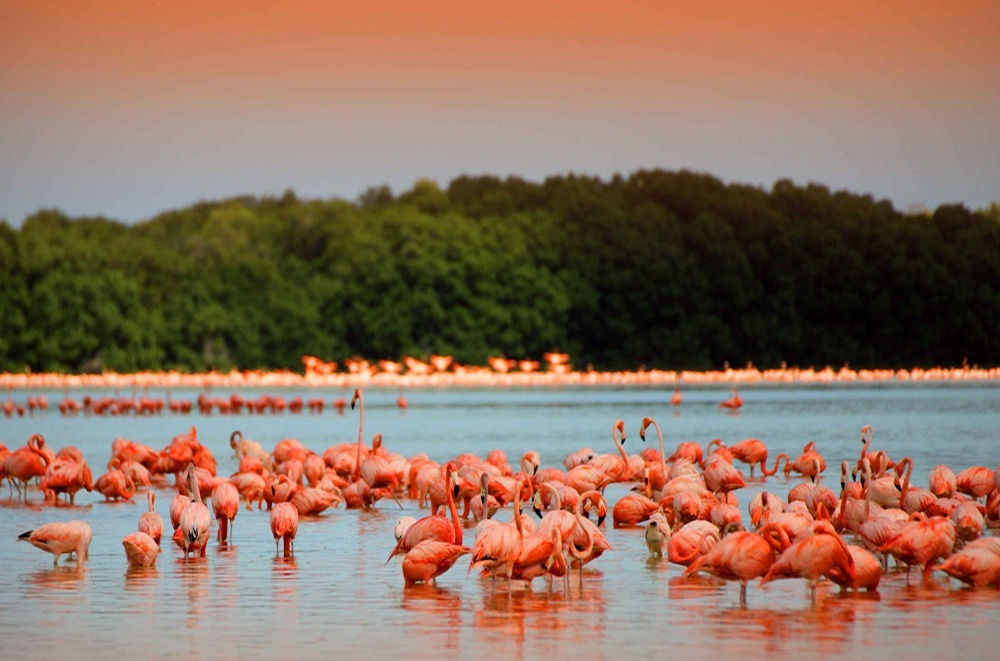
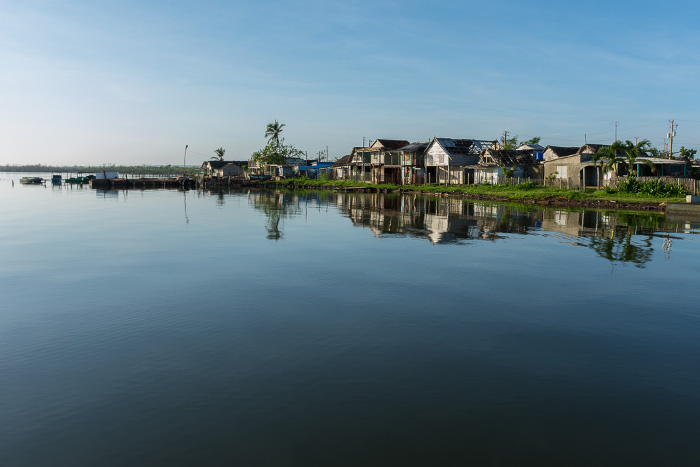
The protection of coastlines in the municipalities of Santa Cruz del Sur, Minas, Sierra de Cubitas, Florida, and Nuevitas is essential to preserve these ecosystems, which serve as refuges for endemic species, and to prevent erosion. These areas require specific actions focused on conservation and sustainable management, in order to ensure their well-being and promote balanced and lasting development.
State institutions, research centers, the Camagüey branches of the Cuban Association of Agricultural and Forestry Technicians (ACTAF, by its acronym in Spanish), the Institute of Soils, Plant Health, and the University of Camagüey Ignacio AgramonteLoynaz work in close collaboration to implement these actions.
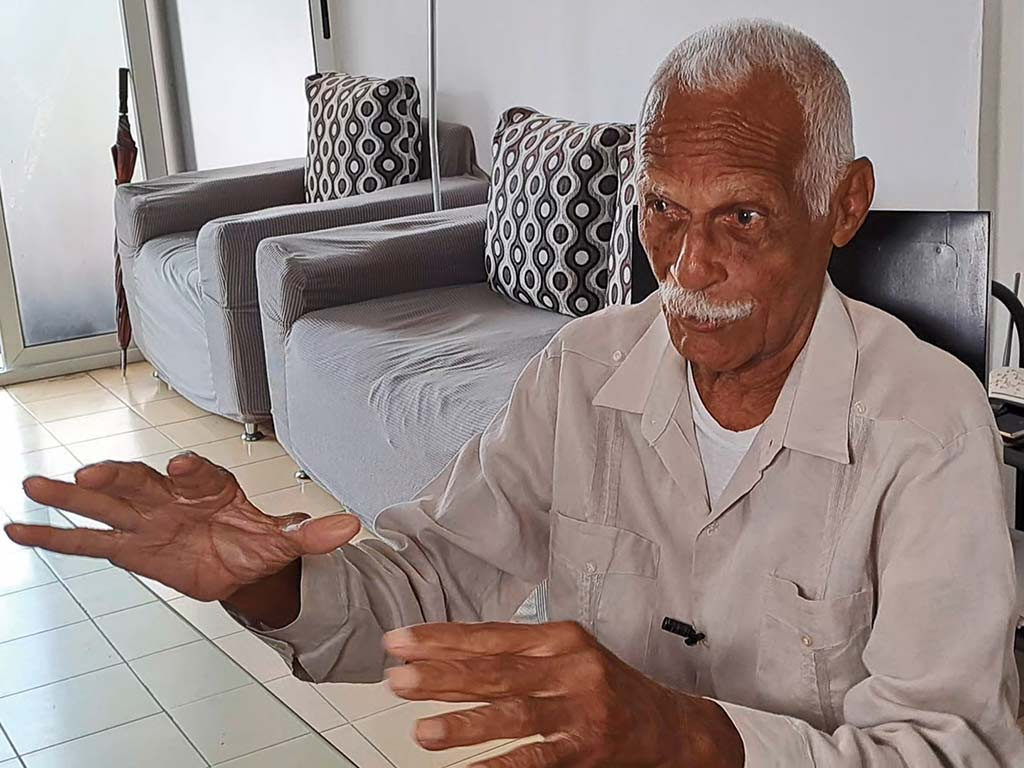
Odalis Marrero Vallina, president of ACTAF in the territory, stated that "the impact of climate change has been felt intensely in Camagüey, where many producers have seen their crops and economic activities devastated. Tarea Vida emerges as a response to this crisis, promoting immediate and sustainable measures that strengthen the region's adaptive capacity. Thanks to collaboration between different sectors, the aim is not only to face climatic adversities but also to transform these challenges into opportunities for local development."
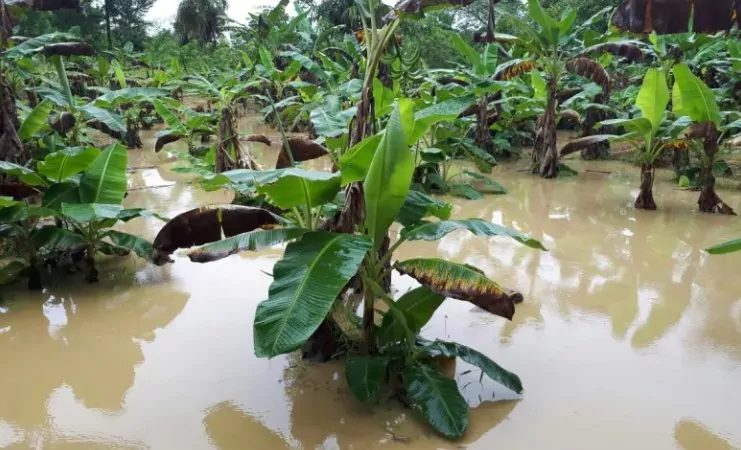
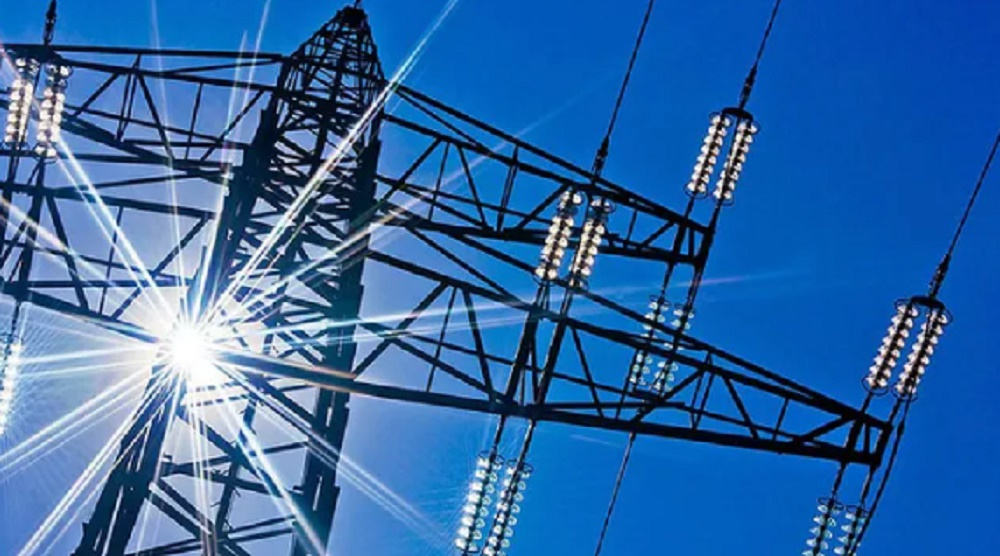
One of the pillars of this project is the improvement of energy efficiency, which includes the installation of solar panels in isolated rural communities. This initiative favors access to renewable energy and empowers communities by reducing their dependence on non-sustainable sources. Additionally, resilience actions have been reinforced in vulnerable neighborhoods and coastal areas, where the threats of flooding and hurricanes are constant.
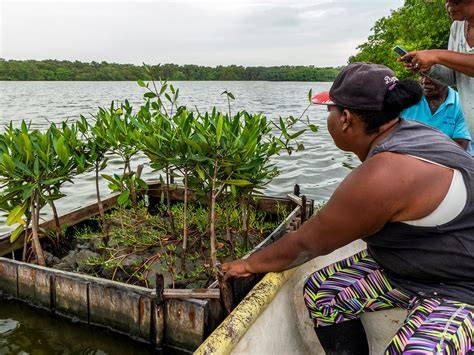
Other relevant measures are reforestation and the creation of windbreaks, aimed at protecting vulnerable areas and restoring damaged ecosystems. Planting mangroves in coastal areas acts as a natural barrier, helping to reduce the impact of extreme weather events and minimize the damage caused by hurricanes. These actions position the Camagüey region as an example of how the union of the community, government, and academia can effectively confront the effects of global warming.
Tarea Vida in Camagüey represents more than an effort to mitigate climate change; it symbolizes an opportunity to strengthen collaboration between government institutions, the academic sector, and civil society. As the region advances in the implementation of these strategies, expectations are high: the goal is not only to guarantee the well-being of present generations but also to preserve the environment for future ones, transforming adversity into a driver of sustainable growth. (Maykel Torres La Rosa/Radio Cadena Agramonte) (Photos: Takenfromthe Internet)