
Radio Cadena Agramonte emisiora de Camagüey





Destacada/News
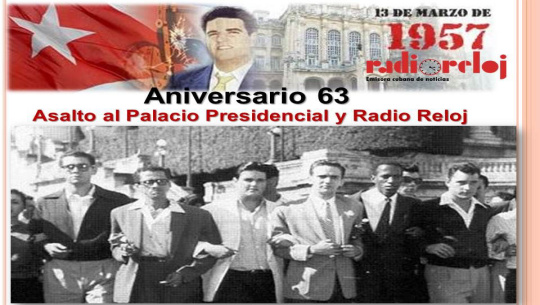
Havana, March 13.- In 1957, precisely on March 13, a group of young people led by José Antonio Echeverría carried out an action recognized today as one of the most audacious acts of resistance against the dictatorship of Fulgencio Batista in Cuba.
Echeverría, president of the Federationof University Students (FEU, by its acronym in Spanish), organized an assault on the Presidential Palace in the capital with the aim of ending Batista's tyranny. He also planned the takeover of the Radio Reloj station to announce the execution, call for a general strike, and urge armed struggle.
The operation failed, and Echeverría, along with other group members, died in the confrontation with the regime's military forces, which were practically expecting an attack of such magnitude. However, it became a symbol of the fight against oppression and injustice, a milestone in Cuban student resistance and the struggle for freedom.
Those deaths did not extinguish the spirit of Cuban identity they embodied; those deaths turned them into a mirror for the youth. As an example of sacrifice and bravery in the fight for a better future for the country, José Antonio's legacy endures, standing out for his determination and firmness in confronting the Batista dictatorship.
Thus, he is remembered every March 13, especially by university students, who each year find in this date a day of inspiration to unite with progressive causes. This 2026, they experience a date that invites reflection on the values of justice and freedom. (PL) (Photo: Taken from the Internet)