
Radio Cadena Agramonte emisiora de Camagüey





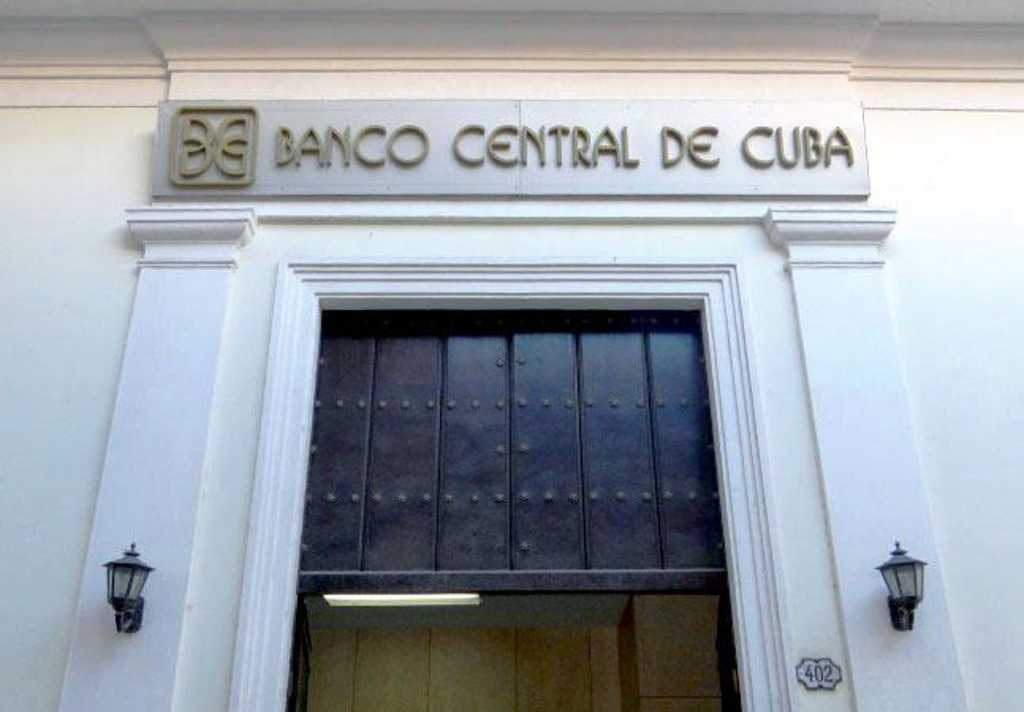
Havana, December 22 - The Central Bank of Cuba (BCC) announced today that the nation is actively participating in the 5th Round of Mutual Evaluations of the Financial Action Task Force of Latin America (GAFILAT, for its acronym in Spanish).
The statement notes that GAFILAT recently published the document "Identification of Effectiveness Priorities at the Regional and National Levels of Member Countries." The regional body stated that it is moving toward its 5th Round of Mutual Evaluations (2025), marking a significant change in the methodology and priorities for combating money laundering (ML), terrorist financing (TF), and proliferation financing (PF).
This new phase aligns with the Universal Procedures of the Financial Action Task Force (FATF), adopted in 2023-2024, and introduces a shorter evaluation cycle (seven years) and a greater emphasis on the practical effectiveness of the measures implemented.
Therefore, the key changes, lessons learned from the 4th Round, and regional priorities for this next evaluation are explored, highlighting how Latin American countries must adapt to more rigorous levels and emerging risks.
Among these risks are virtual assets and opaque legal structures.
Lessons learned from the 4th Round of evaluations revealed persistent weaknesses that translate into limited progress in effectiveness. Sixty-six percent of the countries in the region performed at a Moderate level, while only one percent reached a High level.
The main deficiencies identified relate to a lack of alignment between national policies and the actions of the authorities, inadequate oversight of Designated Non-Financial Businesses and Professions (DNFBPs) and Virtual Asset Service Providers (VASPs).
The main weaknesses identified relate to a lack of alignment between national policies and the actions of authorities, poor oversight of Designated Non-Financial Activities and Professions (DNFBPs) and Virtual Asset Service Providers (VASPs).
They highlight investigations and seizures that are not in line with the identified national risks and the insufficient transparency regarding ultimate beneficiaries and international cooperation. These findings underscore the need to improve the practical implementation of measures, beyond their legal adoption.
The 5th Round, with its greater rigor and focus on effectiveness, introduces structural adjustments to the evaluation in its two main components: Technical Compliance (TC), which assesses the legal and regulatory framework against the 40 FATF Recommendations.
Thus, the agency works on Risk Assessment, National Cooperation and Coordination, Confiscation and Provisional Measures, Non-profit Organizations, Customer Due Diligence, New Technologies, and Transparency, among other topics.
Gafilat makes recommendations to all member countries aimed at strengthening inter-institutional coordination, improving the generation of reliable statistics, and implementing risk-based monitoring.
The risks point to non-financial sectors such as casinos and real estate, and the prioritization of investigations and seizures linked to national threats (such as organized crime).
The Financial Action Task Force of Latin America (Gafilat) is a regional intergovernmental organization comprising 18 countries from South America, Central America, and North America.
It was created on December 8, 2000, to prevent and combat money laundering, terrorist financing, and the proliferation of weapons of mass destruction, through a commitment to the continuous improvement of national policies against these scourges.
Gafilat is one of the regional groups of the Financial Action Task Force (FATF). The Gafilat Executive Secretariat is headquartered in Buenos Aires, Argentina.
This group is comprised of Argentina, Bolivia, Brazil, Chile, Colombia, Costa Rica, Cuba, Ecuador, El Salvador, Guatemala, Honduras, Mexico, Nicaragua, Panama, Paraguay, Peru, the Dominican Republic, and Uruguay.
The entity obtained the category of associate member of the FATF and therefore participates in the preparation, review and modification, while adhering to the 40 Recommendations issued by this same body. (Text and photo: PL)