
Radio Cadena Agramonte emisiora de Camagüey





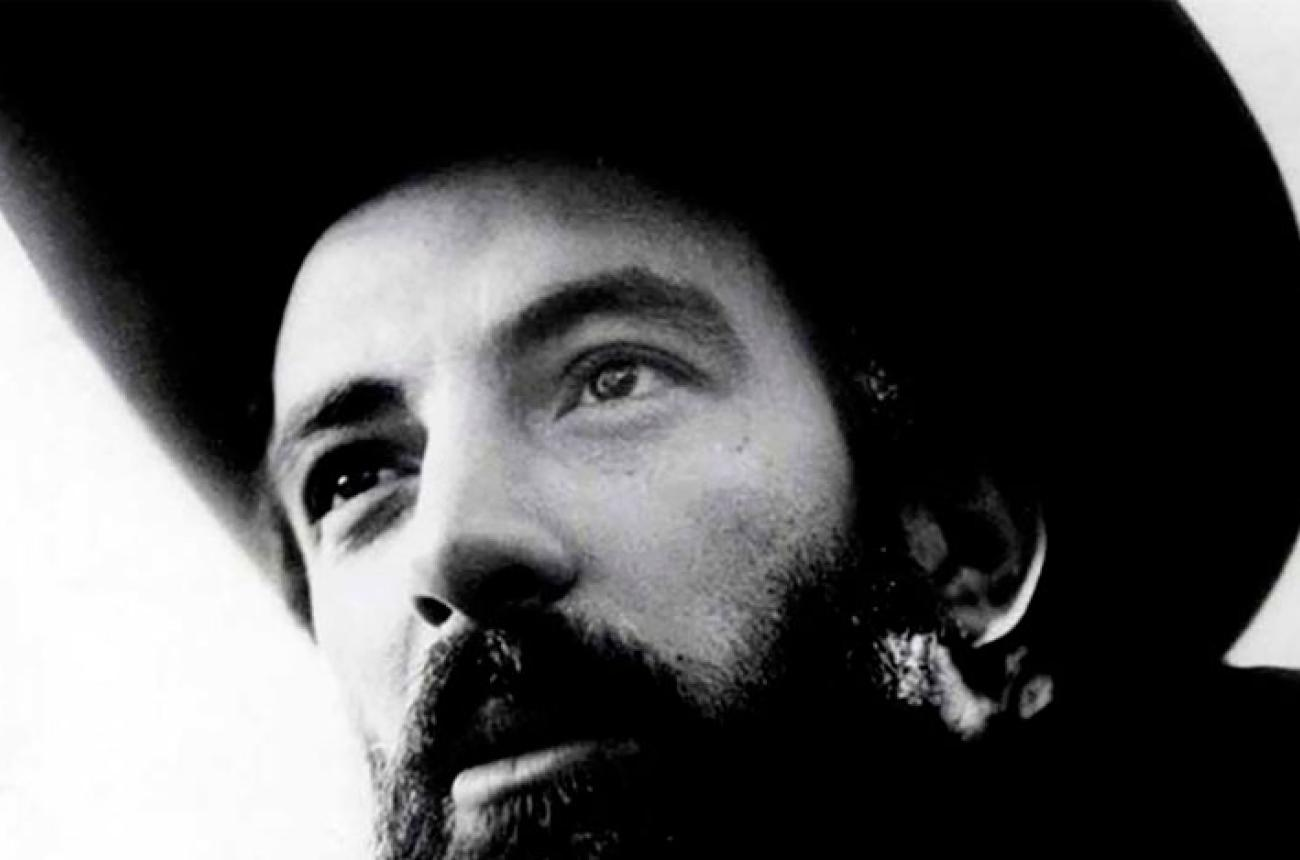
Havana, Feb 6.- The 94th anniversary of Commander Camilo Cienfuegos (Havana, February 6, 1932) arrives in 2026, a time when evoking him once again encourages his compatriots through the mechanisms of a closeness that neither death nor time has managed to dim.
Especially at a time when his stature as a warrior shines and the example of the Lord of the Vanguard inspires the revolutionary convictions of so many young people today. At 94, the Hero of Yaguajay accompanies, simple and reborn, the countrymen who today defend sovereignty, condemn the blockade, and work for the country's development.
But everyone knows that the smiling young man with the wide-brimmed hat was more than just a first soldier of the Rebel Army. From childhood and adolescence, he showed his attachment to the most genuine roots of his people's idiosyncrasy, and his loving and patriotic heart was also a wellspring of Cuban identity.
Therein lies one of the keys to his constant presence among his fellow countrymen.
One example among thousands bears witness: Who does not remember him dressed as a baseball player, when he participated in a pleasant game of baseball alongside his combatant comrades, including the leader of the Revolution himself? And that joke with which he announced he belonged to the same team as the Commander in Chief, because he would never go against him, not even in the national pastime.
His close companions from that time kept multiple anecdotes that recalled him as a fun-loving and mischievous person like a child, even though he behaved like a lion in the combat of the troops he commanded in the Rebel Army against the soldiers of the tyranny.
Some have recalled that Che, of a much more serious temperament, only tolerated and allowed the jokes that Camilo played on him whenever he could, between combats or military operations.
Like that one of taking part of the small rations of condensed milk that the Argentine consumed more slowly, as obtaining a small can of the product was a real luxury, intended to stave off hunger and recover energy.
Another trait of his personality was his solidarity, which he practiced since childhood in defense of his shyer little friends who suffered abuse at the hands of bullies. His chivalrous conduct with girls is also remembered.
They may seem like trifles, but... What compatriot does not like to remember Camilo Cienfuegos not only as the outstanding strategist he was alongside Che in the rebel offensive from East to West?
Many also love to feel him as plain, as creole, and as good-hearted as oneself.
It is true that his trajectory and guerrilla performance were decisive. It was a very influential stage, as he grew much more starting in the second half of 1958 and gave a notable impetus to the achievement of the revolutionary triumph on January 1, 1959.
Who knows if Camilo's perennial joy was the driving force of his leadership.
Another quality of the creole or Cuban personality was his passion and drive in the actions of his life. From adolescence, he participated in protests against the high cost of living and other outrages of the Batista tyranny. He later traveled to the United States and was deported from that country. He returns to Havana and joins the student revolutionary movement.
After being flagged by the dictator's repressive organs, he chooses exile again.
His tenacity, another trait of the national spirit, was put to the test again and emerged successful when he decides to travel to Mexico to try to meet there with the young lawyer Fidel Castro. He had received confidential news that the latter was preparing an expedition to Cuba, for libertarian purposes. And of course, he wanted to participate.
A digression: Camilo Cienfuegos, a humble patriot, had someone to take after. He was the son of two poor Spanish immigrants, settled in the Lawton neighborhood of the capital, who, despite not being born in this land, instilled in their children decency, patriotism, and many traits of their own honesty, and furthermore, inclined the little one towards the love of José Martí, a hero they admired.
Another quality of the creole or Cuban personality was his passion and drive in the actions of his life. From adolescence, he participated in protests against the high cost of living and other outrages of the Batista tyranny. He later traveled to the United States and was deported from that country. He returns to Havana and joins the student revolutionary movement.
After being flagged by the dictator's repressive organs, he chooses exile again.
His tenacity, another trait of the national spirit, was put to the test again and emerged successful when he decides to travel to Mexico to try to meet there with the young lawyer Fidel Castro. He had received confidential news that the latter was preparing an expedition to Cuba, for libertarian purposes. And of course, he wanted to participate.
A digression: Camilo Cienfuegos, a humble patriot, had someone to take after. He was the son of two poor Spanish immigrants, settled in the Lawton neighborhood of the capital, who, despite not being born in this land, instilled in their children decency, patriotism, and many traits of their own honesty, and furthermore, inclined the little one towards the love of José Martí, a hero they admired.
Upon managing to be accepted among the expedition members, he left the sister nation on the yacht Granma on November 25, 1956, from the port of Tuxpan with 82 future combatants ready to win or die for the independence of the homeland.
The perilous landing occurred on December 2 in the Las Coloradas area. Along with the harsh baptism of fire at Alegría de Pío, these events led him to make the decision to be faithful to the cause until the end.
He obtained the rank of Commander of the Rebel Army in April 1958. He excelled in organizational, offensive, and strategic tactics. Later, as chief of Column Two Antonio Maceo, he carried out successful missions in the plains of Cauto, outside the territory of the Sierra Maestra mountain range.
At the time of deploying the final offensive, on August 18, 1958, the Commander in Chief orders the execution of the invasion from East to West, as the mambí forces did in the last war of independence.
Camilo fought at the head of his Column Two Antonio Maceo, while Che Guevara led Column Eight Ciro Redondo.
From October to December 1958, he directed combat in remote and then-unknown areas such as Seibabo, Venegas, Zulueta —twice— General Carrillo, Jarahueca, Iguará, Meneses, Mayajigua, and Yaguajay.
The siege of Yaguajay culminated after nine days of intense fire with the rebel triumph. A victory that coincided with the taking of the city of Santa Clara by Che's troops and with the flight of the tyrant on December 31 of that year.
Sensing his end, the dictator fled, but not without first attempting new tricks aimed at aborting the triumph of the Revolution. Camilo received the order to march quickly towards Havana. There, he took the enemy army's General Staff, the Columbia Barracks.
Nothing stopped the Caravan of Freedom, which began in Santiago de Cuba and arrived in the capital on January 8, led by Fidel. The Hero of Yaguajay was one of those waiting for him, as were Che and Almeida.
During his speech that night, the leader of the Revolution demonstrated the trust placed in the young Commander with beautiful and simple words, forever engraved in the minds of Cubans: "Am I doing well, Camilo?" Fidel asked.
Camilo died tragically on October 28, 1959, a few months after the triumph, when returning in a small plane after fulfilling an important mission that aborted an act of sedition in Camagüey.
The physical departure of that great Cuban, in the flower of life, meant a hard blow that still hurts. However, seeing so many Camilitos in present-day Cuba revives him forever. (ACN) (Photo: Taken from the Internet)