
Radio Cadena Agramonte emisiora de Camagüey





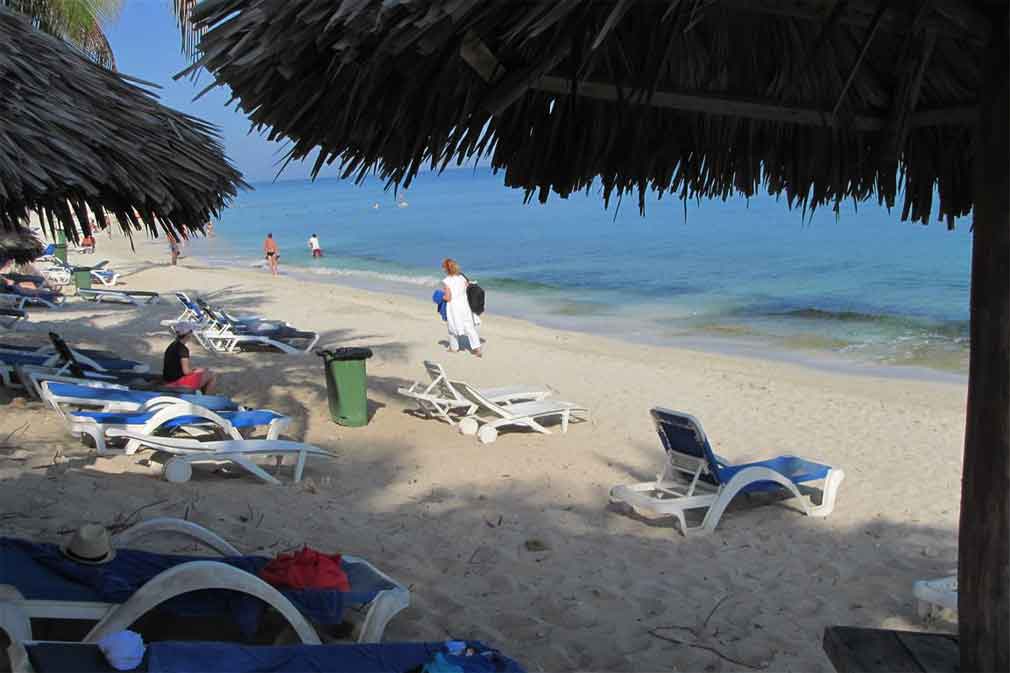
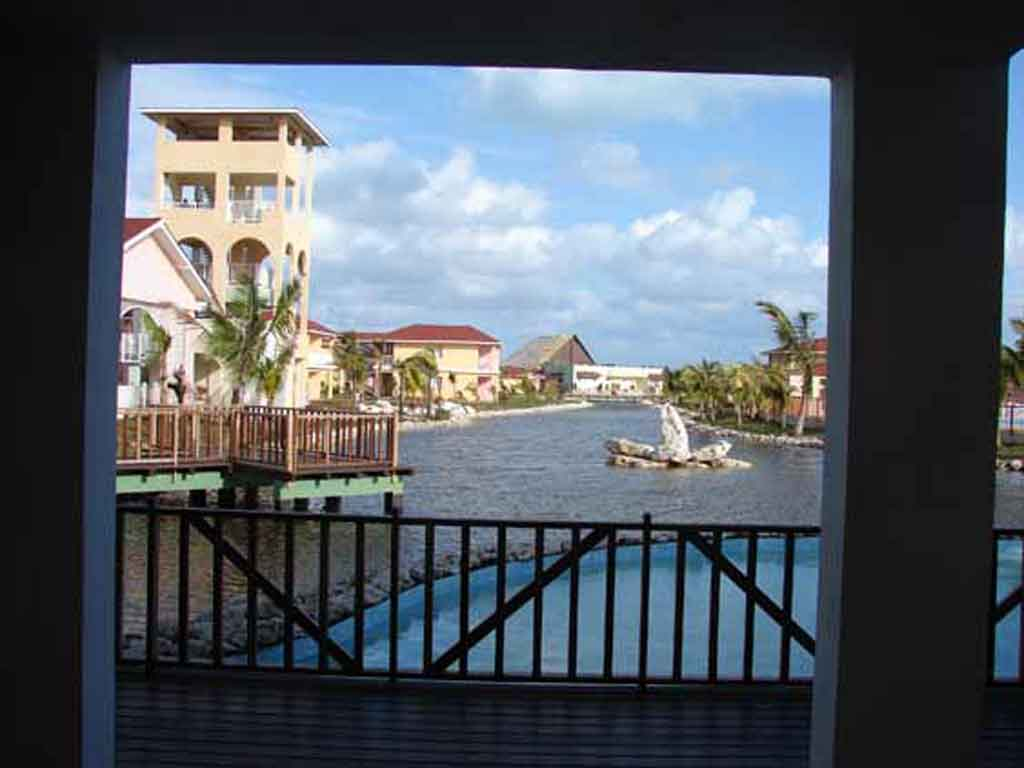
Havana, Feb 21 - The Cuban resort of Varadero has once again been recognized as one of the best beaches in the Caribbean for 2026, according to a survey by the travel site TripAdvisor.
This website regularly conducts a poll on the most significant beaches, and this time it included Varadero, the country's most important beach, located in the western province of Matanzas, about 140 kilometers east of Havana, the island's capital.
Additionally, the resort will host the 44th International Tourism Fair (FITCuba 2026, by its acronym in Spanish), scheduled to take place at the Plaza América exhibition center in May.
The message highlights that whether you want to relax on soft sand or dive into new adventures, this year's winning beaches promise a dream getaway.
The title "The Best of the Best of Travellers’ Choice" awards the highest level of excellence in travel.
This accolade is granted to those who receive a significant number of excellent reviews and comments from the TripAdvisor community over a 12-month period. Out of eight million profiles, less than one percent achieve this recognition.
Varadero ranks third on this list, consistently appearing among the top mentions on TripAdvisor and other travel websites.
The list features 15 Caribbean beaches in the following order: Eagle Beach (Aruba), Tobacco Bay Beach (Bermuda), Varadero (Cuba), Cas Abao Beach (Curaçao), Bavaro Beach (Dominican Republic), Palm Beach (Aruba), Carlisle Bay (Barbados), and Seven Mile Beach (Cayman Islands).
The list continues with The Baths National Park (British Virgin Islands), Porto Marie Beach (Curaçao), Orient Bay Beach (St. Maarten), Grote Knip, Sabana Westpunt (Curaçao), Mambo Beach (Curaçao), Cane Garden Bay (British Virgin Islands), and Mullet Bay (St. Maarten).
Varadero is not only a beach destination but also an interesting site; its coat of arms says it all: concentric circles symbolizing indigenous evidence, a Spanish fort as a reminder of colonization, and lines representing the 10 families from Cárdenas, the founders of the village.
Officially founded on December 5, 1887, through a communal fusion called Los Decembrinos, several wooden houses with Spanish tiles were built there. The site became known particularly due to the boom of rowing regattas, shells, sea snails, and seahorses.
The geological formation of the area dates back to the Quaternary era, and the name of the peninsula, Hicacos, where the beach is located, refers to a green tree with spiny leaves, a typical cactus that once covered this stretch of land, which is 22 kilometers long (its widest part is 700 meters).
The name Varadero comes from being a sandy coast with shallow waters where ships would run aground due to the tide. The Spanish navigator Sebastián de Ocampo discovered it in 1508 during his voyage around the island, and the first mention appears in 1540 on a map by Alonso de Santa Cruz.
Varadero boasts 15 archaeological sites, including caves and caverns that served as refuges; the most visited vestige today is the Ambrosio Cave on the southern coast of the peninsula, which experts say contains the largest pictograph in the Caribbean (the cave has five galleries and is 250 meters long).
It is recognized as the most prominent resort in Cuban tourism and attracts travelers from all over the world each year, appealing not only to those seeking sun and sand but also to those interested in recreational nautical activities. (Source: Prensa Latina)