
Radio Cadena Agramonte emisiora de Camagüey





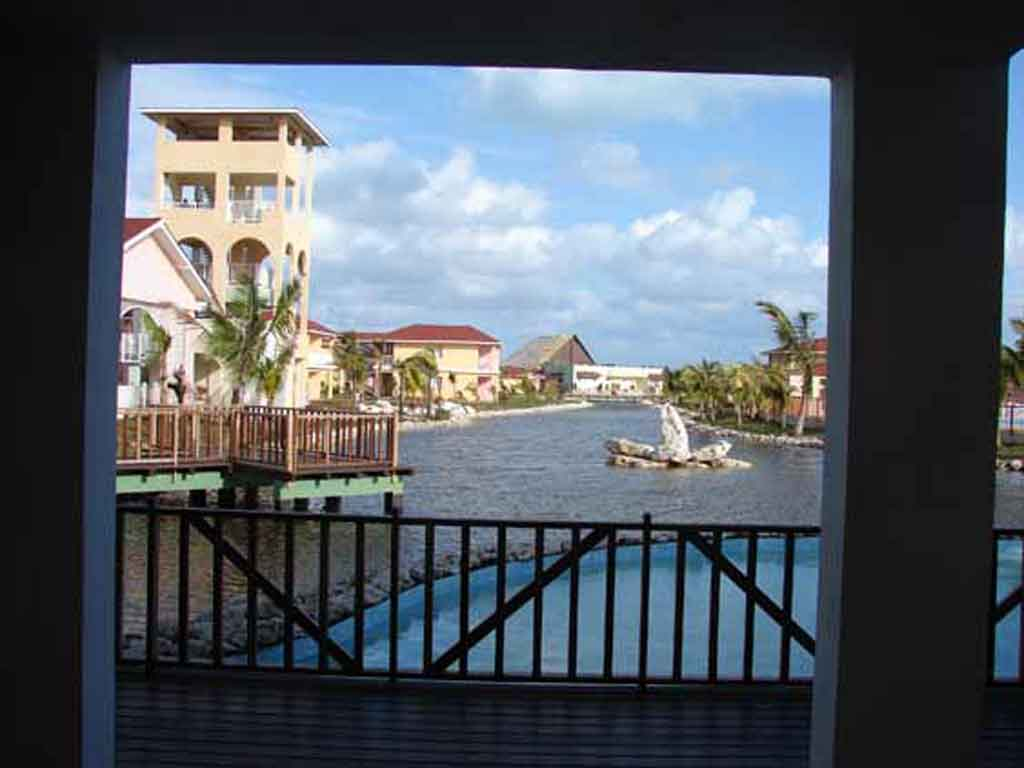
Havana, Feb 23 - Jardines del Rey in Cuba today constitutes a very popular setting for nature lovers, especially with its emblematic Cayo Coco for recreational boating.
The central-northern insular region encompasses an area of keys with great tourist development based on the charms of nature, a special setting well known throughout the world.
It was at one time the country's fourth region for recreational development due to its hotel capacity (behind Havana, Varadero, and Holguín).
This name, Jardines del Rey, groups together several keys with tourist potential in the Sabana-Camagüey archipelago, and this naming is due to the Spanish explorer Diego Velázquez, who from 1513 to 1514 wanted to honor King Ferdinand the Catholic in this way.
Therefore, this name was the official designation of those parts until the early 20th century. An abandoned place, only frequented at the time by charcoal burners and fishermen with temporary settlements, it became an ideal space for a perfect vacation.
It was also a site immortalized by the American writer Ernest Hemingway in the book Islands in the Stream, where this author even pursued German submarines during the Second World War.
Cayo Coco is the fourth largest island in the Cuban archipelago and the main axis of the area, its name derived from the Coco bird or Wood Ibis, white with a curved beak.
But there are also the keys Guillermo, Cruz, and Paredón Grande, included in tourist development plans with a potential of up to 22 thousand rooms.
Cayo Coco has 370 square kilometers and 22 kilometers of beach, while Cayo Guillermo has 13 square kilometers and almost six kilometers of beaches, among these Pilar, with the largest sand dune in the Caribbean (15 meters high) according to official reports.
Paredón Grande, the other key in the area, has eight kilometers of beaches, and the fourth in importance is Antón Chico. These places are distinguished by more than 200 species of birds, the Pink Flamingo being symbolic, and flora with around 385 species, including 28 endemic ones.
The beaches constitute the main attraction there with a total of 38 kilometers in length, and despite being narrow, their waters are crystalline and the seabeds shallow.
The tourist exploitation of this destination appears indicated in the documents of the Ministry of Tourism (Mintur) since November 1993, when a growing spiral of its development is observed.
The charms of the keys are favored by the possibility of reaching the place mainly through a modern airport inaugurated in September 2002 with a three-thousand-meter runway, capable of receiving all types of aircraft and a terminal for 600 passengers per hour. Another access route is via a land connection named Pedraplén in Cuba, 17 kilometers long.
The keys have recreational places such as Sitio La Güira, Cueva del Jabalí, CayoMortero, La Silla, Club del aire, a tourist train in Cayo Coco and Guillermo, and motorcycles, among many other charms of a space that truly stands out for its Sun and Beach appeal, diving, walks, and fishing. (Text and photos: PL)