
Radio Cadena Agramonte emisiora de Camagüey





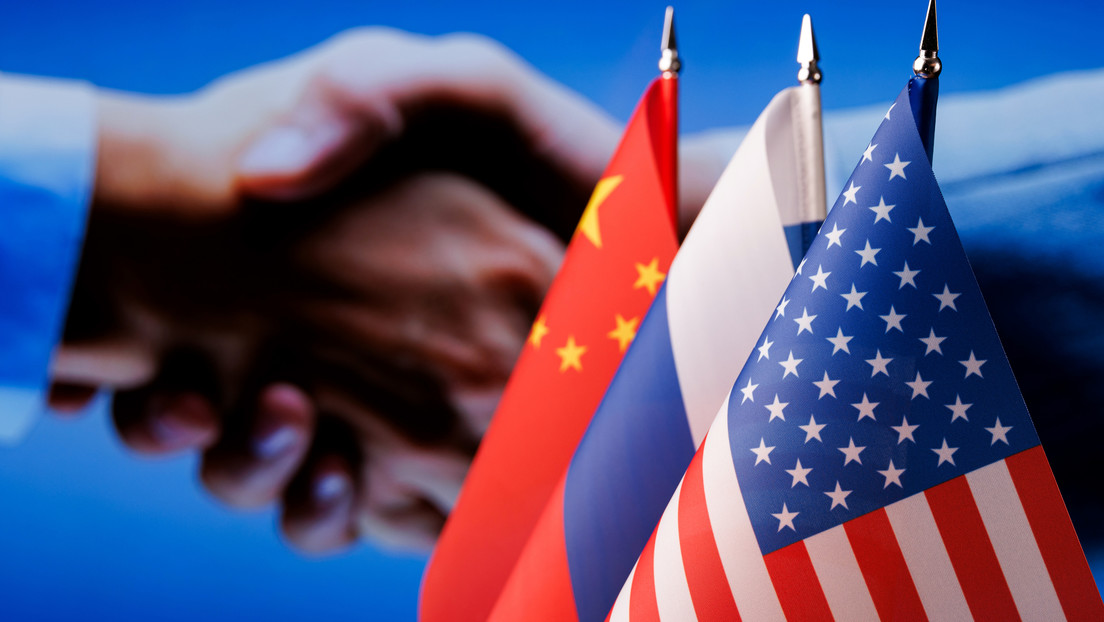
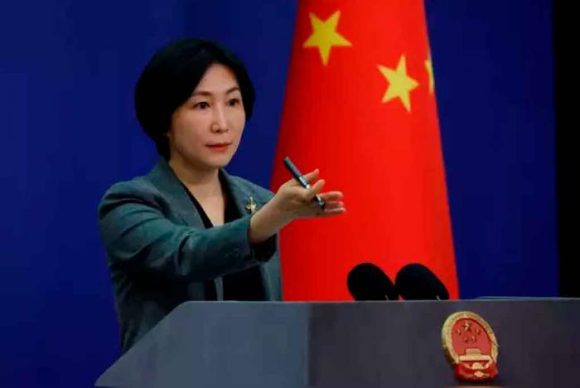
Moscow, Feb 6.- U.S. Undersecretary of State Thomas DiNanno declared this Friday that Washington wants to replace the recently expired Strategic Arms Reduction Treaty, also known as START III or New START, with a new one that includes not only Russia but also China.
"The President has been quite clear that he wants a better deal," said DiNanno during his appearance before the press in Geneva, Switzerland, where he is attending the Conference on Disarmament.
Labeling the agreement, which expired this Thursday, as flawed, the senior U.S. official indicated that New START did not include theater-range nuclear missiles, which affect the theater of operations, and also did not include China.
So-called non-strategic missiles have long been a point of contention between Russia and the U.S. Already in its 2024 report to Congress, the State Department pointed out that tactical-range nuclear weapons have strategic implications because any use of nuclear weapons by an adversary, regardless of their location or yield, would fundamentally alter the nature of a conflict and create the possibility of uncontrolled escalation.
"The United States has repeatedly conveyed these sentiments to the Russian Federation," the report stated.
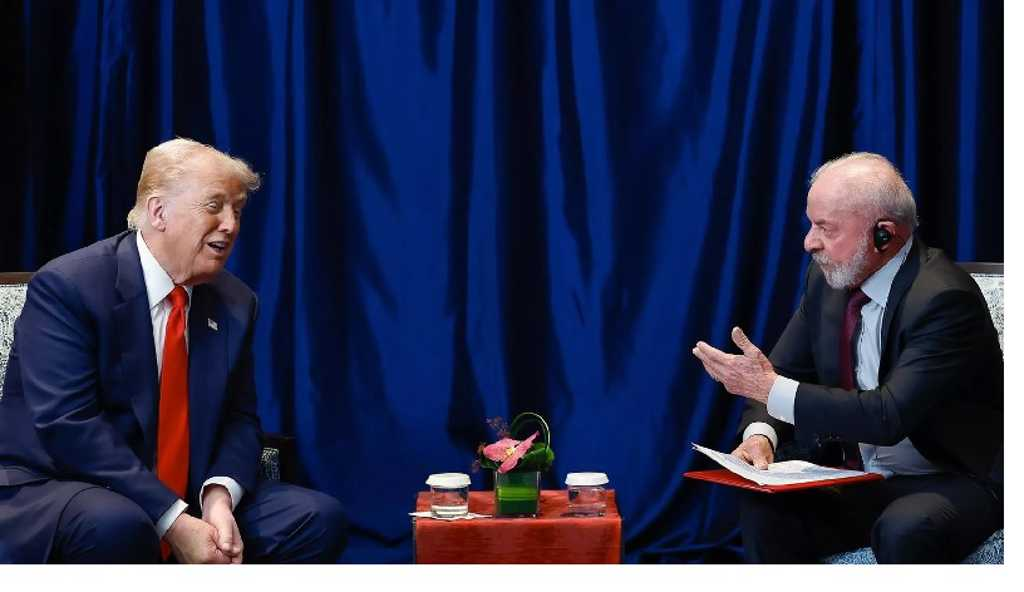
Donald Trump proposed on Thursday working on a new strategic arms agreement with Russia. "Instead of extending New START (a poorly negotiated agreement by the U.S. that, on top of everything, is being severely violated), our nuclear experts should work on a new, improved, and modernized treaty that can endure into the future," the leader posted on Truth Social.
Russian presidential spokesman Dmitry Peskov stated that "there is an understanding, and this was discussed in Abu Dhabi, that both sides will assume responsible positions and both sides recognize the need to begin negotiations on this issue as soon as possible."
Moscow suspended its participation in New START in February 2023, because Washington destroyed the legal basis in the field of arms control and security by activating NATO's military infrastructure against Russia.
In September of last year, Vladimir Putin proposed continuing to adhere to the restrictions stipulated in the pact for one more year after its expiration, but the initiative received no response from Washington.
One of the main obstacles to extending the agreement has been the U.S. intention to include China, arguing that its nuclear arsenal is increasing rapidly. However, the Chinese arsenal is far inferior to the Russian and American ones, representing between 11% and 12% of their volume. (Text and photo: RT)