
Radio Cadena Agramonte emisiora de Camagüey





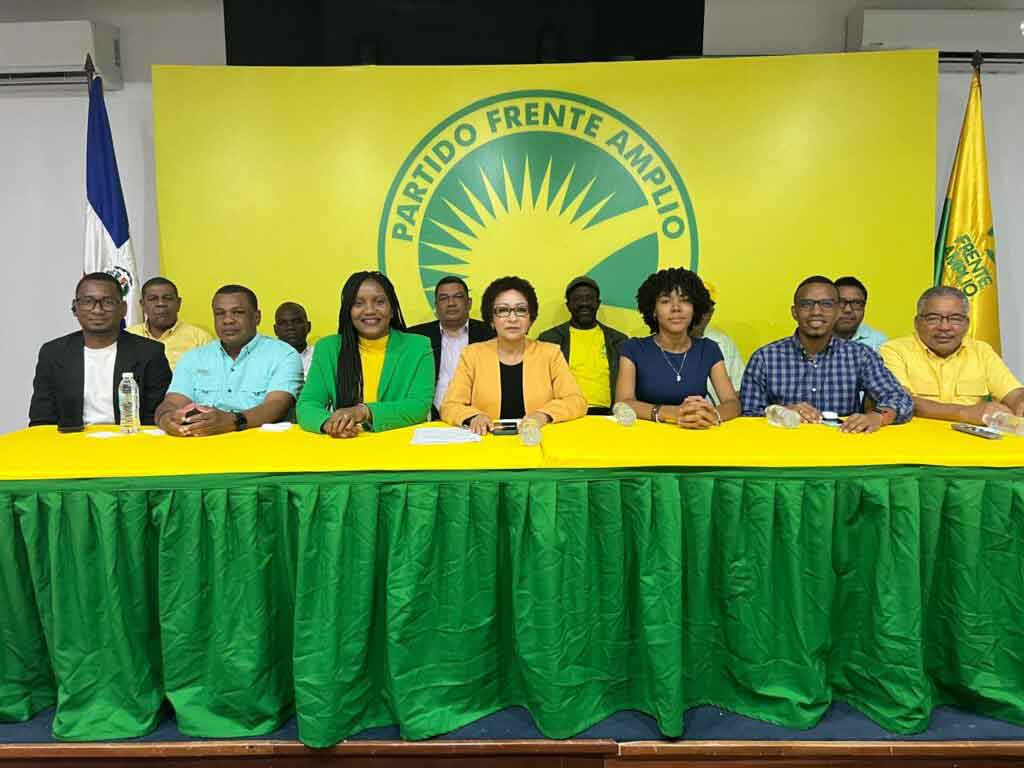
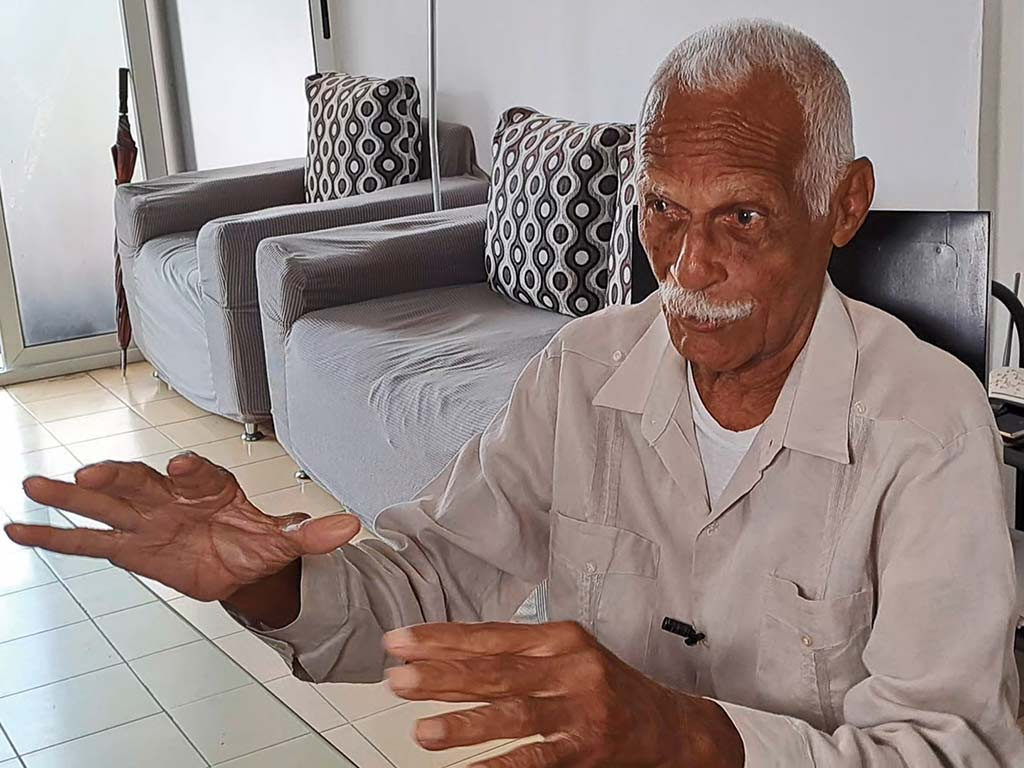
Santo Domingo, Mar 9. - The Secretary General of the Broad Front (FA, by its acronym in Spanish) of the Dominican Republic, María Teresa Cabrera, today described as regrettable and reprehensible the fact that Latin American governments, under pressure from the United States, are hindering the continuity of health missions staffed by Cuban doctors.
Cabrera told Prensa Latina that only the most impoverished populations, who for years lived without access to basic medical care services, can fully appreciate the impact this collaboration has had.
In her opinion, the island's brigades have represented for many marginalized communities the possibility of receiving comprehensive and close care, based on a profound social sense of medicine.
The FA leader stated that one only needs to observe the experience in those communities to understand the importance of the presence of Cuban professionals.
In that context, she considered that the smear campaigns against the historic medical collaboration of that Caribbean nation seek to delegitimize a cooperation model that has benefited millions of people in Latin America and other regions.
Cabrera also criticized what she described as a servile attitude of some governments in the region in limiting or preventing the continuity of these missions, depriving their own populations of essential health services.
Likewise, she warned that in many Latin American countries, health systems have been increasingly influenced by neoliberal policies that promote the privatization and commodification of clinical care, which makes access more difficult for lower-income sectors.
Finally, she affirmed that the populations of the region have a duty to raise their voices and demand that authorities defend the right to health and prioritize the well-being of their people.
In the face of campaigns that distort the solidarity work of Cuban doctors, the history of their international cooperation offers concrete data that reflects their impact on global health welfare.
Cuba's international hospital aid began on May 23, 1963, when the island sent its first brigade to Algeria to support the health system of that newly independent country.
Since then, more than 600,000 professionals from this sector have provided services in 165 countries, bringing assistance to poor communities, rural areas, and regions affected by natural disasters or epidemics.
One of the subsequent milestones was the creation of the Comprehensive Health Program in 1998, following the passage of Hurricanes Mitch and Georges through Central America.
Based on primary care, this model expanded the presence of Cuban doctors in vulnerable communities and gave rise to initiatives such as Barrio Adentro in Venezuela and Operation Miracle, aimed at restoring sight to millions of people through ophthalmological surgeries.
In 2005, the Henry Reeve International Contingent was created, specializing in disasters and epidemics. Its brigades have participated in multiple international emergencies, including the fight against Ebola in West Africa in 2014, where Cuba sent health personnel to care for the most affected countries.
Decades later, these brigades also played a relevant role during the Covid-19 pandemic, with nearly 60 brigades deployed in dozens of countries to support health systems during critical moments.
These results, recognized by numerous governments and international organizations, demonstrate the reach of work that has marked the history of global health solidarity.
In recent days, the government of President NasryAsfura terminated the medical cooperation agreement with Cuba, a decision that ended the stay in Honduras of more than a hundred doctors who had provided services over the past two years.
The presence of these professionals was in response to an agreement signed by the previous administration of President Xiomara Castro, with the aim of strengthening medical care in vulnerable communities.
Similarly, at the beginning of this year, the government of Guatemala announced the gradual departure of doctors who had worked for nearly three decades in rural communities and remote areas of the country, following their arrival after the impact of Hurricane Mitch in 1998.
Likewise, on March 4, the Jamaican Foreign Ministry informed the Cuban embassy of the unilateral decision to terminate the health cooperation agreement that had linked both countries for decades.
With this measure, the Jamaican government joined the decisions adopted in other countries of the region, amidst pressure from the United States government against the island's medical collaboration. (PL) (Photo: Taken from Internet)